How To Day Trade On Charles Schwab

Okay, so you wanna day trade on Charles Schwab? Cool! Think of it like this: Imagine trying to bake a soufflé... except the oven is the stock market, the ingredients are stocks, and if you mess up, instead of a flat, sad pancake, you lose, well, money. But hey, with a little knowledge (and a lot of practice!), you can totally nail this recipe.
First Things First: Are You Ready to Rumble?
Before you dive in headfirst, let's be real. Day trading isn’t a walk in the park. It’s more like a hike up a very steep hill, with questionable weather and a grumpy mountain goat occasionally blocking your path. You'll need capital (money to trade with), knowledge (of how the market works), and, most importantly, emotional control. That last one? That's the grumpy goat. Don’t let it get to you!
Schwab requires you to have at least $25,000 in your account to be officially designated as a "pattern day trader." Why? Because they want to make sure you're not playing with your grocery money. Think of it as a cover charge to the exclusive, slightly terrifying, day trading club.
Must Read
Getting Your Schwab Account Day Trading Ready
Alright, so you’ve got the cash and the cool demeanor (or at least you're faking it well). Now, let's get your Schwab account prepped. First, you need a regular brokerage account. Pretty straightforward, right? It's like opening a bank account, but instead of storing cash, you're storing stocks and other investments. When you get your Schwab account setup, it's important to familiarize yourself with the Schwab platform. Take some time to click around, explore the menus, and get comfortable with how everything works. Schwab has good educational materials, too, so take advantage of them!
Tools of the Trade (and Where to Find Them)
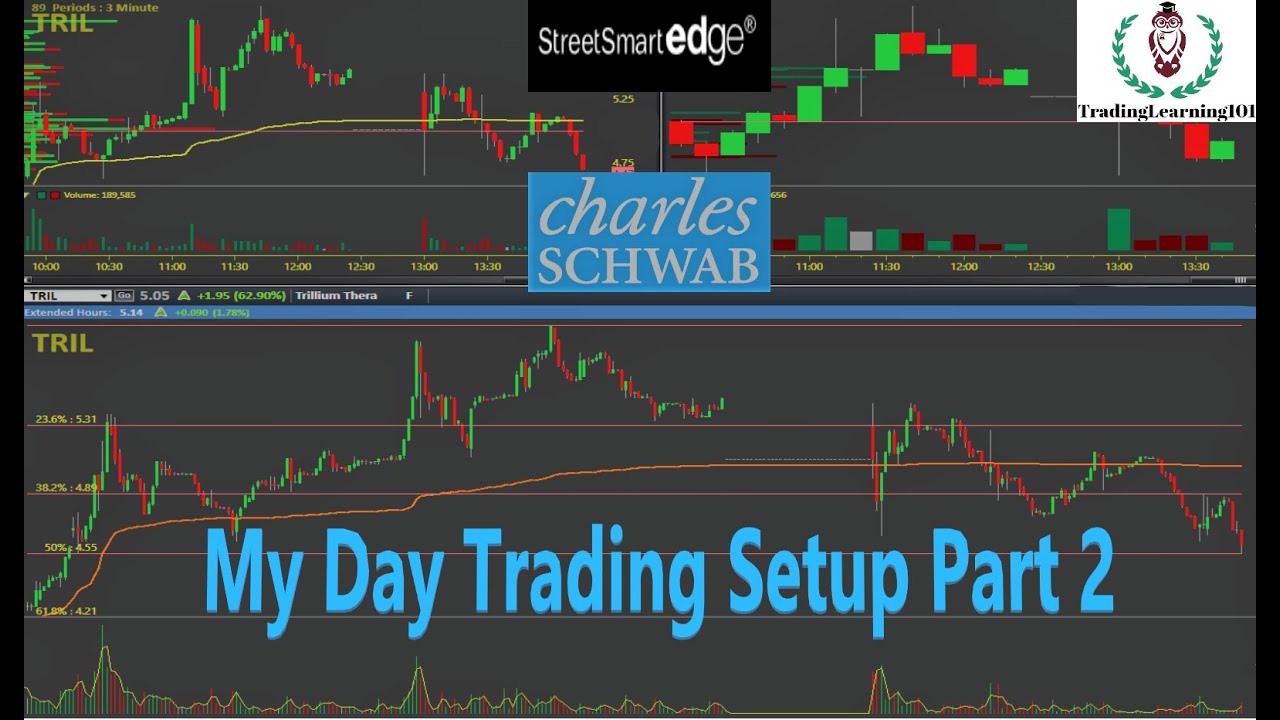
Schwab offers a few different platforms for trading. There's the standard website and mobile app, but for serious day trading, you'll probably want to check out StreetSmart Edge®. It’s their advanced trading platform, loaded with charts, technical indicators, and order entry tools. Think of it as the souped-up blender you need to make that perfect soufflé. It will also show your real time quotes so you can have the most up to date information.

Technical indicators are like little clues that might (or might not) predict where a stock's price is headed. Some popular ones include the Moving Average Convergence Divergence (MACD), Relative Strength Index (RSI), and Bollinger Bands. Don’t worry, you don’t need to memorize all that right now! Just know they exist and can be helpful... or confusing. It’s all part of the fun.
Order Types: Making Your Move
Knowing your order types is crucial. A market order is like yelling, "I want this stock, and I want it now!" You'll get filled at the current market price, which might be slightly different from what you saw a second ago. A limit order lets you specify the price you're willing to pay, but there's no guarantee your order will be filled. It's like saying, "I'll only buy this soufflé if it's under $10."

Stop-loss orders are your safety net. They automatically sell your stock if it drops to a certain price, preventing you from losing your shirt (or your entire soufflé). Think of it as setting a timer on your oven – if things get too hot, it shuts off automatically.
Practice Makes (Almost) Perfect
Nobody becomes a successful day trader overnight. Start with a paper trading account. This allows you to simulate trades with fake money, so you can practice your strategies without risking real losses. It’s like practicing your soufflé recipe with play dough before you break out the eggs and flour. This will help get you acclimated to the fast moving environment of the stock market.
Risk Management: Don't Blow Up Your Account!
This is the most important part! Never risk more than you can afford to lose. Set stop-loss orders religiously. Don't get emotionally attached to your stocks. Remember, it's just a game (a game with real money, but still a game). If you wouldn’t bet it on a bad hand of poker, don’t bet it on a questionable stock.
Day trading on Schwab, or anywhere else, is a challenging but potentially rewarding endeavor. Remember to start small, educate yourself constantly, and most importantly, manage your risk. Good luck, and may your soufflés always rise!