Hey there, power pal! Ever been plunged into darkness like you’re starring in your own low-budget horror flick? Yeah, me too. One minute you're binging your favorite show, the next you're fumbling for a flashlight and wondering if that suspicious creak was just the house settling or the zombie apocalypse knocking. That's where a trusty power generator swoops in like a superhero with extra watts!
Connecting a generator to your house might sound like something only a certified electrical wizard could do, but fear not! While some methods absolutely require a pro (and we'll chat about those), understanding the basics can turn you into a
Let's be real, nobody enjoys a power outage. Your fridge starts crying (figuratively, of course), your Wi-Fi ghosts you, and your phone battery suddenly seems more precious than gold. A generator means you can keep the lights on, the fridge cold, and perhaps most importantly, the coffee maker brewing. It's about comfort, safety, and not having to eat all the ice cream before it melts. Plus, being the only house on the block with lights? Total bragging rights!
First Things First: Safety Dance! (Seriously, It's Important)
Before we plug anything in, let's have a quick, serious chat. Generators are fantastic, but they demand respect. We're talking serious business here, not a game of Jenga with your house's wiring. The two biggest baddies to watch out for are carbon monoxide poisoning and backfeeding (which can electrocute utility workers). So, remember:
Always operate your generator
outdoors
How To Wire A Generator To House Power at Amy Curley blog. And I mean outdoors, far away from windows, doors, and vents. Carbon monoxide is an invisible, odorless killer. Don't mess with it.
Never
, ever, plug a generator directly into a wall outlet in your house. That's called "backfeeding," and it sends electricity down the power lines, potentially harming or even killing utility workers trying to restore power. It's a huge no-no.
Read the manual! Yeah, I know, it's boring. But your generator's manual has crucial, specific safety information. Consider it your generator's autobiography – important stuff in there!
Method 1: The "Extension Cord Marathon" (AKA The Buddy System)
This is the simplest, most direct way to get power to a few essential items. Think of it as your generator offering a helping hand (or cord) directly to your appliances.
Here’s the gist:
Set up your generator
safely outdoors
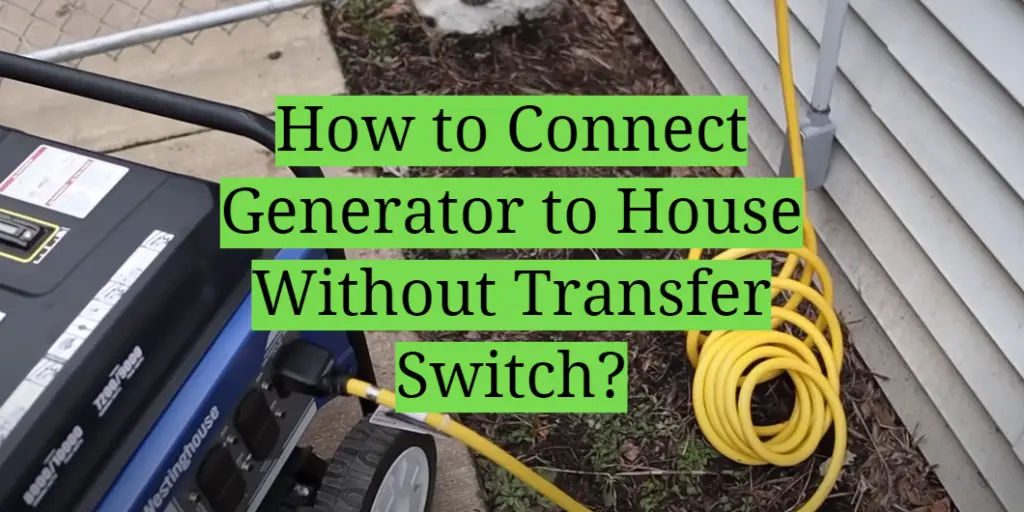
How to Connect Generator to House Without Transfer Switch? - HomeProfy. Remember that carbon monoxide warning?
Get some heavy-duty, outdoor-rated extension cords. Seriously, don't skimp here. Those thin indoor cords will just get grumpy and melt. We're talking 12-gauge or 10-gauge cords for anything substantial.
Plug your chosen appliances directly into the generator or into a power strip that's plugged into the generator.
Route the cords carefully through an open window or door. Try to avoid turning your living room into an Olympic hurdle course.
Best for: Keeping your fridge alive, charging phones, running a lamp, maybe a small fan or a TV. It’s great for targeted, temporary power. Not so great for powering your whole house. You'll be unplugging and replugging like a contestant on a very slow game show.
Method 2: The "Manual Transfer Switch" (The Smart & Safe Way)
Now, if you want to power a few circuits in your house (like all the outlets in your kitchen, or your furnace), and you want to do it safely and legally, you need a manual transfer switch. This method requires a licensed electrician for installation. No DIY heroics here, please!
How it works (in simple terms):
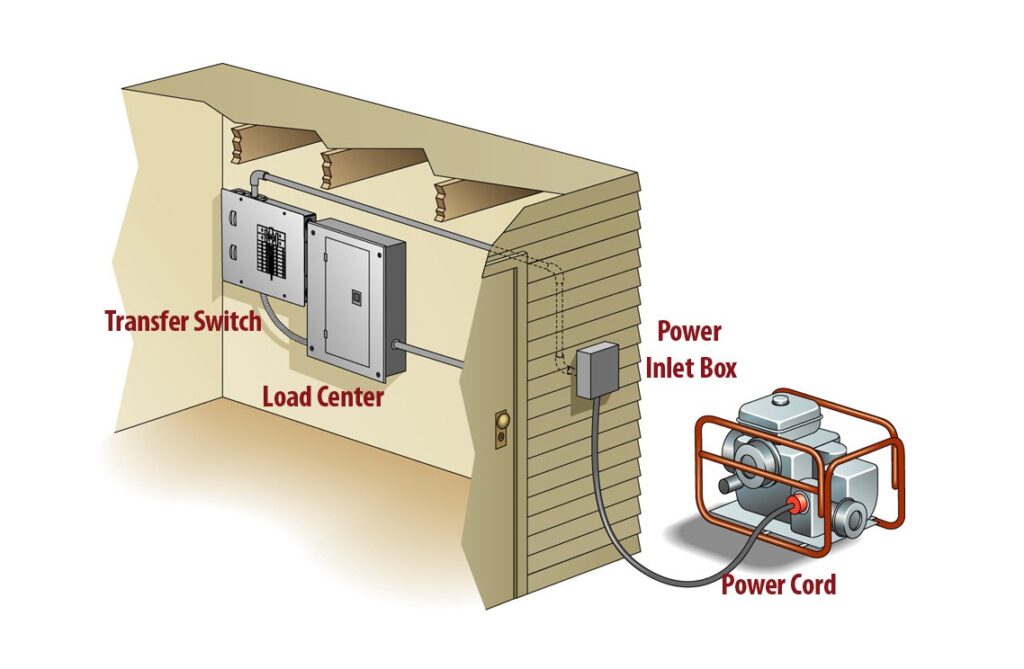
An electrician installs a special box, the manual transfer switchHow To Connect A Generator To Your House, usually next to your main electrical panel.
This switch lets you select which specific circuits in your house can receive generator power.
When the power goes out, you plug your generator into a special inlet box on the outside of your house.
Then, you go to the manual transfer switch, flip a lever from "utility" to "generator." This physically disconnects your house from the grid and connects it to your generator, preventing backfeeding. Ta-da!
Why it's awesome: It’s safe, convenient, and allows you to power essential circuits without a tangle of extension cords. You feel like a master of your domain, calmly flipping switches while your neighbors stare enviously.
Method 3: The "Automatic Transfer Switch" (Living Your Best Life)
Okay, this one is for those who want the ultimate in hands-off convenience. It's usually paired with a standby generator
(the big, permanent ones that look like mini-AC units). When the power goes out, the automatic transfer switch senses it, tells the generator to start, and then flips the power source over – all without you lifting a finger! This is next-level stuff, usually professionally installed and significantly more expensive. But hey, if you want to truly live your best blackout life, it’s an option!How to Connect a Generator to Your Home? (Best Guide in 2023) | Linquip
Generator Placement & Fueling Up (No Garage Parties!)
Remember that generator safety lecture? Let's recap some key points:
Location, location, location: At least 15-20 feet away from your house, away from windows and doors. Think of it as your generator's happy, breezy place.
Fuel smarts: Only refuel when the generator is cool and off. Spilled fuel on a hot engine is a recipe for a fiery disaster. Store fuel safely in approved containers, away from living spaces and heat sources.
A Few Final Hugs (Tips, Not Actual Hugs)
Test it regularly! Start your generator once a month, let it run for 15-20 minutes. It's like exercising a muscle – keeps it ready for action.
Keep fuel fresh: Gasoline doesn't last forever. Use fuel stabilizer or rotate your fuel supply.
Don't overload: Know your generator's wattage capacity. Plugging in too many high-power items is like asking a chihuahua to pull a bus – it's not going to end well.
And there you have it! From a simple cord to a fancy switch, you're now armed with the knowledge to tackle power outages like a pro. Whether you're just keeping the essentials humming or powering half your house, connecting a generator safely gives you peace of mind. So next time the lights flicker, you won't be dreading the dark; you'll be the undisputed King or Queen of the Kilowatts
, ready to light up your world and maybe even bake some cookies. Stay charged, my friend!