
How To Check The Temperature Of A Room

Alright, let's talk about something that causes more domestic squabbles than who left the toilet seat up: the great room temperature debate. You know the drill. One person is bundled in a sweater, sipping hot cocoa, while the other is fanning themselves with a magazine, secretly fantasizing about living in an igloo. It's a tale as old as time, or at least as old as central heating. But how do you actually, truly, know what the temperature of a room is?
The Highly Unscientific "Human Thermometer" Method
Before we dive into anything fancy, most of us start with the most unreliable, yet widely used, instrument: ourselves. You walk into a room and instantly, your body becomes a data sensor. Is it the kind of cold that makes your nipples regret everything? Or the kind of hot where you feel like you're slowly melting into a puddle, à la the Wicked Witch of the West? We've all been there.
There's the classic "arm hair salute" test. If your arm hairs are standing at attention like tiny soldiers in a blizzard, it's probably a bit chilly. Conversely, if your skin feels clammy and you're contemplating a full-body ice bath, well, you don't need a degree in meteorology to know it's toasty.
Must Read
Then there's the pet barometer. Your cat, usually a furry loaf of indifference, suddenly becomes a twitching, panting mess? Too hot. Your dog, normally a chaotic ball of energy, is curled into the tightest possible donut shape, shivering slightly? Bingo, it’s cold. They are surprisingly accurate, if a little dramatic.
And let's not forget the "baby neck check". New parents are masters of this. A quick feel of the back of the baby's neck. Sweaty? Too warm. Chilly? Time for another layer. It's an ancient art, passed down through generations, often accompanied by a worried furrowed brow and a frantic mental checklist of blankets.

When Your Gut Feeling Isn't Enough (And Why It Matters)
While our personal sensations are great for sparking family arguments, they aren't always the most accurate. What feels "just right" to you might be causing your houseplant to wilt or your beloved pet hamster to hibernate prematurely. And beyond comfort, there are real reasons to know the actual temperature.
For instance, your energy bill! Keeping a room too warm or too cold can lead to some truly eye-watering numbers at the end of the month. It's like accidentally leaving your fridge door open – except it's your entire house being cooled or heated into oblivion. Energy efficiency is not just for tree-huggers; it’s for wallet-huggers too!

Also, sleep quality. Most experts agree there's a Goldilocks zone for sleeping – not too hot, not too cold. Tossing and turning because you’re either sweating through your sheets or shivering under three duvets isn't conducive to a good night's rest. Who wants to wake up feeling like they wrestled a polar bear all night?
Bringing in the Big Guns: Actual Thermometers
Okay, so your internal thermostat (and your cat) can only get you so far. When you want cold, hard facts (or warm, squishy ones), it's time to introduce an actual thermometer. Don't worry, it's not as intimidating as it sounds.
The Old School Classic: Wall Thermometer
Remember those simple little rectangles on the wall, often with a red line going up and down? That's your basic analog thermometer. No batteries, no Wi-Fi, just good old physics. They're like the trusty old dog of the temperature world – simple, reliable, and always there. Just make sure it’s not in direct sunlight or a drafty hallway, otherwise, it’ll be telling you fibs about the weather inside.

The Modern Marvel: Digital Thermostat/Thermometer
Stepping up a notch, we have digital versions. These are usually part of your main heating/cooling system, displaying the temperature in glowing numbers. They're often more precise and can be set to maintain a certain temperature. Some are even smart, learning your habits and adjusting accordingly. It's like having a tiny, temperature-obsessed robot managing your climate, which is pretty cool (or warm!).
Handheld Gadgets (For the Truly Curious)
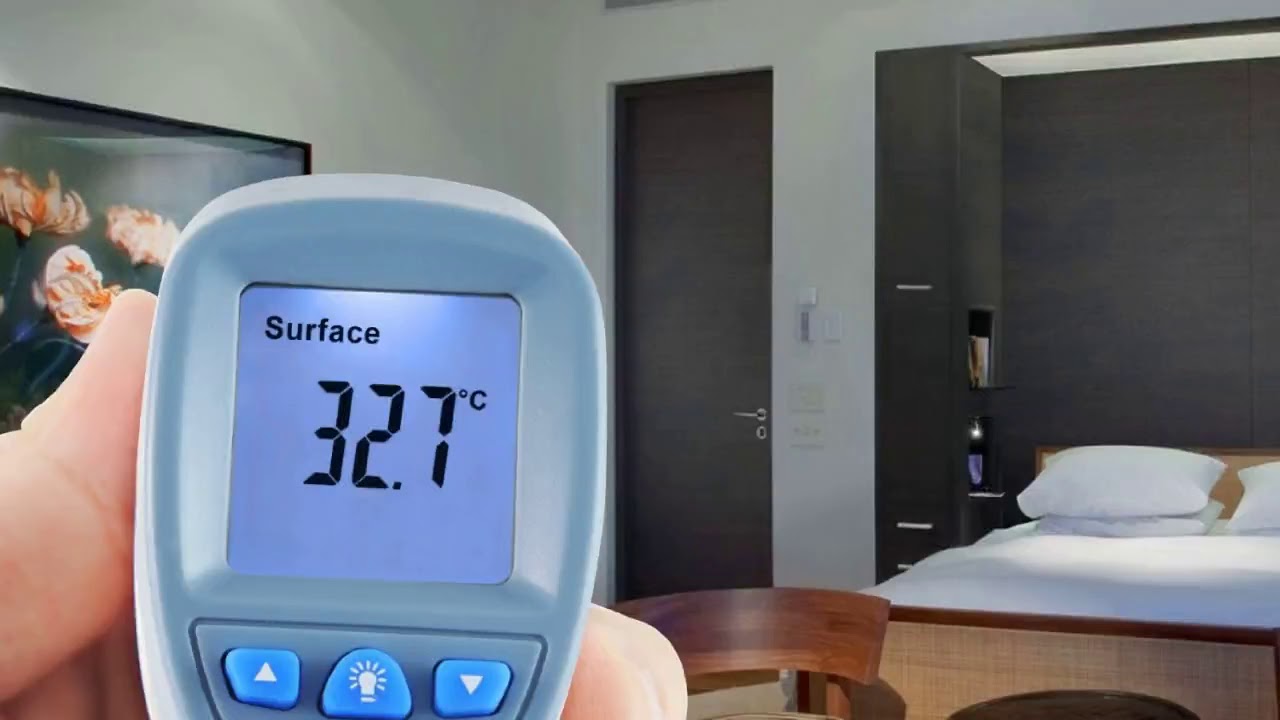
If you're really passionate about knowing the temperature of every nook and cranny, you can get small, inexpensive digital thermometers that you can place anywhere. Want to know how hot it is near your gaming PC? Or how chilly it gets by the window? Pop one of these little guys there, give it a few minutes, and voila! Instant data. They're great for finding those mysterious cold spots in your house that always seem to claim your toes.
Finding Your Perfect Temperature Zen
So, you've got your trusty thermometer. What's the magic number? Well, for most people, a comfortable room temperature hovers somewhere between 68-72°F (20-22°C). But here's the kicker: comfort is subjective! Your ideal "Goldilocks zone" might be slightly different. Maybe you're a creature of the tropics and prefer it a tad warmer, or perhaps you're a polar bear enthusiast and thrive in cooler temps.
The key is to use your thermometer as a guide, not a dictator. Adjust your heating or cooling gradually, giving the room time to respond, and check the thermometer again. Don't just blast the AC until icicles form – unless that's your vibe, no judgment here!
Ultimately, checking your room temperature isn't about being overly scientific; it's about making your living space as comfortable and efficient as possible. So go forth, embrace your inner temperature detective, and may your home always be just right!