
How To Check If A Neighborhood Is Safe
So, you’re on the hunt for a new place, or maybe just curious about that street you always drive past? Well, strap in, because we're about to unleash your inner neighborhood safety ninja! Forget boring checklists; we're going on an adventure to find your perfect, cozy, worry-free corner of the world.
Think of yourself as a super-sleuth, a friendly detective with a mission to uncover all the good vibes. It's easier and way more fun than you think, I promise!
Your Super-Sleuth Safety Squad: Activating Your Senses
First up, let's talk about your secret weapon: your gut feeling. It’s like a tiny internal siren that knows things even before your brain catches up.
Must Read
If a place gives you the heebie-jeebies from the get-go, pay attention! Your intuition is often a master at subtle pattern recognition, whispering, "Maybe skip this one, friend."
Don't dismiss that little voice – it's often more accurate than a fancy algorithm. Give your instincts a high-five and let them guide your initial wanderings.
The Daytime Detective Work: Sun's Out, Spies Out!
Okay, sunshine makes everything look better, right? But even under the brightest rays, a neighborhood tells a story if you know how to read it.
Take a good, long walk around during the day. Observe everything like you're a benevolent alien visiting Earth for the first time.
Property Prowl: Are Homes Loved?
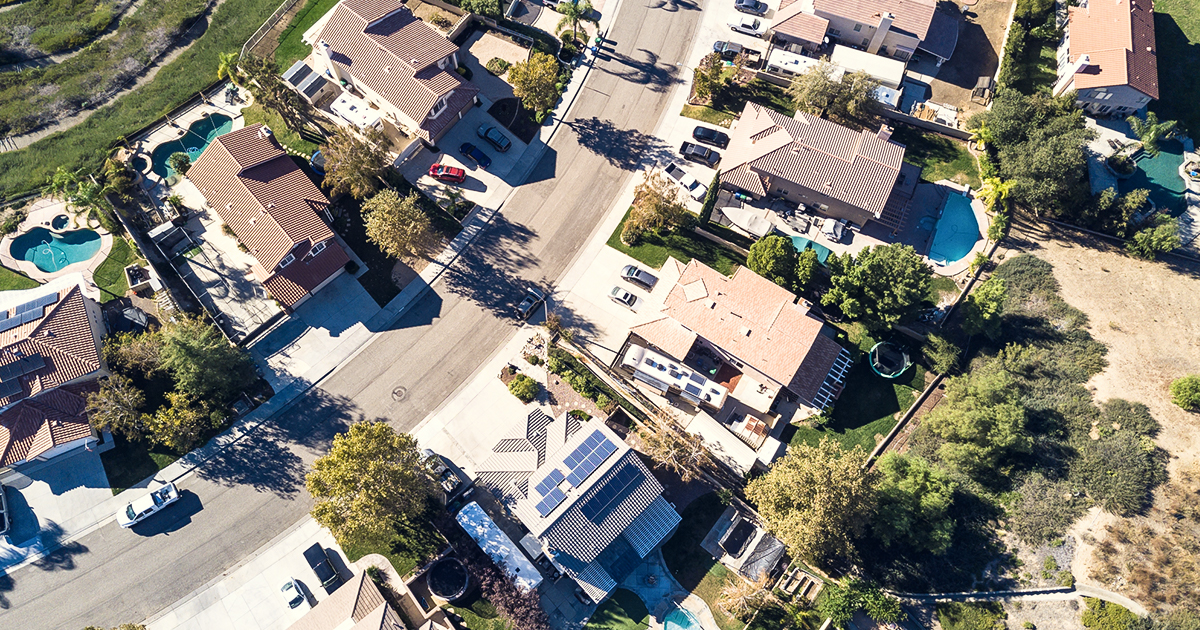
Look at the houses and apartments. Do they look cared for, with tidy lawns and happy window boxes?
Or are there neglected gardens, peeling paint, and a general air of "nobody cares"? A well-maintained street usually signals that residents take pride in their community.
"A good neighborhood isn't just about big houses; it's about little gardens, neatly trimmed hedges, and maybe a gnome or two that looks genuinely thrilled to be there!"
Untamed weeds and overflowing bins can sometimes be a red flag. It's a data point indicating a potential lack of community engagement.
People Watching: The Human Factor
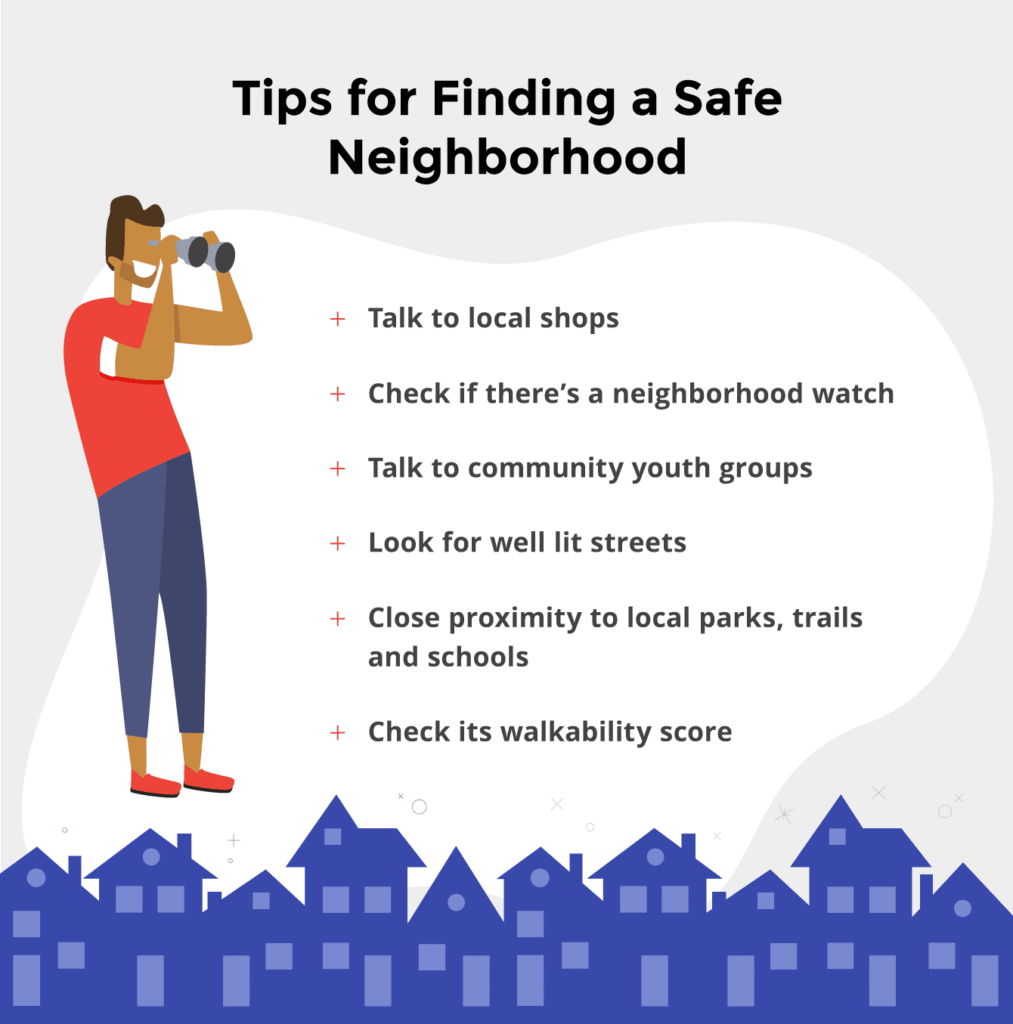
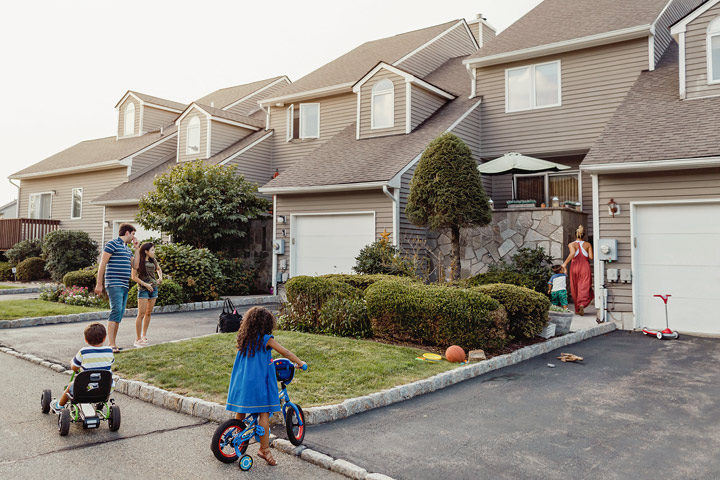
Who’s out and about? Are there people walking dogs, kids playing hopscotch, or folks chatting over fences?
A bustling, friendly street with people enjoying the outdoors is a fantastic sign. It means people feel comfortable and connected.
Conversely, if the streets are eerily empty during peak hours, it might make you wonder where everyone is. A lively vibe equals a loved neighborhood.
Park Patrol: Green Spaces & Good Times
Scope out any local parks or public spaces. Are they clean, well-maintained, and actually being used?
A park full of laughter, picnics, and dog walkers is like a giant neon sign screaming, "Community Hub Here!"
If the swings are rusty, benches are broken, and the only "wildlife" is litter, that's a different story. Public spaces often reflect community care.
Business Buzz: Coffee Shops & Convenience Stores
Wander into local shops – a coffee place, a corner store, even a dry cleaner. Do they seem busy and welcoming?
Thriving local businesses suggest a healthy flow of foot traffic and engaged residents. Plus, you get a sneak peek at the locals!
An abundance of boarded-up shops or businesses that look perpetually empty might be a yellow flag, signaling less vitality.
When the Sun Takes a Siesta: Nighttime Nosing Around
The neighborhood can pull a total Cinderella act once the sun goes down, so you absolutely must visit after dark!
Things change when the shadows lengthen, and you want to know what kind of party (or lack thereof) is happening.
Lighting Check: Banishing the Boogeyman
Are the streets well-lit? We're talking proper, bright streetlights, not flickering dim bulbs straight out of a horror movie.
Good lighting is a huge deterrent for less-than-friendly activities. It makes everyone feel safer and more visible.

Dark, shadowy corners and unlit pathways can feel pretty spooky, even to the bravest of us. You definitely want to see where you're going!
Noise Levels: Serenity or Siren Song?
What kind of sounds greet you? Is it the gentle hum of crickets and distant chatter, or a symphony of sirens and loud bass?
Every neighborhood has some noise, but excessive, constant disturbances can be a warning. You're looking for a peaceful sleep, not a nightly rock concert.
Listen for unusual sounds or constant disruptions that might suggest a lack of respect for quiet hours. A calm night is a happy night.
Digging Deeper: Your Inner Internet Investigator
Okay, put on your virtual reality goggles, because it’s time to hit the web! The internet is a treasure trove of neighborhood intel.
Just remember, a grain of salt is always recommended – not everything online is gospel, but it’s a great starting point.
Crime Maps: Unmasking the Mysterons
Look up online crime maps for the area. Websites like CrimeReports.com or local police department sites often have this data.
Don't panic if you see any crime; unfortunately, no place is 100% crime-free. You're looking for patterns or unusually high numbers for serious incidents.
Compare the crime rates to other areas you know or are considering. This gives you valuable context and helps you see the bigger picture.
Community Forums & Social Media Sleuthing
Search for local neighborhood Facebook groups, Nextdoor.com, or community forums. These can be goldmines of real-time gossip (I mean, information).
You’ll often find residents discussing everything from lost cats to local safety concerns. It's like ethical eavesdropping, totally for your benefit!
Pay attention to recurring themes or widespread complaints. If everyone is constantly reporting package thefts, that's something to note.
The Chatterbox Challenge: Talk to the Locals!
This is where your charisma really shines! Don't be shy; approach people who look friendly and engaged in the neighborhood.
Think of them as your neighborhood Wikipedia – living, breathing sources of invaluable insights. They know all the juicy details.
The Mail Carrier & Delivery Driver Deep Dive
Seriously, if you see a mail carrier, a delivery driver, or anyone who regularly works the streets, strike up a conversation! They know everything.
"These folks are the true neighborhood whisperers; they’ve seen it all, from the early morning paper delivery to the late-night pizza runs. Their intel is gold!"
Ask them what they like about the area, if they feel safe, or if there are any "quirks" to be aware of. They’re usually happy to share!
Friendly Faces on a Stroll
Spot someone walking their dog or tending their garden? Offer a compliment and gently ask about the neighborhood.
Simple questions like, "How do you like living here?" or "Is it pretty quiet at night?" can open up a wealth of information.
Locals will often tell you the unvarnished truth, the stuff you won't find on any website. Their personal experience is priceless.
The "Little Things" That Speak Volumes: Micro-Clues
Sometimes, it's the tiny details that paint the clearest picture. Your eyes are your super-magnifying glass!
These little clues can be subtle, but they add up to a big impression about the neighborhood's overall vibe.

Graffiti Gauge: Art or Eyesore?
Is there a lot of graffiti? And what kind is it? A vibrant street mural is very different from haphazard tagging on every wall.
While some street art is fantastic, widespread, unaddressed tagging can sometimes indicate a lack of quick response from the community or authorities.
A quick cleanup of graffiti shows that residents and the city care about maintaining the area's appearance. It's a sign of proactive engagement.
Traffic Tidbits: Zoomers or Strollers?
Observe how fast cars are driving. Are they zipping through like it's a highway, or are they going a reasonable speed?
Streets where cars respect speed limits are generally safer for pedestrians and kids playing. It shows a thoughtful driving culture.
Heavy, fast-moving traffic can detract from a pedestrian-friendly atmosphere, making it feel less safe for walking or biking.
Community Calendars & Bulletin Boards
Look for posted flyers or community bulletin boards at local coffee shops, libraries, or community centers. What kind of events are advertised?
A bustling calendar of bake sales, neighborhood watch meetings, and local festivals suggests an active and engaged community.
An empty board, or one filled with outdated notices, might suggest less organized community activity. Look for signs of life!
So there you have it, future neighborhood explorer! By combining your incredible instincts with a bit of playful detective work, you’ll become a master at sniffing out the safest, happiest corners of any town.
Go forth, investigate, and find a place where you feel perfectly at home, surrounded by good vibes and peace of mind!