How To Check Expiry Date Of Car Seat
In the grand symphony of parenthood, we often find ourselves conducting a myriad of tasks, from the joyous to the downright puzzling. Among these, there’s a quiet but profoundly important little secret that every parent, grandparent, and caregiver should be privy to: the hidden lifespan of a car seat. Just like your favorite snack has a "best by" date, your child's most crucial piece of safety equipment also has an expiry date! Far from being a chore, thinking about this date is actually an act of profound love and preventative magic.
You might wonder, why bother? Well, imagine the joy of knowing you’ve given your little one the absolute best, not just in comfort but in uncompromising safety. Checking that expiry date isn't just about following rules; it's about embracing a simple, yet powerful, layer of protection. For the vigilant parent, the meticulous hobbyist of child safety, or even the casual learner navigating the vast world of baby gear, understanding this can bring immense peace of mind. It empowers you to make informed decisions, ensuring that the very device designed to shield your child in transit is in optimal working condition, performing exactly as it was engineered to.
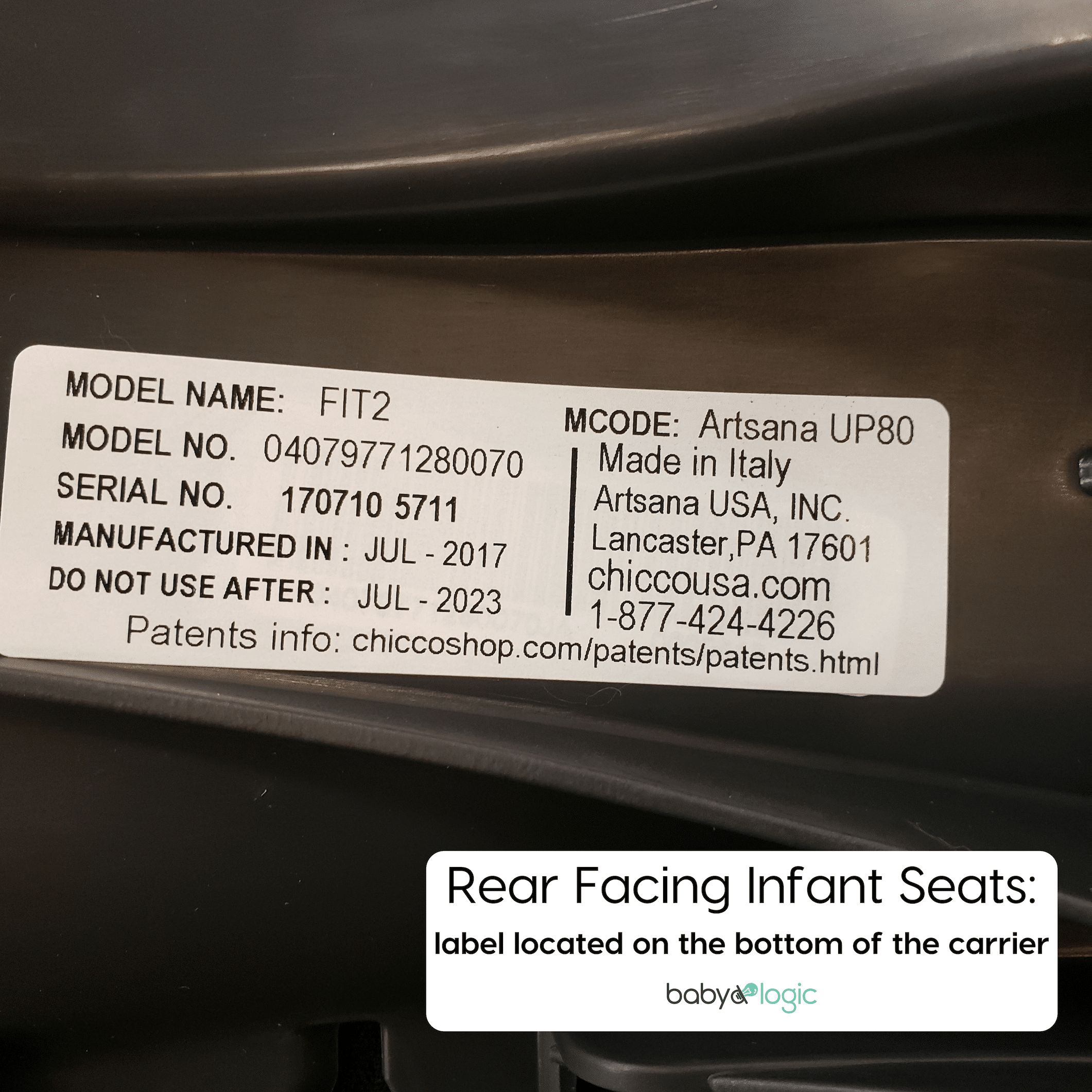
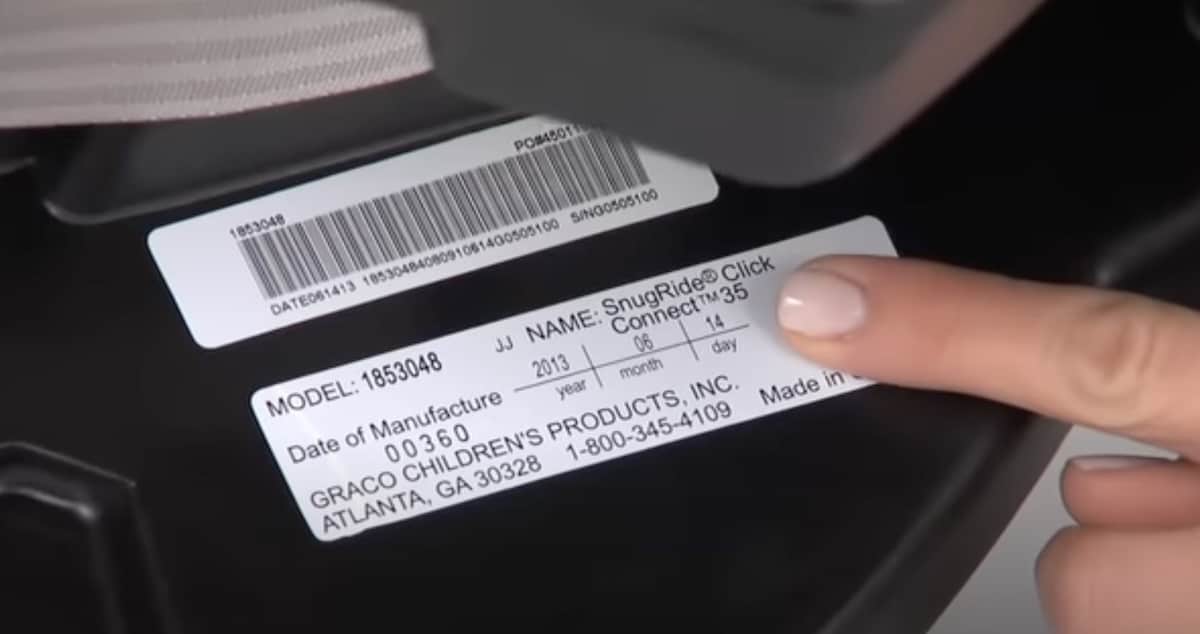
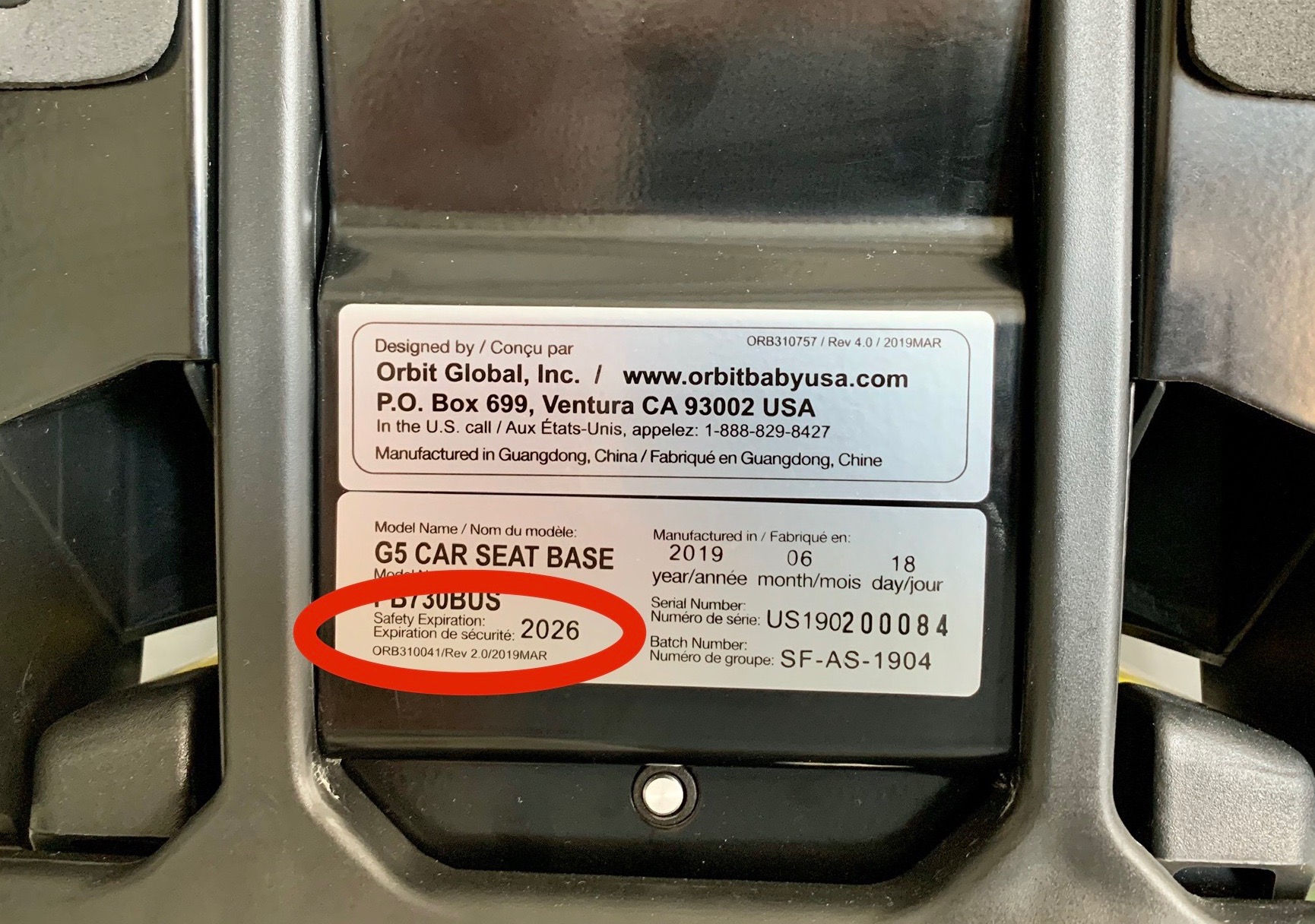
So, where does this mysterious date hide? Car seats come in all shapes and sizes – infant carriers, convertible seats, booster seats – but they all share this common secret. You'll typically find the expiry information molded into the plastic shell, often on the bottom or back, or printed on a prominent sticker. Sometimes, it’s a clear "DO NOT USE AFTER" date, while other times you’ll find a "DATE OF MANUFACTURE" and you'll need to consult the manual to know the seat's specific lifespan (which generally ranges from six to ten years). The reason for expiry is practical: materials like plastic and foam can degrade over time due to temperature fluctuations, UV exposure, and the stress of everyday use, potentially compromising their integrity during an impact. Think of it as the unseen superhero wearing out its cape over time!
Must Read
Ready to uncover your seat's secret? Here’s how to check it at home. First, grab your car seat and your phone for a quick flashlight if needed. Gently remove any removable fabric covers if they obstruct your view. Scan the sides, back, and especially the bottom of the plastic shell. Look for a label or molded text that clearly states the expiry or manufacture date. If you find a manufacture date, then check your car seat’s manual (or the manufacturer's website) for its specific lifespan. If your seat is expired, or if you're uncertain, the safest course of action is to discontinue its use immediately. To prevent it from being used unsafely by others, it's recommended to cut the straps and fabric, and recycle the plastic components if possible, or dispose of it responsibly.
Ultimately, checking your car seat's expiry date is a small action with a huge impact. It's not a chore; it’s an act of vigilant guardianship. The immense satisfaction that comes from knowing you’ve proactively taken every step to safeguard your child, that their most frequent travel companion is truly up to the task, is profoundly enjoyable. It’s a quiet confidence, a warm assurance that you’re providing the best possible start to every journey.