
How To Check Crime Rate In Neighborhood

So, you’re looking at a new spot. Or maybe just sizing up your current digs. A nagging question pops into your head: "How safe is this place, really?"
We've all been there. That little voice wonders if it's okay to leave your bike out. Or if you should bolt the doors twice.
It's about feeling comfortable. It’s about that undeniable sense of peace when you walk down the street.
Must Read
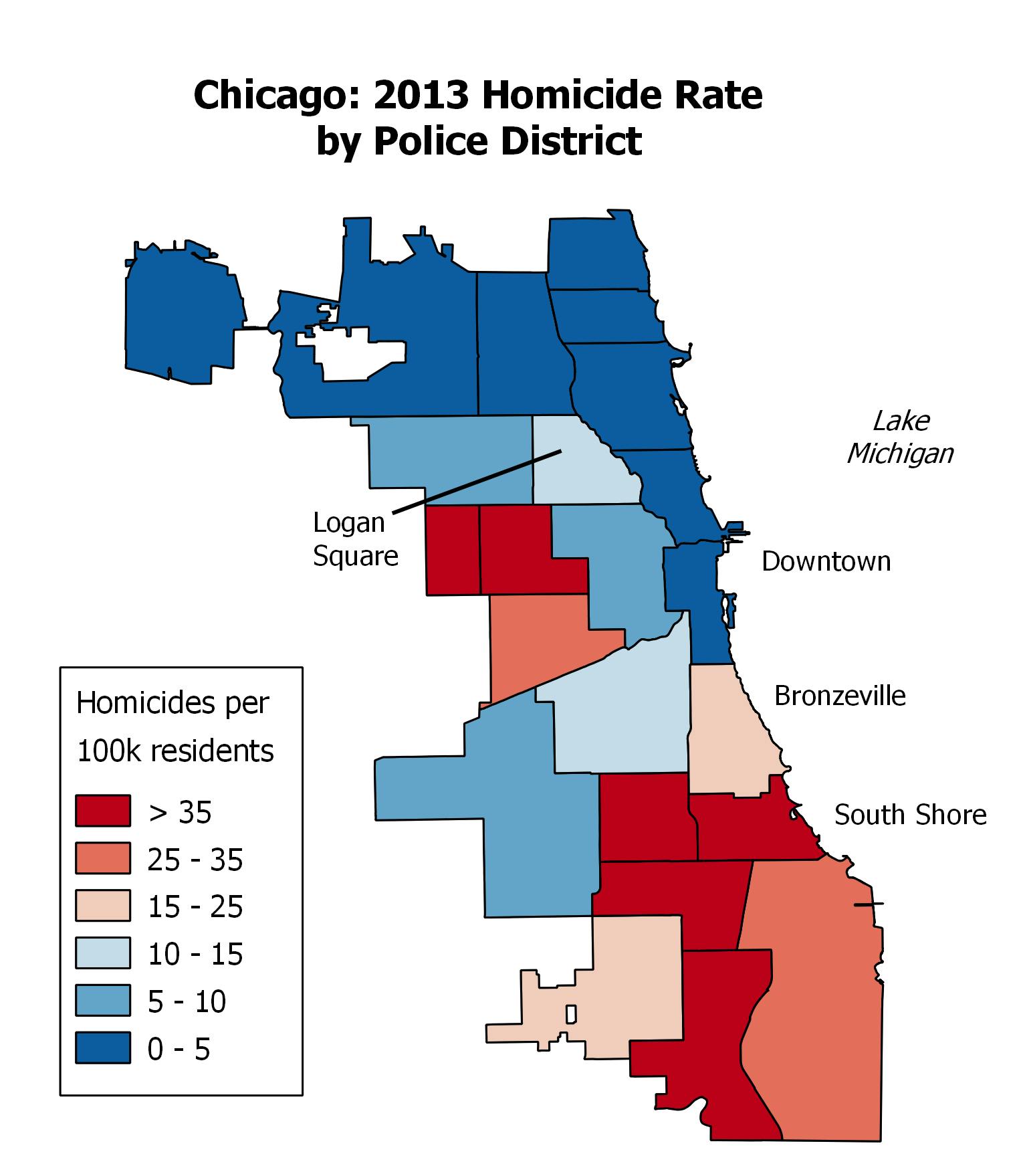
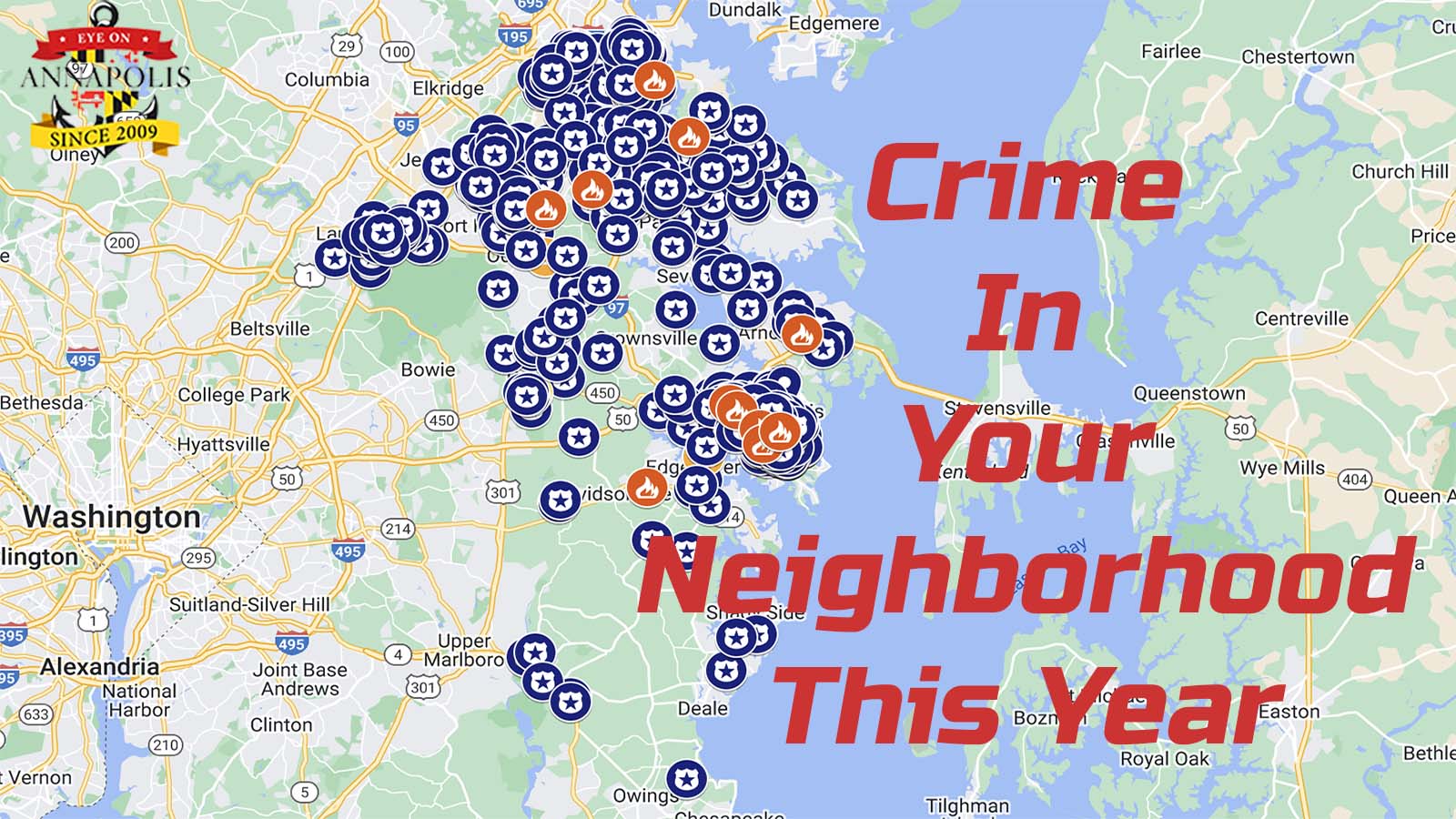
Of course, there's the official route. You can visit your local police department’s website. They often have shiny maps and very official-looking data.
These digital portals show you dots, squares, and various colors. Each representing an incident. It's like a highly detailed, slightly depressing, abstract painting.
But let's be real. Sometimes a single dot for a stolen garden gnome can make an otherwise pristine street look like a crime hotspot. Don't let inflatable lawn ornaments mislead you.
The Official Path: A Necessary, But Often Dry, Stop
Then we have the big, national databases. You might hear about the FBI's Uniform Crime Reporting (UCR) Program. Or the more modern National Incident-Based Reporting System (NIBRS).
These programs sound incredibly serious. They offer a sweeping view, letting you compare your town to others. Perfect for impressing friends at dinner parties with obscure statistics.
But trying to decipher all those acronyms and data tables? It can feel a bit like reading ancient hieroglyphs. Possibly while wearing oven mitts.
Many third-party websites also promise to spill the beans. They aggregate public safety data. They try to make it easy to digest.
These sites can be a good starting point. They pull information from various sources. They often offer a convenient, at-a-glance overview.
However, remember that data is only as fresh as its last update. And sometimes, it's about as current as dial-up internet. Which means it might miss the very latest neighborhood drama.
The Unofficial, Highly Intuitive, And Frankly More Fun Methods
Alright, enough with the spreadsheets. Let's talk about the real investigative techniques. The ones that offer genuine insights.
These methods aren't found in any government report. They involve a little more flair. And a lot more human interaction.
Prepare to unleash your inner Neighborhood Navigator. This is where true understanding begins.
The Coffee Shop Oracle
First stop: the local coffee shop. This place is an absolute treasure trove of local intelligence. It's the heart of the community's nervous system.

Grab a comfortably oversized mug of your favorite brew. Find a spot where you can casually observe. Then, just listen.
Are people chatting animatedly about local bake sales? Or are hushed tones discussing recent mysterious occurrences? The chatter holds clues.
"The barista, dear reader, is the true neighborhood sage. They know who's dating whom, and who left their lights on for three days straight."
Pay attention to the general vibe. Is it bustling and friendly? Or is there an unspoken tension in the air? This subtle energy speaks volumes.
If folks are leaving their laptops unattended for a quick restroom break, that's a good sign of trust. If everyone's clutching their bags like precious cargo, well, you get the picture.
A thriving, relaxed coffee shop signals a community at ease. People feel comfortable enough to linger. They aren't in a hurry to flee the premises.
The Pawsitive Patrol: Dog Walkers & Stroller Squads
Next, seek out the dog walkers. And the stroller pushing parents. They are the unsung heroes of neighborhood surveillance.
These dedicated individuals traverse every block, every day. They notice every new car, every misplaced lawn ornament, and every fresh piece of street art.
Head to a local park or a popular walking path. Look for the person expertly wrangling three excited canines. Casually strike up a conversation about their fluffy companions.
Ask about the best routes for a leisurely stroll. Inquire about the general "feel" of different blocks. They often possess a surprising depth of local knowledge.
A happy, chatty dog walker usually means they feel secure on their routes. A constantly scanning, hurried one might indicate a different story.
Their daily perambulations provide an intimate, ground-level perspective. They are truly the pulse of the pavement, furry friends in tow.
The Porch Package Prognosis
Here’s a delightfully simple and telling method: the Porch Package Patrol. Take a drive or walk through the streets around midday.
Observe the doorsteps. How many packages are sitting out? And how long do they appear to have been there?

A neighborhood with a surprising number of untouched Amazon boxes suggests a healthy level of trust. Residents feel safe leaving their deliveries unattended for a while.
If every porch is mysteriously bare, even shortly after a delivery notification, that might raise an eyebrow. Or it could just be extremely diligent residents, always home for the mail.
This simple visual cue offers quick insight. It's a real-time, highly visible indicator of a community's sense of security. It’s about the implicit trust in your neighbors.
Think of it as a very practical, low-stakes treasure hunt. With potential high-stakes implications for your new espresso machine delivery.
The Graffiti Gauge and Cleanliness Clues
Now, cast your eyes upon the walls, fences, and public spaces. What kind of graffiti do you observe? Is it vibrant, artistic street art? Or is it aggressive, territorial tagging?
This visual indicator provides a window into the level of community respect and upkeep. Are properties generally cared for? Or do they show signs of neglect and disregard?
An abundance of fresh, angry tags or defaced public property often suggests underlying issues. It's a very visible symptom of neighborhood health.
Conversely, if you spot children's colorful chalk drawings on the sidewalks, that's generally a heartening sign. It indicates that kids feel safe playing freely outside.
But widespread, unchecked vandalism or litter? That certainly tells a different, less optimistic story. Pay close attention to these easily overlooked details.
It's like reading the visual diary of urban life. Or, hopefully, the vibrant landscape of a thriving, cared-for community.
The Twilight Test: Nighttime Navigation
Don't limit your investigation to daylight hours. Revisit the neighborhood after the sun sets. A place can transform its entire personality once darkness falls.
Are the streets well-illuminated? Are people still comfortably out walking their dogs? Do you hear the sound of friendly chatter, or an unsettling, eerie quiet?
A vibrant, well-lit street bustling with activity at night often suggests a safe environment. People aren't afraid to be out and about, enjoying their evenings.
Empty, poorly lit streets, however, can feel less welcoming. This is where your primal instincts kick in. Pay close attention to that little shiver down your spine.
Your gut feeling at night is an incredibly powerful tool. If a place feels inherently "off" after dark, trust that sensation. It’s often warning you for a very good reason.
This nighttime reconnaissance is absolutely crucial. It completes the picture, filling in the necessary shadowy blanks that daylight might conceal.
The Digital Divination: Social Media Sleuthing
Next, delve into the fascinating world of local social media groups. Think Nextdoor, specific Facebook community pages, or even local Reddit threads. These platforms are raw and wonderfully unfiltered.
You'll encounter everything from frantic posts about lost pets to pleas for plumber recommendations. And yes, you'll find plenty of discussions about local incidents.
Read between the lines. Is every other post about a suspicious car or a recent theft? Or is it mostly about neighborhood potlucks and overflowing community garden harvests?
Take everything you read with a healthy pinch of salt, of course. Some folks simply enjoy a good drama. Or tend to exaggerate minor inconveniences.
However, consistent themes are invaluable. If multiple people are reporting similar issues, chances are there's a pattern. The digital smoke usually indicates some fire.
These online communities are fantastic for tapping into the collective consciousness. They are the modern-day digital town crier, for better or worse.
The School Bell Barometer
If there's a local school nearby, observe the pick-up line. This seemingly mundane event offers a surprisingly insightful sociological study.
Are parents chatting casually at the school gate, seemingly relaxed? Are kids walking or biking home independently? Or are parents rushing them into cars with hurried glances?
A generally relaxed and friendly school environment often mirrors a relaxed neighborhood. It suggests parents feel comfortable allowing their children a degree of independence.
Conversely, a very tense, rushed, or overly protective pick-up scenario might hint at underlying community anxieties. Observe the interactions and the general atmosphere closely.
The energy surrounding a school is incredibly palpable. It provides a quick, emotional read on the community's overall comfort level. Children's freedom is a great barometer.
So, next time you're on a neighborhood scout, grab a juice box and become a temporary playground observer. You'll learn more than you ever expected.
The Local Lifeline: Libraries and Community Centers
Make a quick detour into the local community center or public library. These institutions are the literal hubs of community activity. They are truly touchstones for local life.
Are they well-maintained and clean? Are people of all ages utilizing them – from toddlers at story time to seniors at bridge club? Do they simply feel welcoming?
A vibrant, well-used community center often signifies a deeply engaged community. It means residents feel connected and actively invested in their shared spaces.
Librarians, in particular, are often incredibly knowledgeable about local goings-on. They hear a tremendous amount of unfiltered information and gossip. They are quiet repositories of local lore.
Don't hesitate to politely ask a staff member about upcoming local events. Or even just for their general impression of the area's current mood. They are usually happy to share.
They are the silent guardians of local wisdom. And they almost always have excellent recommendations for your next great read. A win-win situation, really.
The Unbeatable Instinct: Your Gut Feeling
Finally, and arguably the most crucial method of all: trust your gut feeling. It’s an incredibly sophisticated, ancient alarm system that rarely fails.
As you walk around, how do you personally feel? Do you feel relaxed and at ease? Or are you subtly on edge, perhaps unconsciously scanning your surroundings?
Your subconscious mind absorbs hundreds of tiny, nuanced cues. It processes environmental information far faster and more comprehensively than any crime statistics map ever could.
If something feels genuinely "off," it probably is. Never, ever ignore that subtle internal nudge. It is an incredibly powerful, deeply intuitive navigational tool.
This isn't merely about cold numbers and data points. It’s about the intangible atmosphere, the collective energy, and the fundamental sense of human connection. It's about raw intuition.
So, go forth, brave neighborhood explorer! Sharpen your senses, trust your instincts, and embrace the wonderfully unscientific art of local observation. And perhaps, do buy that insightful barista an extra coffee.