How To Change The Battery In A Smoke Alarm
Ah, the humble smoke alarm. It might not be the most glamorous gadget in your home, but there's a certain quiet satisfaction that comes with keeping it in top shape. You see, while no one exactly "enjoys" a shrieking alarm, there's a deep-seated appreciation for the peace of mind it provides. It’s the unsung guardian of your home, and ensuring it's ready for action can feel surprisingly empowering, like being a home maintenance hero, silently protecting your loved ones.
The benefits of a properly functioning smoke alarm are life-saving. Its primary purpose is to give you and your family early warning in the event of a fire, providing precious minutes to escape safely. But let's be real, there's another, more immediate benefit we all appreciate: avoiding that infernal, incessant low-battery chirp. That high-pitched, sporadic peep that always seems to begin at 3 AM, just when you’ve finally drifted off to sleep. Changing that battery isn't just about fire safety; it's about reclaiming your night, preserving your sanity, and achieving quietude. It's about taking control of your home's soundscape and declaring, "Not tonight, little chirper, not tonight!"
Smoke alarms are everywhere, standing sentinel. You’ll find them in hallways, near bedrooms, often on every level of your home, and usually within a few feet of the kitchen (though not too close, lest cooking bacon trigger drama). They come in various forms – some are simple battery-powered units, others are hardwired into your home’s electrical system but still rely on a battery backup. Regardless of type, they all share one common need: fresh power. The classic scenario is that intermittent "beep" that starts subtly, then grows more insistent, always hinting that it’s time for the hero (that's you!) to step up.
Must Read
So, how do you conquer the chirp and ensure your home is genuinely protected? Here are some practical tips to make the process effective and perhaps even a little enjoyable. First, don't wait for the dreaded chirp! Make it a habit to change all your smoke alarm batteries annually. A great mnemonic is to do it when you change your clocks for Daylight Saving Time. It’s an easy way to remember and ensures fresh power year-round.
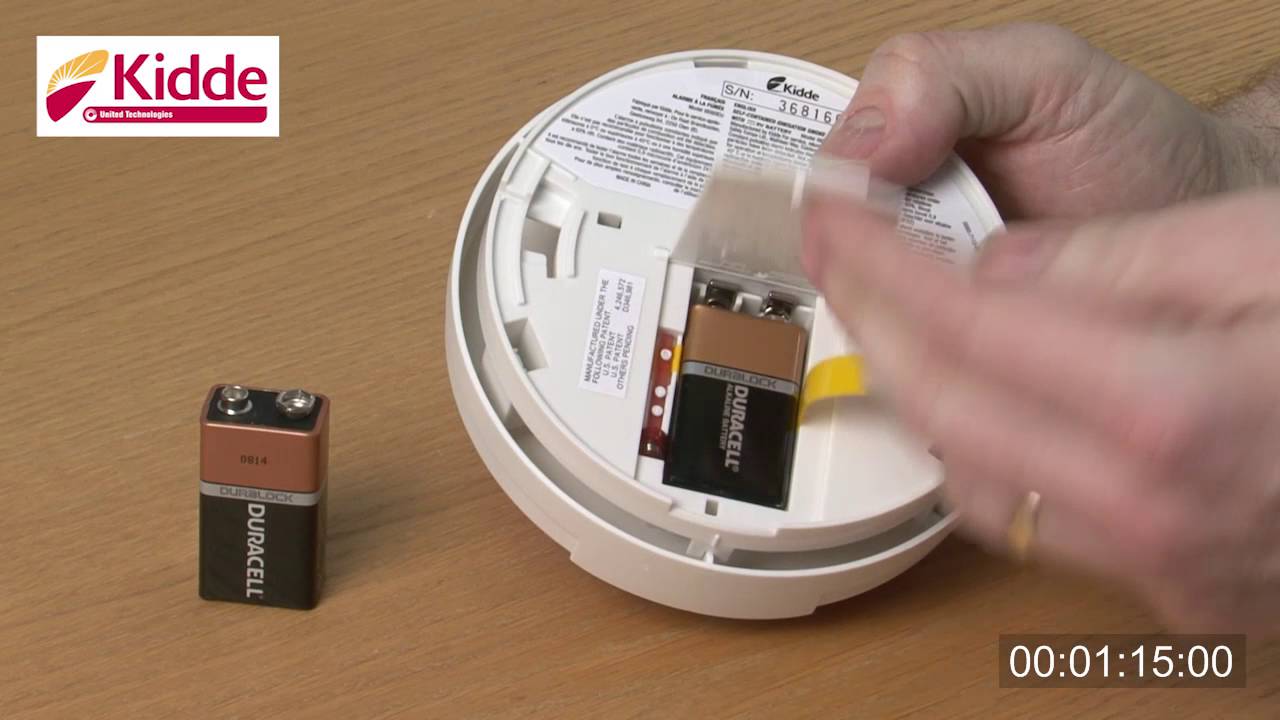
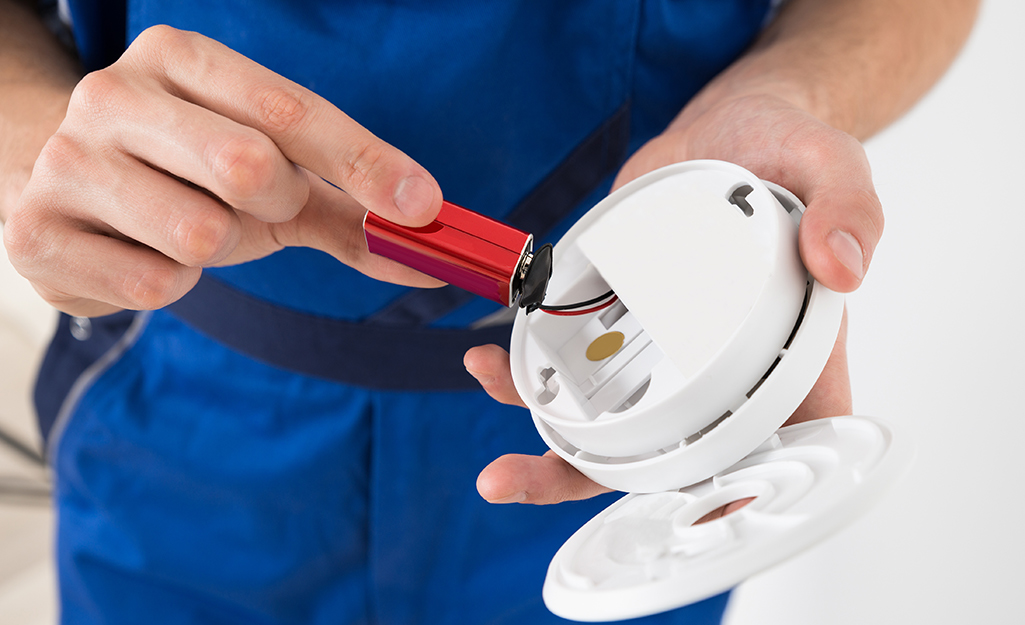
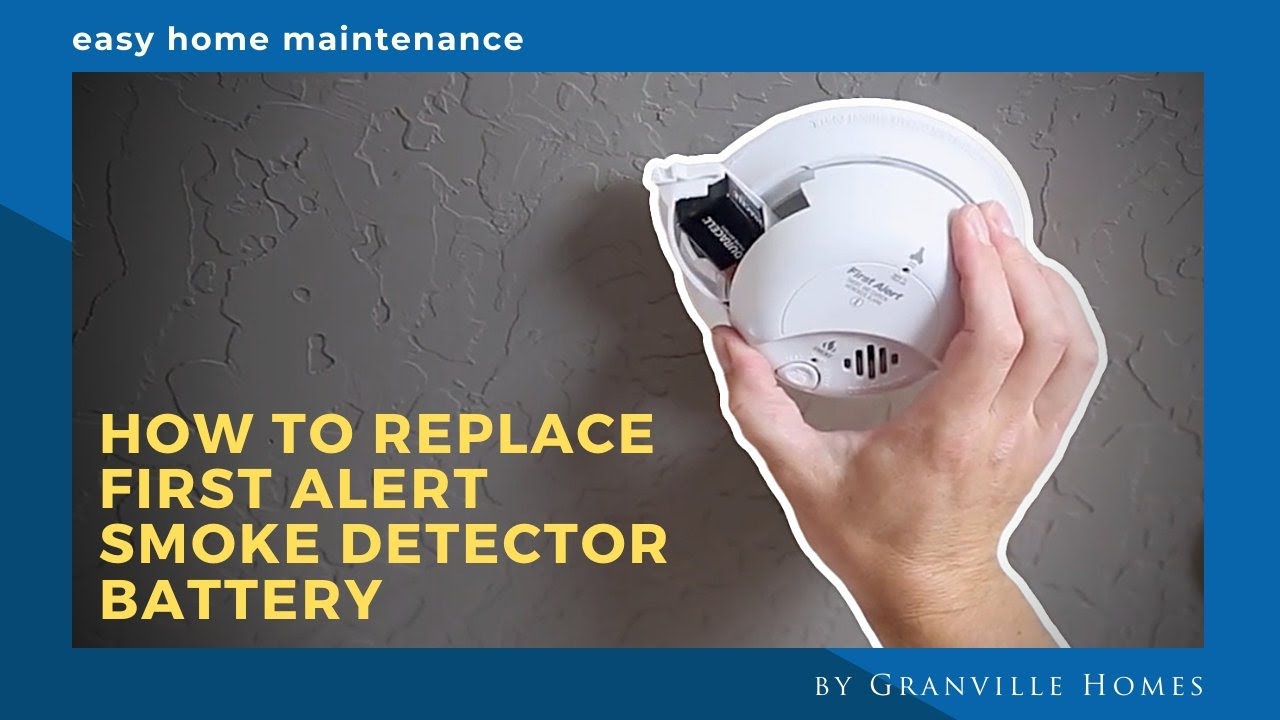
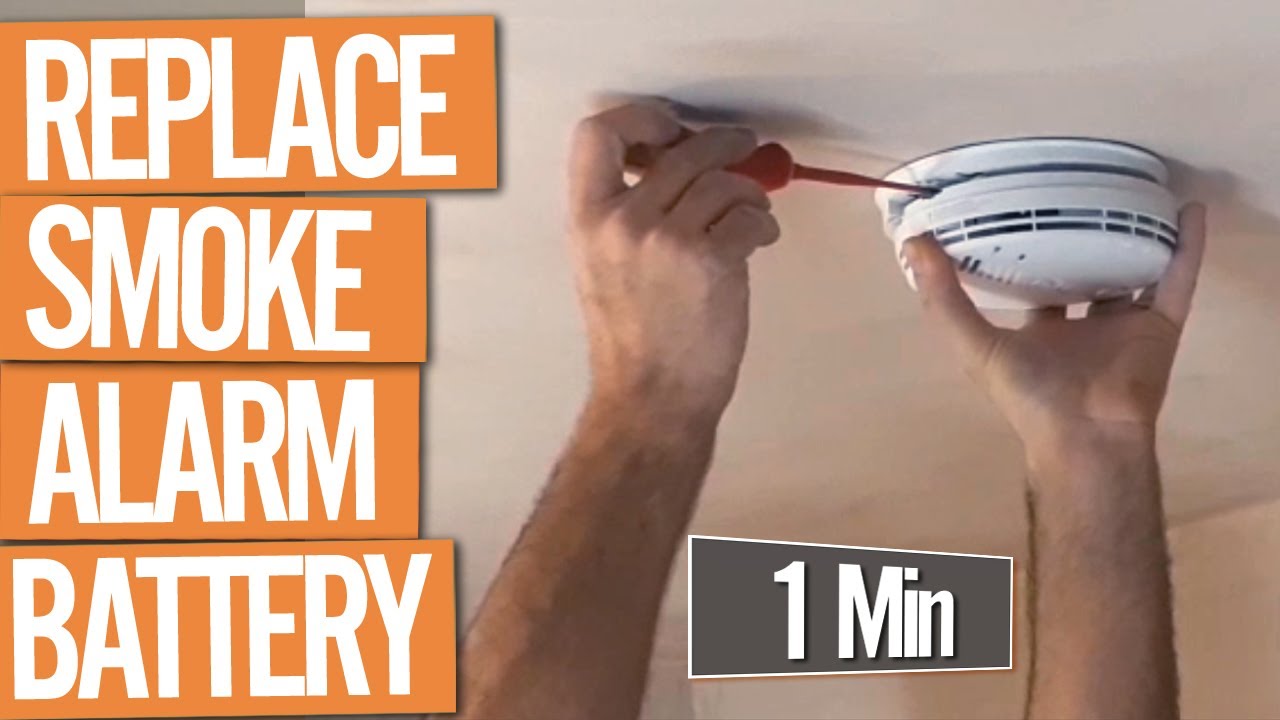
When it’s time for the swap, gather your tools: a sturdy step stool, a fresh 9-volt battery (the most common type, though some use AA or AAA), and perhaps a small flathead screwdriver if your alarm cover is stubborn. Approach your alarm, which is usually mounted on the ceiling or high on a wall. Most alarms have a cover that twists counter-clockwise or has clips on the side that you press to release. Once open, carefully unclip the old battery. Pay attention to its orientation (the positive and negative terminals) and insert the new battery in the exact same way. Close the cover securely, ensuring it clicks or twists back into place.
Most important step: Test it! Press and hold the "Test" button on the alarm until it lets out a loud shriek. This confirms the new battery is working and the alarm itself is functional. If it doesn't sound, double-check the battery insertion and try again. Congratulations, you’ve restored peace and quiet, and reinforced a crucial layer of safety for your household. You're not just changing a battery; you're safeguarding your sanctuary, one chirpless night at a time!