How To Change Battery On Keypad Door Lock

Ah, the modern marvel of the keypad door lock! Remember the days of frantically patting down pockets for keys, or that stomach-dropping realization you'd left them inside? Those days are increasingly a distant memory, thanks to these ingenious devices. People love keypad locks for the sheer freedom they offer. Imagine strolling up to your front door with arms full of groceries, and with a quick tap-tap-tap, you're inside – no fumbling required. It’s not just about convenience; it’s about a little slice of everyday magic that simplifies our busy lives.
The benefits of a keypad door lock extend far beyond simply not needing a physical key. They provide an enhanced sense of security and control. You can grant temporary access codes to dog-walkers, house-sitters, or visiting relatives, revoking them just as easily when they're no longer needed. This flexibility is a game-changer for everything from managing Airbnb rentals to ensuring your kids can get in after school without worrying about a lost key. They truly integrate into our smart homes, offering peace of mind and streamlining daily routines, making that "locked out" feeling a relic of the past.
You’ll find these digital guardians adorning front doors, side entrances, garage access points, and even secure office areas. They're a staple in modern homes, allowing for keyless entry for the whole family, and providing a seamless experience when hosting friends or contractors. Whether it's letting the plumber in while you're at work or simply enjoying a sunset stroll without the jingle of keys in your pocket, keypad locks are silently working their magic, making life just a little bit smoother.
Must Read
But like all great heroes, even your trusty keypad lock has a potential Achilles' heel: a dying battery. Fear not, brave homeowner! This isn't a task for an electrician; it’s a simple mission you can accomplish faster than brewing a cup of coffee. To keep enjoying the hassle-free bliss, here are some practical tips for that crucial battery change:
First, be aware of the warning signs. Most locks will start beeping or flashing a low-battery light long before they completely conk out. Don’t ignore these subtle cries for help! It’s your lock politely saying, "Hey, it's almost time for a power nap!"

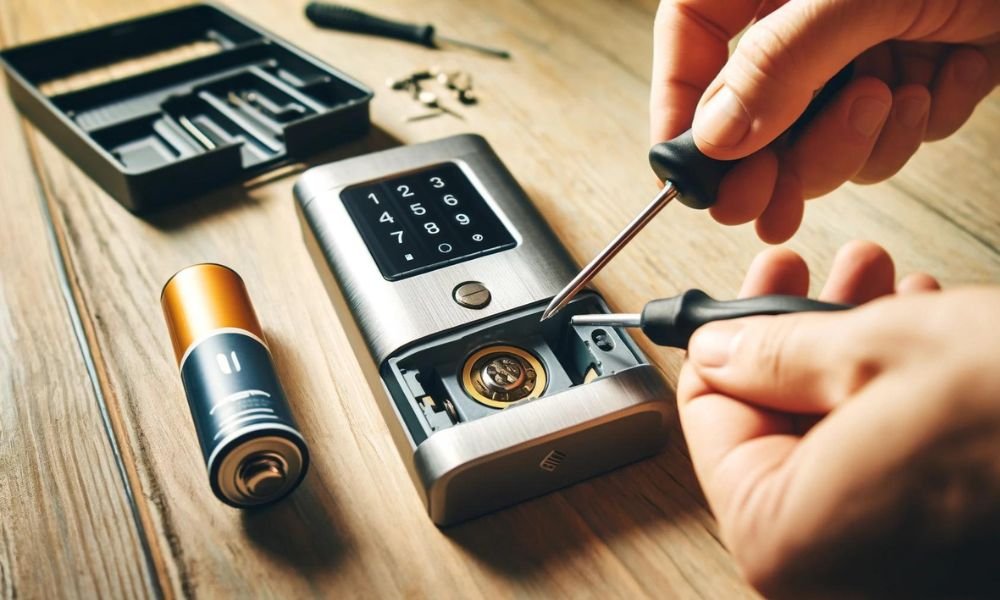
Next, gather your minimal arsenal: usually a small Phillips-head screwdriver and the correct type of new batteries (often AA or AAA, sometimes a 9V, so check your lock's manual or current batteries first). Always opt for good quality, non-rechargeable alkaline batteries for reliable performance and longevity.
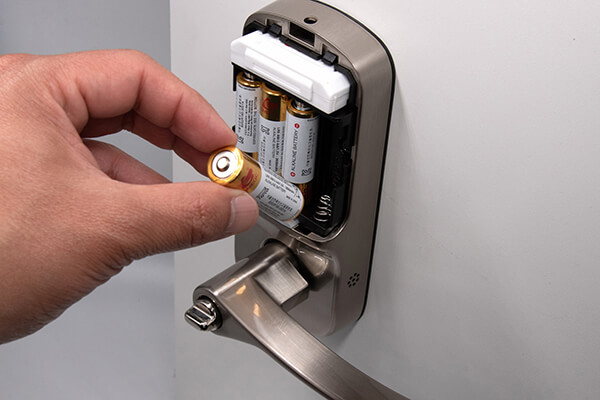
Now, locate the battery compartment. On most keypad locks, this is on the interior side of the door. You might need to remove a small cover plate or slide open a panel. Some designs require you to take off the entire interior unit by unscrewing a couple of screws – don't panic, it’s usually just two, and the unit will stay in place by friction until you gently pull it away.

Once you’ve exposed the batteries, simply pop out the old ones and insert the fresh ones, paying close attention to the positive (+) and negative (-) terminals. This is crucial! Once the new batteries are in, reseal the compartment or reattach the interior unit. You might hear a quick chime or see the keypad light up, signaling its triumphant return to full power.
Finally, give your lock a quick test run by entering your code. Voila! You've just extended the life of your keyless convenience, ensuring many more months of effortless entry. Changing the battery on your keypad door lock isn't a chore; it's a simple act of maintenance that keeps your everyday life wonderfully, securely, and conveniently flowing.