
How To Bypass The Sensors On A Garage Door

Ever Had Your Garage Door Play Hard to Get? You're Not Alone!
Picture this: It's 7 AM, you're armed with your travel mug, the kids (or pets!) are finally wrangled, and you're ready to conquer the day. You hit the garage door button, and... nothing. Or worse, it starts to close, then rudely decides to open right back up. Sound familiar? It's like your garage door is having a tiny, dramatic tantrum, and often, the culprits are those two unassuming little boxes near the bottom tracks: the safety sensors.
These aren't just decorative bits of plastic; they're the eyes of your garage door opener, designed to keep everyone safe. Think of them as tiny, ever-vigilant referees, always looking for obstructions. If anything breaks their invisible laser beam, they immediately stop or reverse the door. It's brilliant for preventing accidents, but sometimes, these little guardians can be a bit too sensitive, turning a quick exit into a frustrating standoff.
Why Do These Finicky Fellas Act Up?
It's usually not malicious, just a misunderstanding! These sensors operate on an infrared beam – imagine a super-thin, invisible tightrope walker traversing your garage opening. If anything so much as breathes on that tightrope, the show's over! Here are the usual suspects:
Must Read
- Dust Bunnies & Spiderwebs: These are the ninja assassins of the sensor world. A tiny speck of dust or a delicate spiderweb might seem harmless, but to that sensitive infrared beam, it's like a giant brick wall. "Nope, can't see through that!" it declares.
- Misalignment Mayhem: Sometimes, one of those little boxes just gets a bit nudged. A wayward soccer ball, a bumped gardening tool, or even a shifting foundation can throw it off. Now, instead of looking directly at each other, they're playing a game of peek-a-boo, and the beam can't connect. It's like trying to get two shy magnets to look each other in the eye.
- The Sun's Sneaky Rays: Believe it or not, a strong beam of sunlight hitting one of the sensors at just the wrong angle can sometimes trick it into thinking there's an obstruction. It's like the sun is trying to photobomb your garage door's safety picture!
- Debris Disaster: Leaves, small rocks, a rogue toy car – anything that physically blocks the path between the sensors will trigger them. They're not mind-readers, they just know something is there.
So, How Do We Become Garage Door Whisperers and "Bypass" the Bluster?
When we talk about "bypassing" here, we're not talking about disabling safety features permanently – that's a big no-no for obvious reasons! Instead, we're talking about troubleshooting and temporarily overriding the sensor's current fussiness to get your day moving. Think of it as a friendly negotiation.
Step 1: The Visual Sweep (Your Inner Detective)
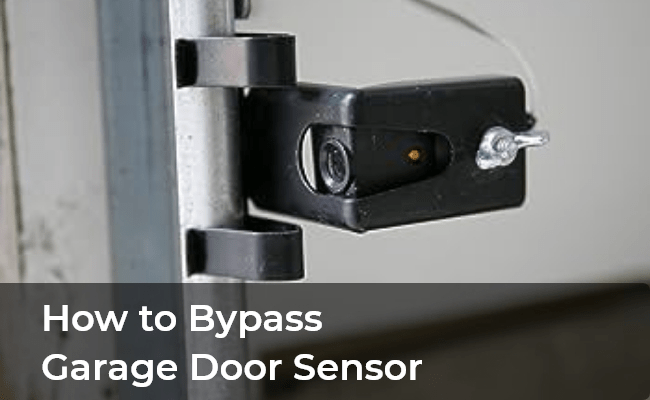
This is your first, best line of defense. Get down low and visually inspect both sensors. Are they covered in cobwebs? Do they look dusty? Are there any leaves or small objects directly in their path?
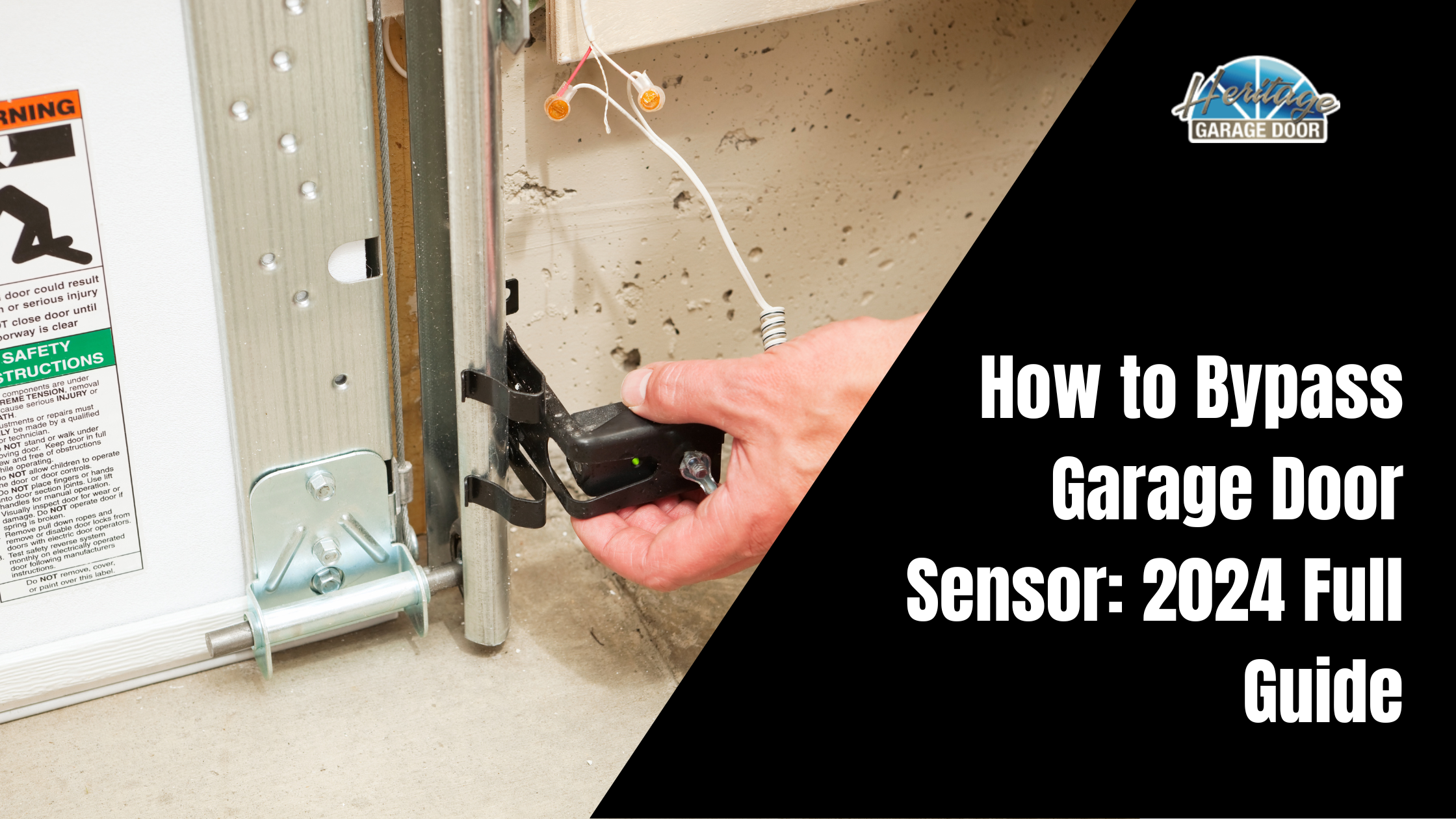
Action: Grab a soft, damp cloth and gently wipe off the lenses of both sensors. Use a broom or your hand to clear any debris. It's like clearing a path for a tiny invisible laser highway – every bit of gunk is a roadblock!
Step 2: The Alignment Adjustment (A Gentle Nudge)
If cleaning doesn't work, one of the sensors might be slightly misaligned. Most sensors have a small indicator light (often green or amber) that tells you if they're "seeing" each other correctly. If one light is off or flickering, you've found your culprit.
Action: Gently push or pivot the misbehaving sensor until its indicator light comes on solid. You might need to make small, subtle adjustments. It's like trying to get two friends to make eye contact across a crowded room – sometimes you just need to guide their gaze! Once both lights are solid, try the door again.

Step 3: The "Hold Down" Override (When You're the Boss)
Okay, this is the actual "bypass" in the sense of overriding the sensor's immediate command. Most garage door openers have a built-in safety feature that allows you to close the door even if the sensors are misbehaving – but it requires constant attention from you.
Action: Go to your wall-mounted garage door button (the one inside your garage). Press and hold the button down continuously. The door should start to close. Keep holding it until the door is fully closed and locked. As soon as you release the button, the door will stop.
When to use this? This trick is super handy if you have a known, temporary obstruction that the sensors can't handle (like you're trying to close the door with a ladder leaning out a tiny bit, or a bag of leaves you're about to move). It's also great for those moments when you've done all the troubleshooting, but the sensors are still being stubborn, and you just need to get the door down. But here's the absolutely crucial part:
WARNING: SAFETY FIRST! When you use the "hold down" method, the garage door's built-in safety features are temporarily disabled. That means if a child, pet, or even your foot is in the way, the door will not stop automatically. So, only use this method when you have a clear view of the door's path and can ensure no one or nothing is in its way. It's like being the designated spotter for a heavy lift – you're 100% in charge of safety!
You've Got This!
Don't let those tiny sensors win the battle of wits! With a quick visual check, a gentle adjustment, and a little bit of common sense, you'll be a garage door guru in no time. So, the next time your garage door throws a fit, you'll know exactly how to soothe its ruffled feathers and get back to conquering your day, coffee in hand!
