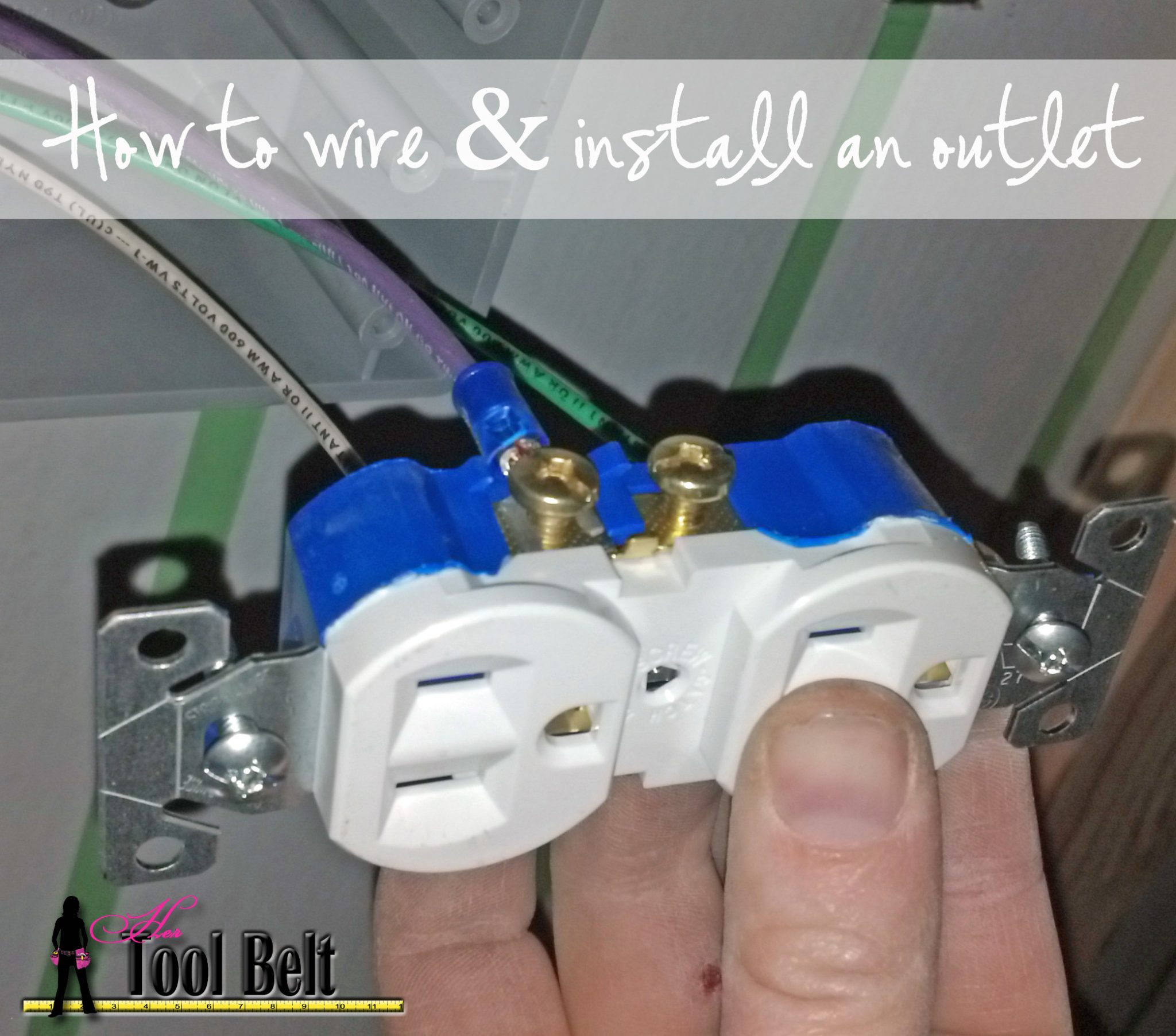
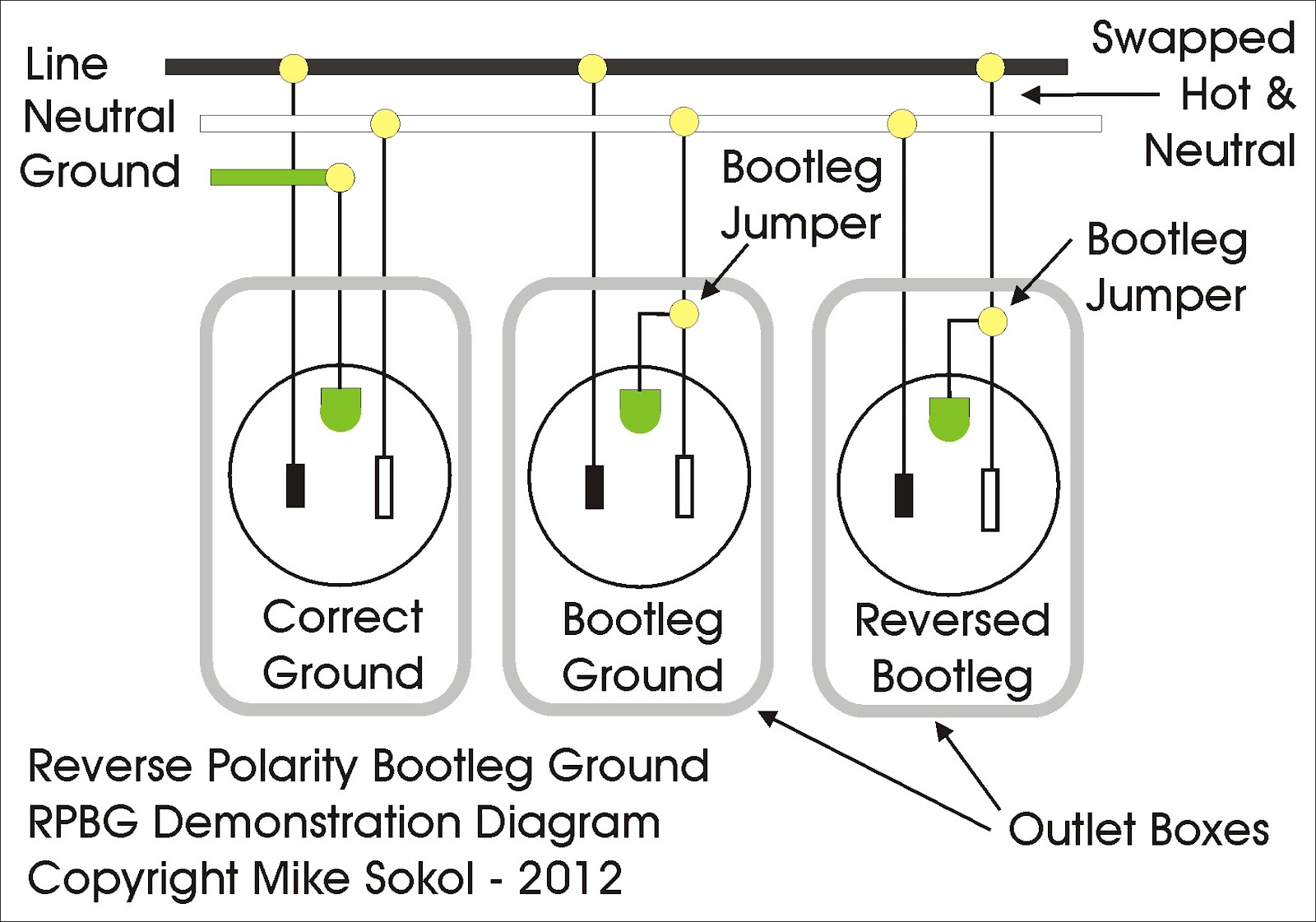
How To Add A Ground Wire To An Outlet
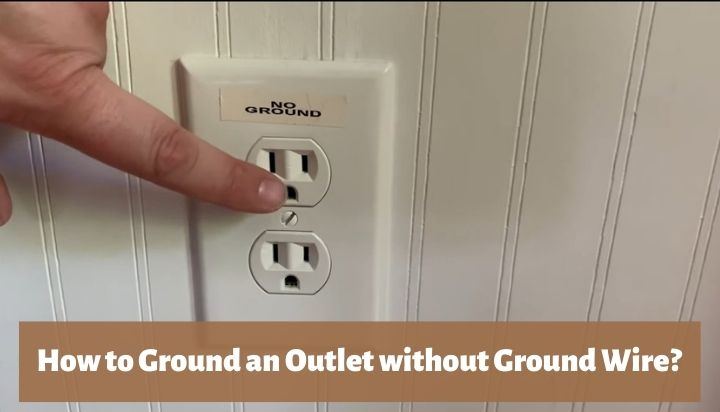
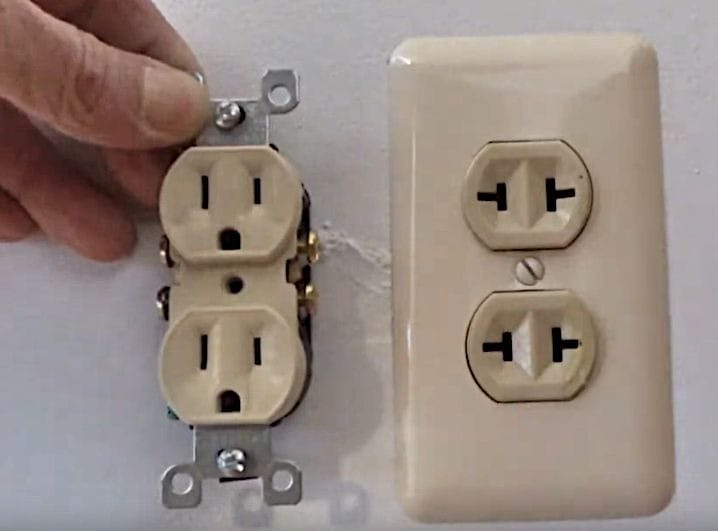
Okay, let's talk electricity. Not in a scary, lightning-bolt-about-to-strike kind of way, but in a chill, "I can totally handle this small home improvement" kind of way. We're diving into the world of ground wires, those unsung heroes of your electrical system. Think of them as the safety net for your devices – and for you! If you've got two-prong outlets and are yearning for the grounded goodness of three, this is your guide. Adding a ground wire can seem daunting, but with the right tools and a little know-how, you can boost your home's safety profile.
Why Grounding Matters (More Than You Think!)
Ever felt a little tingle when touching a metal appliance? That's stray voltage, and it's not a pleasant experience. Grounding provides a path for this stray voltage to safely return to the electrical panel, preventing shocks. Think of it like giving that extra energy a designated route to avoid any unwanted surprises. It's not just about safety; it also helps protect your sensitive electronics from power surges. Like having a bodyguard for your precious laptop.
Fun fact: The concept of grounding dates back to the early days of electricity. In fact, Benjamin Franklin's famous kite experiment, while incredibly dangerous, was essentially an early (and highly risky!) exploration of grounding principles.
Must Read
Gather Your Gear: The Grounding Toolkit
Before you channel your inner electrician, you'll need to assemble your tools. Here's the checklist:
- A Circuit Tester: Absolutely essential to ensure the power is OFF. Treat electricity with respect! Think of this as your lie detector for wires.
- Screwdrivers (Flathead and Phillips): Because screws.
- Wire Strippers: For cleanly removing insulation without damaging the wire. Think of them as tiny wire surgeons.
- Pliers: For bending and manipulating wires.
- Ground Wire (Green or Bare Copper): This is the star of the show!
- Wire Connectors (Wire Nuts): To safely join wires together.
- Outlet Tester: To confirm your work is correct.
Safety First! Always turn off the power to the circuit at the breaker box before you start working. Double-check with your circuit tester. It's better to be overly cautious than to become part of the circuit yourself.

The Step-by-Step: Grounding Made Easy
- Turn Off the Power: Find the breaker that controls the outlet you're working on and switch it off. Test the outlet with your circuit tester to confirm the power is off.
- Remove the Outlet Cover Plate and Screws: Carefully remove the cover plate and unscrew the outlet from the electrical box.
- Inspect the Electrical Box: Look for a grounding screw (usually green) or a pre-existing ground wire. If there's already a ground wire, you're in luck! Simply connect your new ground wire to it using a wire connector.
- If No Ground Wire Exists: This is where it gets a bit trickier. You'll need to run a ground wire from the outlet box to a suitable grounding point. This could be a metal water pipe (check local codes – some require a clamp), the main grounding electrode conductor (usually a thick wire running from your breaker box to a grounding rod), or, ideally, back to the main electrical panel. This is where consulting a qualified electrician is highly recommended. Seriously, don't mess around with this part if you're unsure.
- Connect the Ground Wire to the Outlet: Attach one end of your new ground wire to the grounding screw on the outlet.
- Connect the Ground Wire to the Electrical Box: Connect the other end of the ground wire to the grounding screw or existing ground wire in the electrical box using a wire connector.
- Reinstall the Outlet: Carefully tuck the wires back into the box and re-secure the outlet.
- Replace the Cover Plate: Screw the cover plate back on.
- Turn the Power Back On: Flip the breaker back on.
- Test the Outlet: Use an outlet tester to confirm that the outlet is properly grounded. If the tester indicates a problem, turn the power back off and double-check your connections. If you're still unsure, call an electrician.
Pro Tip: Take pictures of the wiring before you disconnect anything. This can be a lifesaver if you get confused during the process. Think of it as your visual cheat sheet.
When to Call in the Pros
If you're uncomfortable working with electricity, unsure about any of the steps, or if your electrical box is damaged or has unusual wiring, call a qualified electrician. Your safety is worth it. Trying to save a few bucks isn't worth risking an electric shock or a house fire. Electrical work can be dangerous, and it's always better to err on the side of caution.
Cultural Note: In many cultures, the home is considered a sanctuary, a place of safety and comfort. Ensuring your electrical system is properly grounded is a vital part of maintaining that sanctuary.
Adding a ground wire to an outlet isn't just about complying with electrical codes; it's about creating a safer and more comfortable living environment. It's about protecting yourself, your family, and your valuable electronics. Just like regular exercise or a healthy diet, prioritizing electrical safety is an investment in your overall well-being. After all, peace of mind is priceless, and knowing your home is properly grounded allows you to relax and enjoy your space without that nagging worry in the back of your mind.