
How Often To Change Hepa Filter
Hey everyone! Ever wonder about that little filter working tirelessly in your air purifier? Yeah, the HEPA filter. We all know it’s there, promising to snatch up dust bunnies, pollen, and maybe even your grumpy neighbor’s bad vibes. But how often do we actually need to swap these things out? Let's dive in!
Think of your HEPA filter as the gatekeeper of your indoor air quality. It's like the bouncer at a very exclusive club, except instead of only allowing in people wearing the right shoes, it's blocking tiny, microscopic particles. Pretty important job, right?
So, When's the Big Change?
There’s no one-size-fits-all answer, unfortunately. It’s not like changing your oil every 3,000 miles. Several factors come into play, making it a bit of a “choose your own adventure” situation.
Must Read
First, consider the manufacturer's recommendation. Yeah, I know, reading instructions is so boring. But seriously, they often provide a general guideline. This might be somewhere between 6 to 12 months. But that’s just the starting point.
Think about it: a dusty house with pets is going to put way more strain on the filter than a spotless apartment with, say, a pet rock. Speaking of pets, imagine your HEPA filter is like a very diligent lint roller for all that pet dander. A lint roller that you need to replace... eventually.
Air quality is a huge factor. Are you living in a bustling city with lots of pollution? Or maybe near construction? Your filter is going to be working overtime, and you'll probably need to replace it more frequently.
Usage is also key. Do you run your air purifier 24/7, or only when you remember? The more you use it, the faster the filter will clog up. Think of it like this: driving cross-country requires more frequent oil changes than just driving to the grocery store.

Signs It's Time for a Swap
Alright, so you’ve ignored the manufacturer’s recommendation (just kidding… mostly). How do you actually know it's time for a new HEPA hero?
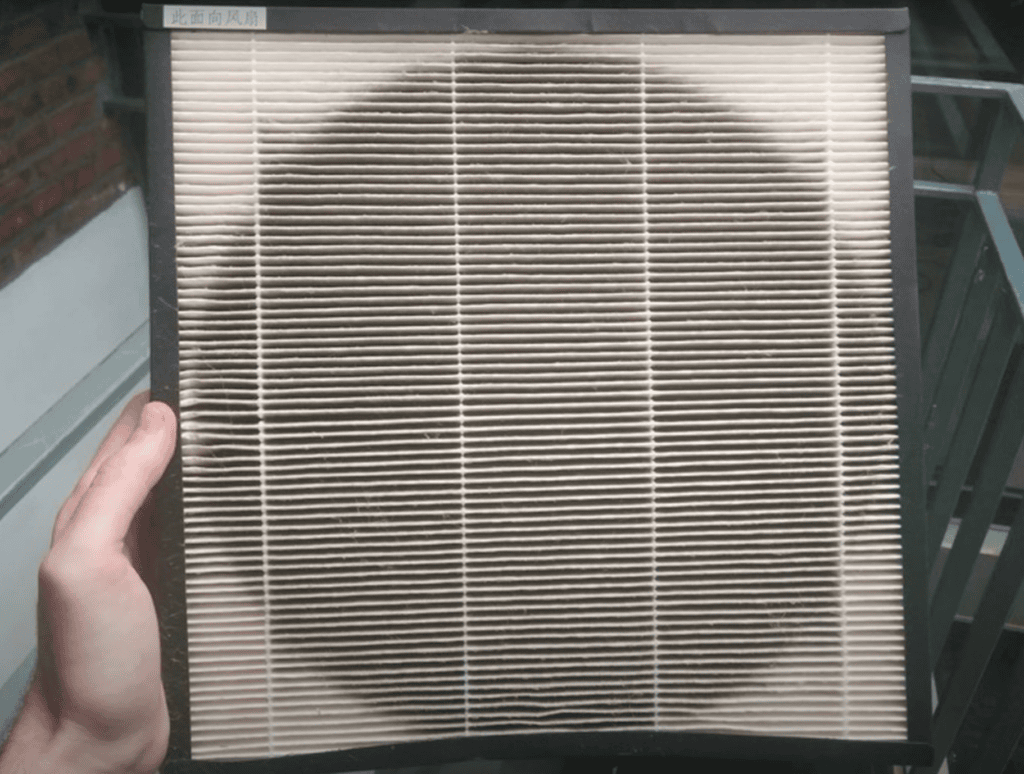
- Visible Dust Buildup: This one is pretty obvious. If you open up your air purifier and the filter looks like it's been attacked by a swarm of dust bunnies, it's time. Seriously, don't wait.
- Reduced Airflow: Is your air purifier sounding like it's struggling? If the airflow seems weaker than usual, a clogged filter is likely the culprit. It's like trying to breathe through a sock – not fun, and definitely not effective.
- Persistent Odors: Notice that your air isn't smelling as fresh as it used to? A saturated filter can lose its ability to trap odors, letting those unwanted smells back into your space. Yuck.
- Allergy Symptoms: Are your allergies suddenly acting up, even with the air purifier running? It's possible that your filter isn't doing its job anymore, allowing allergens to circulate freely.
Sometimes, air purifiers will even have a filter indicator light that tells you when it’s time to change! How cool is that? Technology for the win!
Beyond the HEPA: Pre-filters are Your Friends!
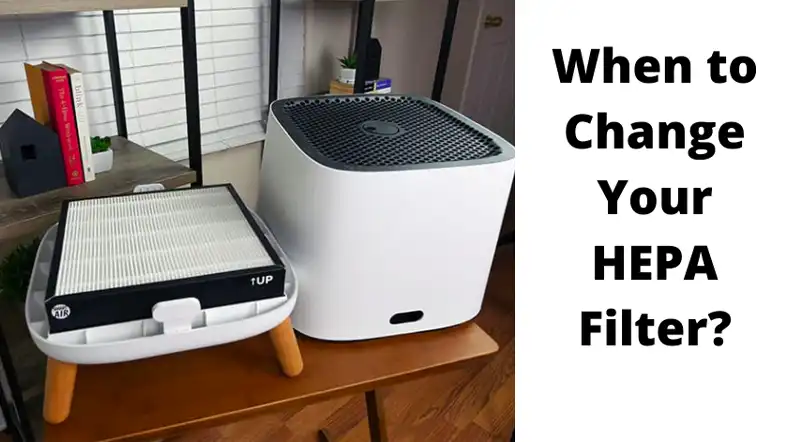
Many air purifiers have a pre-filter. These guys catch larger particles like hair and dust, extending the life of your HEPA filter. Clean your pre-filter regularly! This is usually a simple task of vacuuming or washing it. It’s like trimming your hedges so your trees can thrive.
Keeping the pre-filter clean is a simple way to significantly extend the life of your main HEPA filter. You might think of the pre-filter as the goalie, preventing the HEPA filter, the star player of the air-purifying team, from over-exerting itself.

Don't Skimp on Quality
When you do replace your HEPA filter, be sure to buy a genuine replacement. Cheap knock-offs might not meet the same standards and could actually reduce the effectiveness of your air purifier. Think of it like putting low-quality gasoline in a fancy sports car – it's just not going to perform the way it's supposed to.
Replacing your HEPA filter might seem like a chore, but it’s a crucial part of maintaining good indoor air quality. And good air quality means happier lungs, fewer allergies, and a generally more pleasant living environment. So, go forth and conquer that dust! You (and your lungs) will thank you for it.
Happy breathing!