
How Often Should You Have Septic Tank Pumped
Alright, gather 'round, folks, and let's talk about something truly glamorous, something we all love to discuss over lattes: your septic tank. Yes, that mysterious underground beast that handles all your… well, you know. It’s the unsung hero of your household, quietly doing its business so you don’t have to think about yours. But here’s the rub: you absolutely have to think about it, at least sometimes.
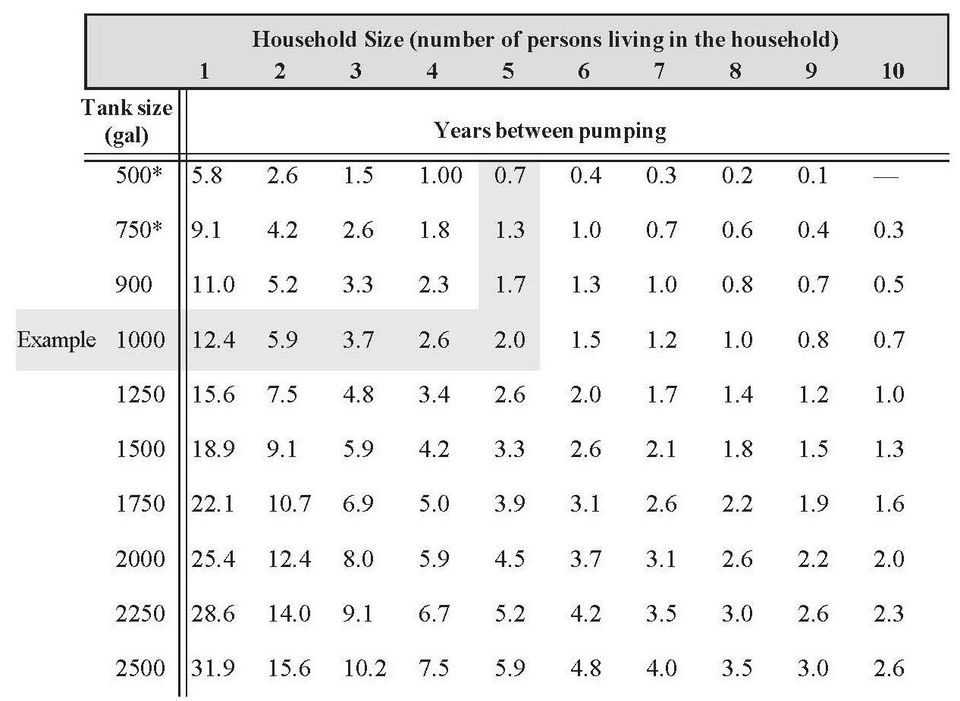
The million-dollar question, whispered in hushed tones at neighborhood barbecues, is: “How often should you have that thing pumped?” Is it a once-in-a-lifetime event? An annual ritual? Or does it operate on some ancient lunar cycle only known to professional "pumpers"? Let's demystify this delightfully murky topic.
The Great Unflushed Truth: Why This Matters
Ignoring your septic tank is a bit like ignoring that weird noise your car makes: it might seem fine for a while, but eventually, you're going to be stranded on the side of the road, or in this case, up to your ankles in something far worse. A neglected septic system isn't just a minor inconvenience; it's a potential disaster that could turn your lawn into a boggy, smelly nightmare and your plumbing into a reverse waterfall of despair.
Must Read
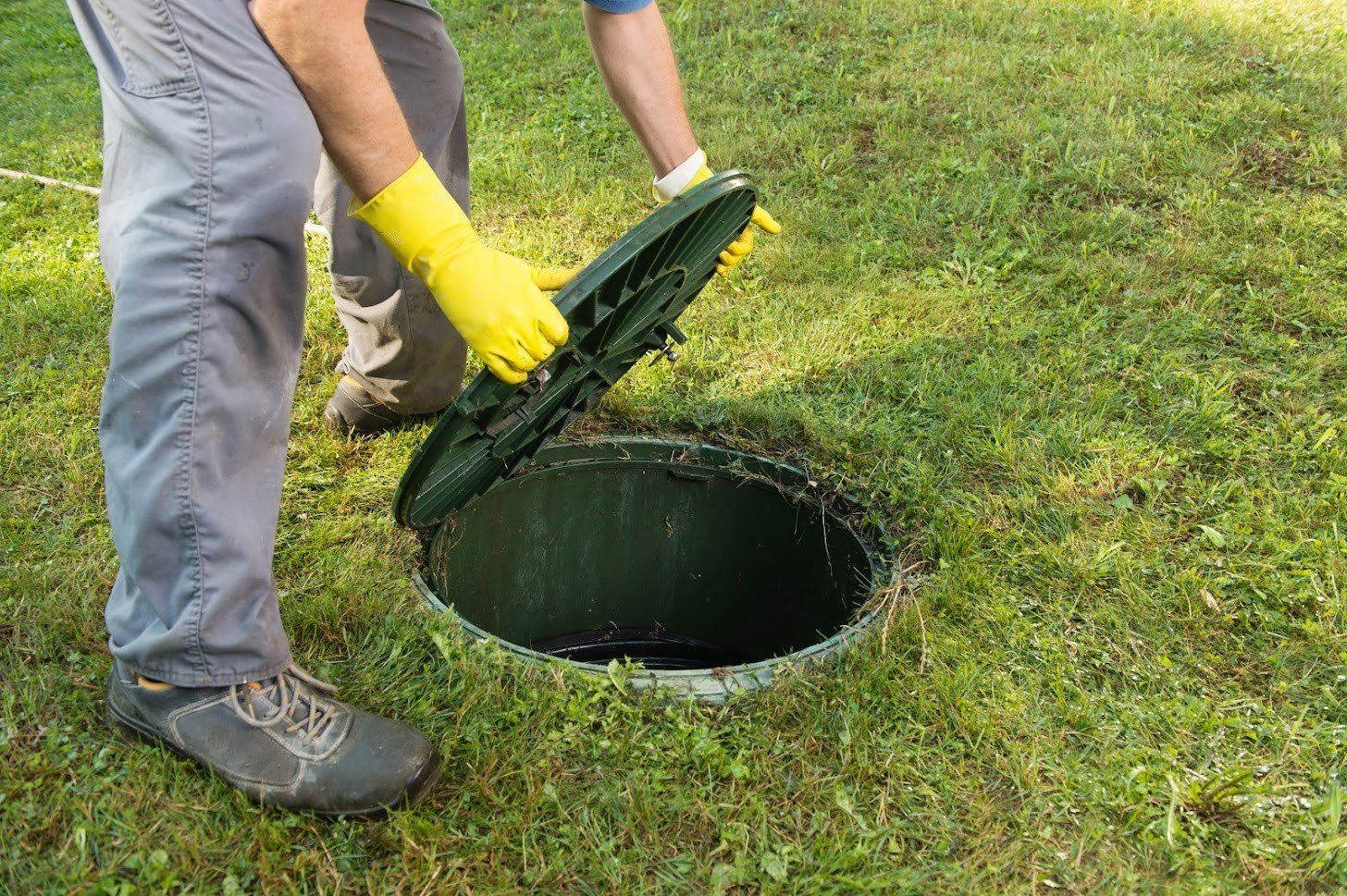
Think of your septic tank as a diligent, if a bit gross, pet. You feed it, it processes things, and every now and then, it needs its litter box cleaned. If you don't, well, the smell becomes unbearable, and it starts making a mess where it shouldn't. Except your septic tank pet is thousands of pounds of concrete and holds hundreds of gallons of… stuff.
The Annoying But Honest Answer: It Depends!
I know, I know. You wanted a magic number. But like the perfect amount of sarcasm in a witty anecdote, the frequency truly depends on a few key factors. And trust me, understanding these will save you a world of hurt (and smell).
-851x315.jpg)
1. Your Household Size: More People, More Poop
This one's pretty straightforward. Are you a single hermit who occasionally uses the toilet? Or are you a bustling family of five, including three teenagers who take 30-minute showers and flush anything that isn’t bolted down? More occupants mean more waste entering the tank, which means solids build up faster. It's simple math, really, just with less pleasant variables.
2. Septic Tank Size: Is Yours a Mini-Fridge or a Walk-In Freezer?
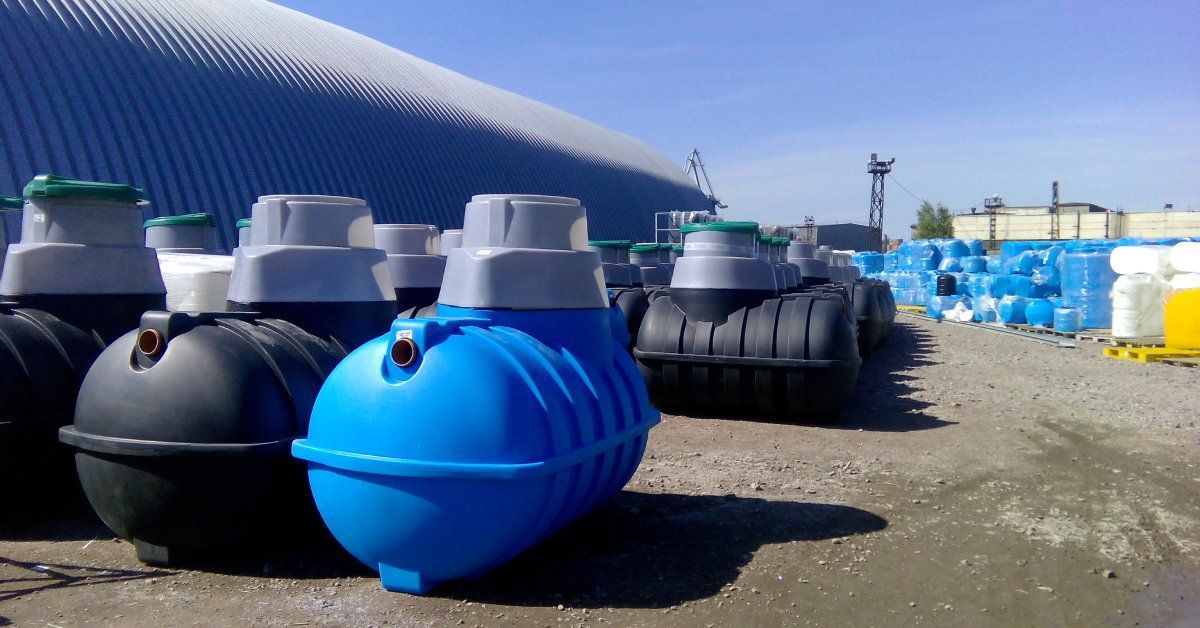
Septic tanks come in various sizes, typically ranging from 750 to 1,500 gallons for residential use. A larger tank has more capacity to hold solids before it needs to be pumped. If your tank is on the smaller side and you have a busy household, you're going to need to call the professionals more frequently. It’s like a bank account: the more deposits you make, the sooner it fills up!

3. Water Usage: The Invisible Culprit
You might think, "It's just water, what's the big deal?" Ah, but it is! Excessive water use (long showers, multiple laundry loads daily, running dishwashers constantly) doesn't just fill up your tank; it can churn up the solids, preventing them from settling properly. This means more solids are pushed into your drain field, which is the system's weakest link and the part you absolutely do NOT want to fail.
4. What You Flush (and Don't Flush!): The Forbidden Kingdom
Your septic tank is not a magical portal to another dimension where things disappear forever. It's a biological system. Flushing anything other than human waste and toilet paper is a huge no-no. This includes wet wipes (even "flushable" ones – they're lying to you!), feminine hygiene products, grease, oil, coffee grounds, cat litter, chemicals, and anything else that isn't biologically degradable. These things don't break down and will rapidly contribute to sludge buildup, turning your septic tank into a very grumpy, overstuffed beast.
The Golden Rules of Thumb (Finally, Some Numbers!)
Okay, with those factors in mind, here’s what the pros generally recommend:
- For the average household (3-4 people) with an average-sized tank (1000-1200 gallons): Plan on having it pumped every 3 to 5 years.
- Smaller tank or larger household (5+ people): You're likely looking at 1 to 3 years.
- Single person or vacation home with minimal use: You might stretch it to 5 to 7 years, but still keep an eye on it.
Think of it as a check-up. You might not feel sick, but a little preventative maintenance can catch a problem before it becomes a full-blown emergency.
Signs Your Septic Tank is Throwing a Tantrum
Your septic tank can't send you an email, but it does have its ways of telling you it's unhappy. Pay attention to these distress signals:
- Slow Drains: Are your sinks, tubs, and toilets draining sluggishly? This is often the first whisper of trouble.
- Gurgling Sounds: That weird noise coming from your pipes after flushing? Your septic tank might be clearing its throat, indicating blockage.
- Foul Odors: A persistent smell of sewage inside or outside your home is a giant, stinky red flag.
- Soggy Spots in the Yard: If there are unexplained puddles or unusually lush, green patches of grass near your septic drain field, it's a sign that effluent is escaping and pooling at the surface. This is bad, very bad.
- Sewage Backup: This is the horror movie climax. When sewage backs up into your house through drains or toilets, you've gone past "needs pumping" and are now in "code red emergency" territory.
The Payoff: Peace of Mind (and No Stink!)
Regular septic tank pumping isn't just about avoiding a catastrophe; it's about prolonging the life of your entire septic system. Replacing a drain field is an incredibly expensive, disruptive, and often smelly project. A few hundred bucks every few years for pumping is a tiny investment compared to tens of thousands for a new system.
So, take a deep breath (preferably not near your drain field right now) and be proactive. Call a reputable septic professional. They can inspect your tank, tell you its size, gauge the sludge levels, and give you a personalized recommendation for pumping frequency. It's not glamorous, but it's essential for a happy home and a stink-free life.
And remember, when it comes to your septic tank, a little attention now means a lot less "OH MY GOD!" later. Cheers to clean plumbing!