
How Often Should I Replace My Carbon Monoxide Detector
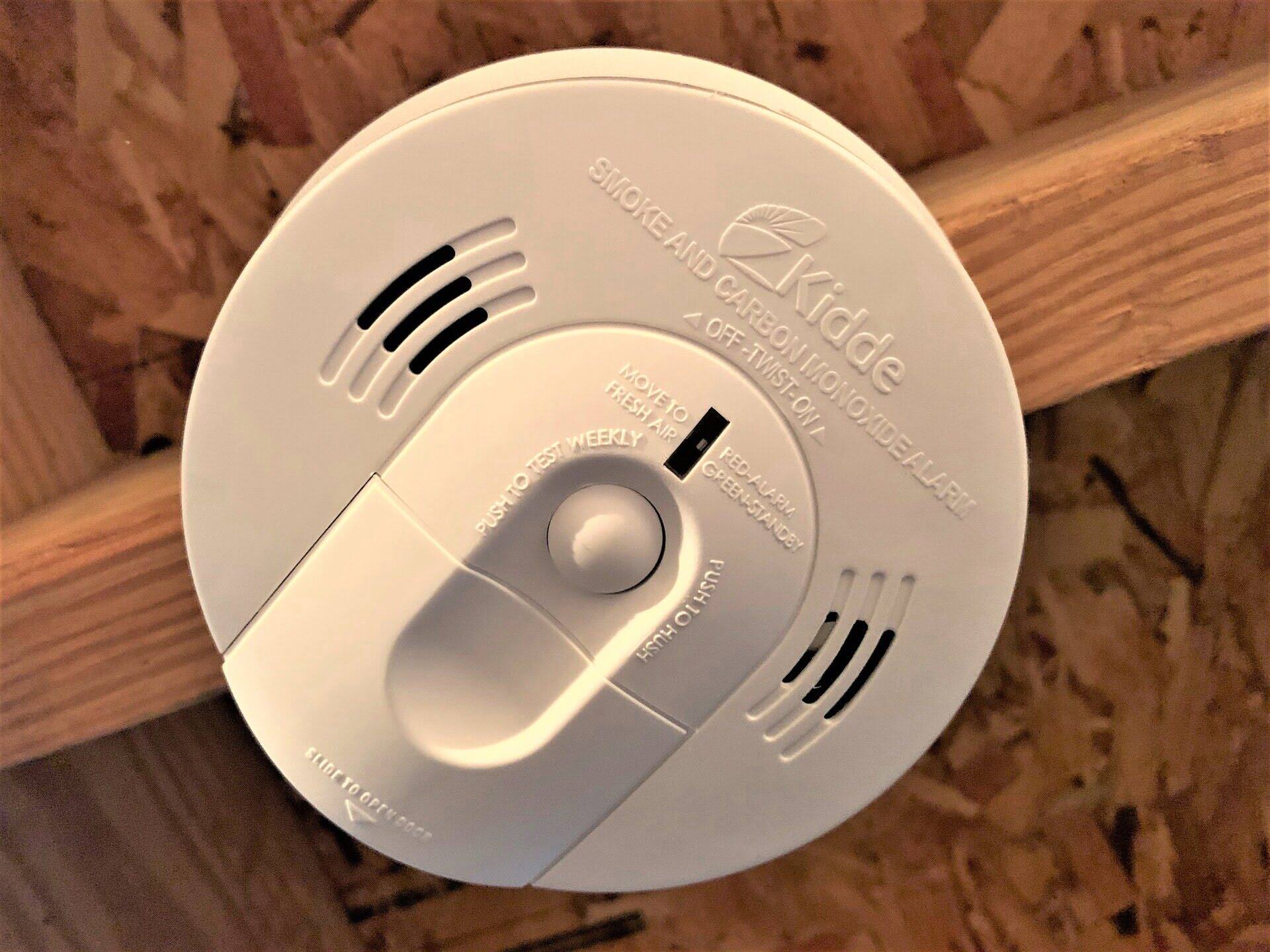
The Silent Sentinel in Our Homes
Ah, home ownership. It's a grand adventure filled with endless to-dos. There are lightbulbs to change, gutters to clean, and that one mysterious drip under the kitchen sink that you swear wasn't there yesterday. Amidst all this domestic bliss, some heroes work quietly in the background.
We're talking about the unsung guardians. The smoke detectors that shriek at burnt toast. The fire extinguishers you hope you never use. And, of course, the ever-vigilant carbon monoxide detector, silently judging your choices from its perch on the wall.
The Great Replacement Mystery
When Did We Even Get This Thing?
Let's be honest. When was the last time you bought a new carbon monoxide detector? Was it when you moved in? Did it magically appear during a previous tenant's deep clean? Or did you, perhaps, receive it as a housewarming gift from a particularly practical relative?
Must Read
Many of us glance at the sleek little box and think, "Yep, still there!" It's easy to assume it's like a sturdy old oak tree, designed to last forever. Like that ancient toaster from college that still, miraculously, browns bread.
But unlike your trusty toaster, a CO detector has a secret expiration date. It's not usually stamped in big, friendly letters on the front. It's often tucked away on the back, a tiny font whispering its mortality.
The Official Word vs. Our Reality (Mostly Playful)
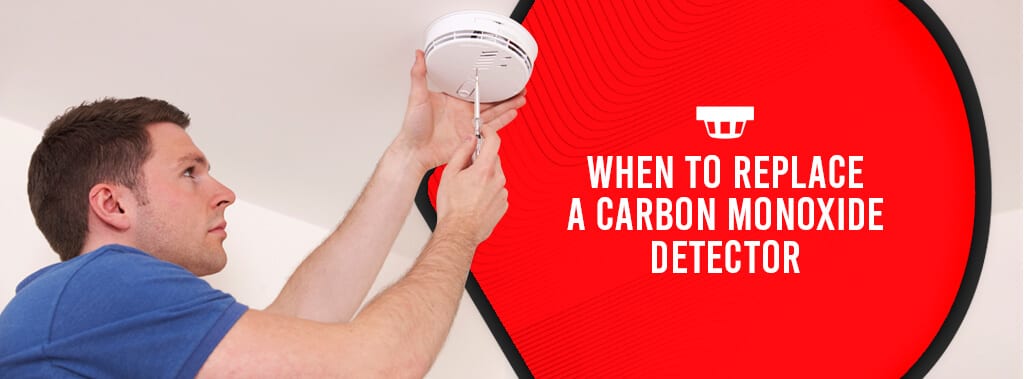
The official recommendation is pretty clear: most carbon monoxide detectors should be replaced every five to seven years. Some fancy ones might stretch to ten. Five to seven years!
For those of us still figuring out how to remember what day of the week it is, that's a lot to keep track of. It feels a bit like asking us to remember what we had for dinner five years ago last Tuesday. My inner monologue often chimes in:
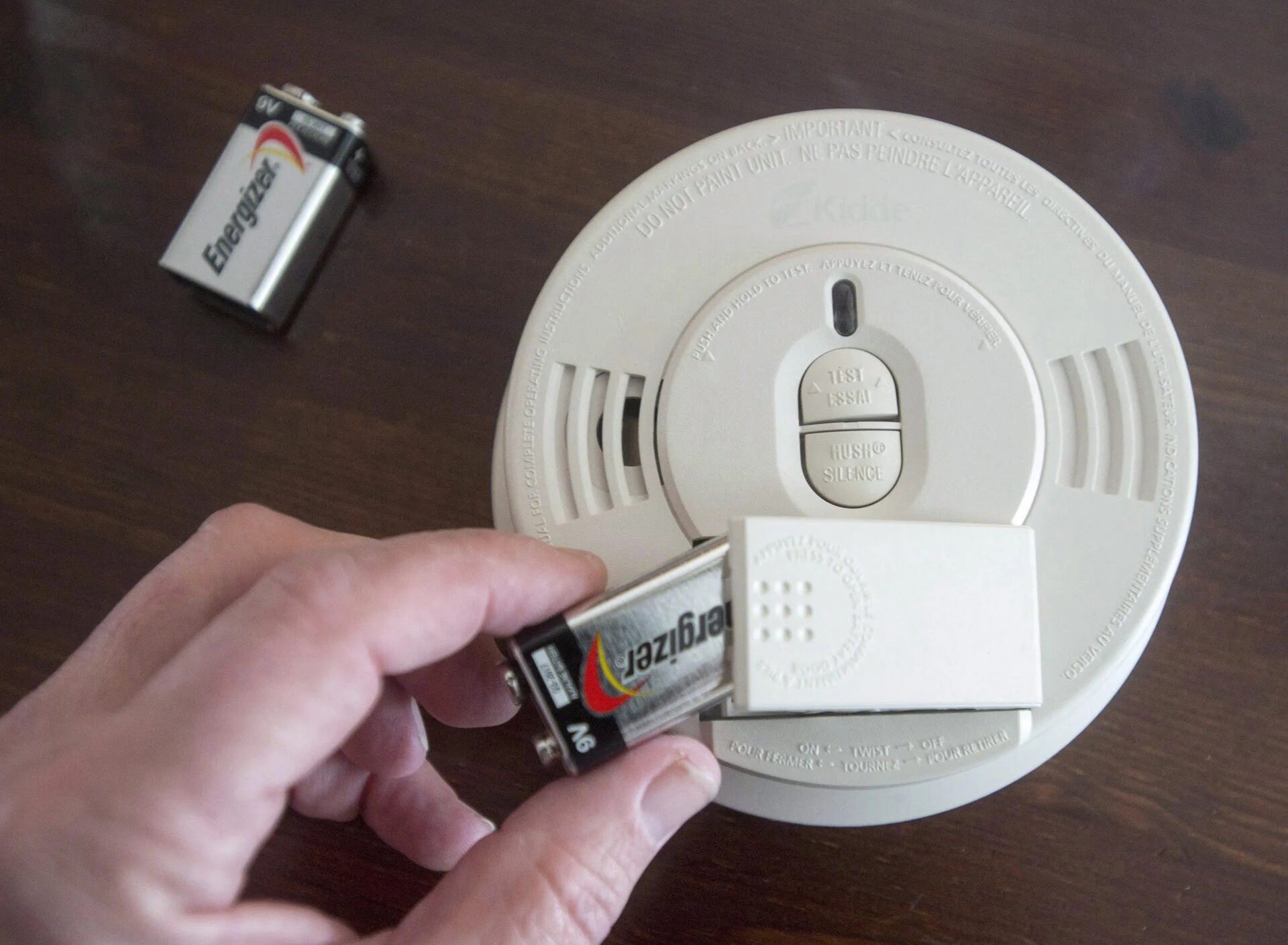
"Five years? But it looks fine! It hasn't complained. Besides, isn't 'good vibes' a form of detection?"
We've all been there, right? You squint at the device. You dust it off. You give it a little pat. "You're doing great, buddy," you whisper, as if encouragement alone will extend its lifespan. This is where our "unpopular" opinion (mostly tongue-in-cheek) begins to bubble.
The Beep, The Blink, and The Dread
The Low-Battery Opera
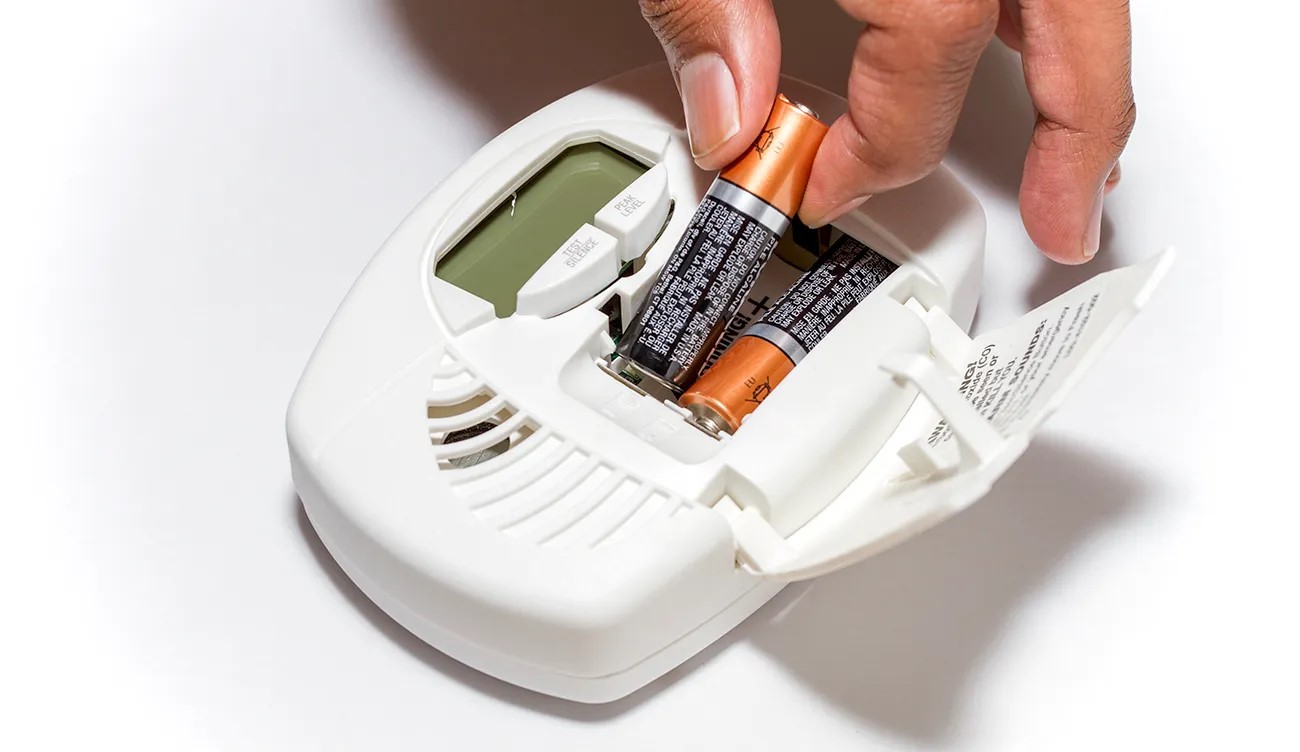
The most common sign of a CO detector needing something is the infamous low-battery chirp. It's a sound designed by mischievous little gnomes to drive you absolutely bonkers. It always starts at 2 AM. Always.
You stumble out of bed, half-asleep, trying to locate the source of the intermittent torment. Is it the smoke detector? The carbon monoxide detector? Is it a ghost with a high-pitched headache? Eventually, you swap out the batteries. And then you think, "Okay, crisis averted! Good for another year, right?"
While replacing batteries is a good start, it doesn't reset the internal clock of the sensor. The sensor itself, not just the power source, has a limited lifespan. It's like putting new tires on a car with a knackered engine. It might look better, but the core issue remains.
Is It Still Working If It's Not Screaming?
For years, your carbon monoxide detector just sits there, silently. No lights, no sounds, no drama. This lulls us into a false sense of security. "If it were broken," we reason, "surely it would tell me!"
But the insidious nature of carbon monoxide is that it's odorless, colorless, and tasteless. That's why the detector is so crucial. It's protecting you from something you can't detect yourself. So, a silent detector might just be a diligently working one, or it might be a very, very tired one that's clocked out without notice.
The lack of an immediate "check engine" light for its internal sensor is truly a design oversight. Perhaps a little blinking light that gradually turns red as it nears retirement would be more helpful. Or a small, polite voice: "My time is almost nigh."
Our Unpopular Opinion (Just Kidding... Mostly)
The "Good Enough For Now" Philosophy
Let's confess: many of us operate on a "good enough for now" philosophy when it comes to certain household items. The CO detector often falls into this category. It's not as flashy as a new smart TV, nor as urgent as a burst pipe.
We've all pushed that "Test" button once in a blue moon. It makes a loud, ear-splitting noise, and we flinch, then declare, "Yup, still works!" But testing the alarm function doesn't test the actual sensor's ability to detect the invisible gas. It merely confirms the speaker is still in shouting condition.
"It beeped really loudly when I tested it! That means it's practically brand new, right? Energy efficient, too, because it hasn't used much power being quiet all these years."
This is the mental gymnastics of modern living. We tell ourselves little white lies to postpone the inevitable chore. It's right up there with "I'll organize the garage next weekend" or "This leftover pizza totally counts as breakfast."
The "It Looks Fine" Test
Visually inspecting a carbon monoxide detector is a bit like judging a book by its cover. It doesn't tell you anything about the sophisticated technology inside. It might look pristine, even after a decade. No dents, no scratches, no visible signs of wear and tear.
But the internal components, the little chemical sensors that are constantly monitoring the air for that silent killer, degrade over time. They get tired. They lose their keen sense of smell, metaphorically speaking. Just like we might need reading glasses after a certain age, these detectors need to retire.
So, while your aesthetic assessment might give it a passing grade, its internal mechanisms might be shouting, "I'M EXPIRED!" in tiny, inaudible code. This is why replacing them based on manufacturer recommendations, rather than how shiny they are, is actually quite important.
The Grand Finale: When Push Comes to Shove
The Moment of Truth
Eventually, the day will come. Maybe you'll notice the faded print on the back. Maybe a friend will ask, "When did you last replace your CO detector?" (The horror!) Or maybe, just maybe, you'll feel a sudden, inexplicable urge to be really on top of your adulting game.
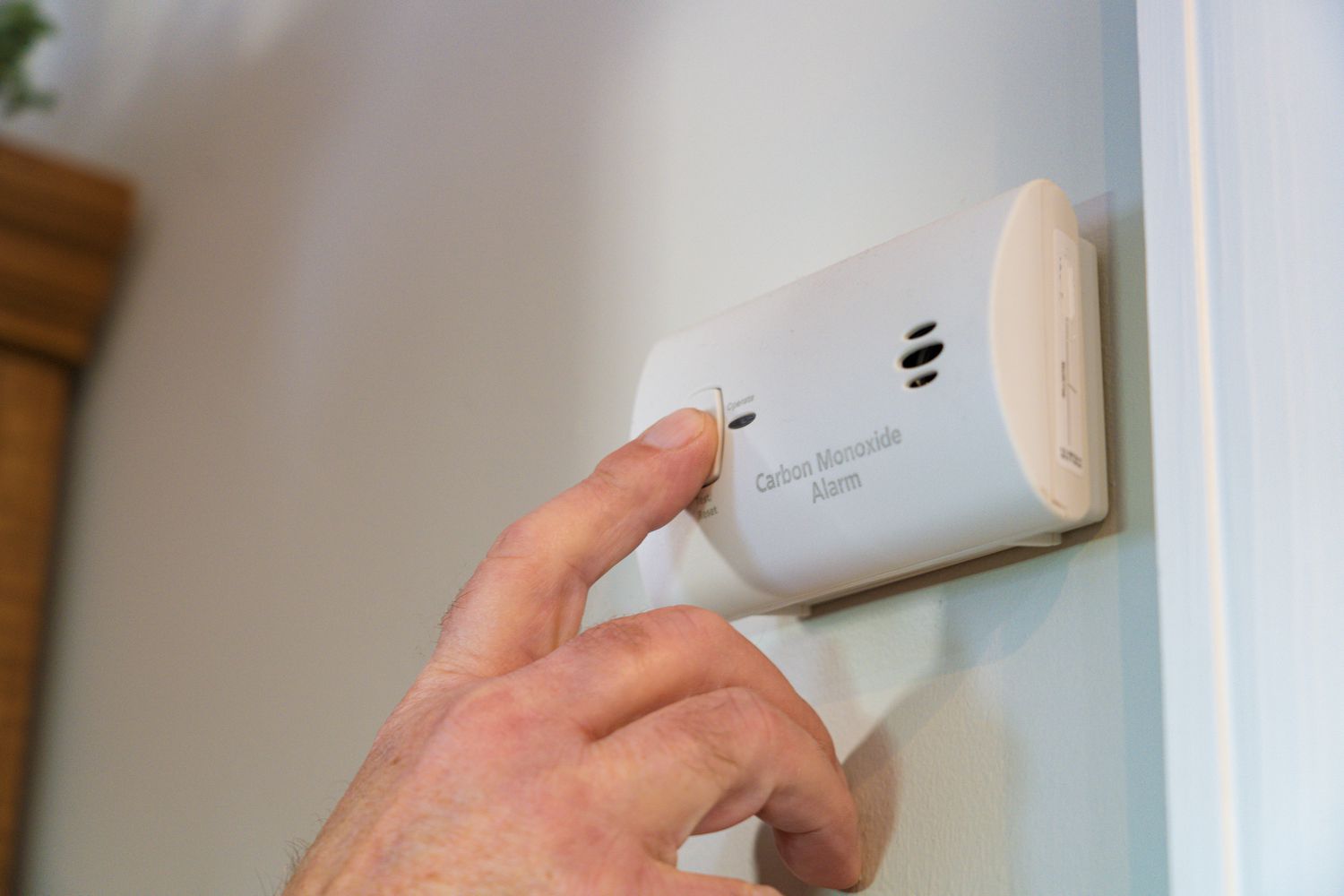
When you finally buy a new one, peel off the protective plastic, and mount it, there's a certain satisfaction. A feeling of accomplishment. "Take that, invisible gas!" you might mentally exclaim. You've proactively protected your household.
And then, you'll probably forget about it again for another five to seven years. It's the circle of life, the cycle of home maintenance, and the eternal dance with forgetfulness.
A Gentle, Playful Nudge
So, how often should you replace your carbon monoxide detector? The real answer, beneath all our playful procrastination, is simply this: follow the manufacturer's guidelines. Usually every five to seven years. Jot it down, set a reminder, tattoo it on your arm if you must.
It’s one of those mundane tasks that truly buys peace of mind. For a relatively small investment and a few minutes of your time, you're safeguarding against something truly dangerous. It means your silent sentinel can keep doing its job, really, truly silently, for many years to come.
Go on, check yours now. We won't tell anyone if it's been a little longer than recommended. We're all in this wonderfully chaotic homeownership journey together, after all.