
How Often Should I Have My Septic Tank Pumped
Alright, let's talk about something that's probably been lurking in the back of your mind (or, well, in your backyard): your septic tank. It's not exactly the star of dinner party conversations, is it? But honestly, this unsung hero of your home deserves a little love and attention. Think of it like the super-efficient, super-quiet cleaner-upper that works tirelessly behind the scenes.
You might be wondering, "Do I even have a septic tank?" If you're not connected to a municipal sewer system, then congratulations, you're the proud owner of your very own mini wastewater treatment plant! And like any hard-working machine, it needs a little TLC to keep humming along happily.
So, What Exactly Is My Septic Tank Doing Down There?
Imagine a really efficient, underground butler for all your household wastewater. Every time you flush, shower, or do a load of laundry, your septic tank steps in. It's basically a large, watertight container where solids settle to the bottom (forming what we lovingly call "sludge") and lighter materials float to the top (the "scum" layer). In between, there's a liquid layer, often called effluent, which then flows out to your drainfield to be naturally filtered by the soil. Pretty neat, right?
Must Read
And here's the cool part: beneficial bacteria within the tank are constantly munching away at those solids, breaking them down. It's a tiny, bustling ecosystem beneath your feet! But even with all that hard work, some solids are indigestible and will accumulate over time. That's where pumping comes in.
The Million-Dollar Question: How Often Should I Have My Septic Tank Pumped?
Ah, the big one! And like many things in life, the answer isn't a simple "every two years, no exceptions!" It's more of a "it depends." Think of it like asking how often you should water your plants – depends on the plant, the pot, the weather, right? Your septic system is similar, with a few key factors at play.
1. How Many People Are in Your House? (The More the Merrier, But Also the More the Waste!)
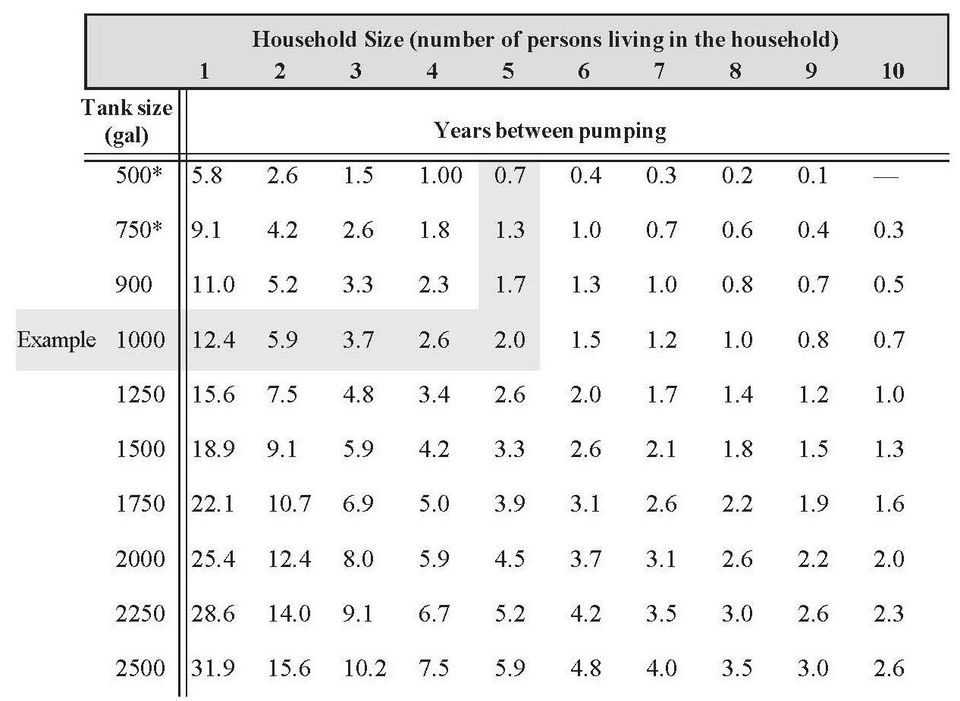
This is probably the biggest factor. A single person living alone will put far less strain on a septic tank than a bustling family of five, complete with teenagers who enjoy hour-long showers. More people means more water usage, more waste, and thus, your tank will fill up with solids faster. It's simple math!
If your home is a revolving door of guests or you've recently had an addition to the family, your septic tank's workload has definitely increased.
2. What's the Size of Your Septic Tank? (Bigger Tank, Longer Wait)
Just like a bigger gas tank in your car means fewer stops at the pump, a larger septic tank has more capacity to hold solids. Common tank sizes range from 750 to 1,500 gallons or more. A 1,500-gallon tank for a small household will naturally need less frequent pumping than a 1,000-gallon tank for a larger family.
If you're unsure of your tank size, it's a good idea to find out! A quick call to your local septic professional or checking old property records might do the trick.

3. Are You Friends with Your Garbage Disposal? (They're Not Always Septic's Best Pal)
We love our garbage disposals for making kitchen cleanup a breeze, but your septic tank might have a love-hate relationship with it. Why? Because all those food scraps that get ground up end up as extra solids in your tank. They don't just magically disappear; they contribute to the sludge layer, making your tank fill up faster.
If you use your garbage disposal frequently, you'll almost certainly need more frequent pumping. It's like giving your septic tank extra homework!
4. What Else Goes Down the Drain? (Be Kind to Your Bacteria!)
Your septic tank's ecosystem relies on healthy bacteria to break down waste. Harsh chemicals like excessive bleach, drain cleaners, antibacterial soaps, or even certain medications can harm these helpful microbes. And please, please, please, avoid flushing anything non-biodegradable like "flushable" wipes (they're rarely truly flushable!), feminine hygiene products, or cat litter. These items don't break down and simply add to the solid build-up.

Think of it as nurturing a pet – feed it good stuff, and it'll thrive! Feed it junk, and it'll get sick.
So, What's the General Rule of Thumb?
Given all those variables, here's a general guideline often recommended by septic professionals:
- Most households, with a typical 1,000 to 1,500-gallon tank and 2-4 occupants, should aim for pumping every 3 to 5 years.
- If you have a larger family (5+ people), a smaller tank, or frequently use a garbage disposal, you might need pumping every 1 to 2 years.
- Single occupants or very rarely used systems might stretch it to 5-7 years, but it's still good to have it inspected periodically.
The best approach is to have your tank inspected annually by a qualified professional. They can measure the sludge and scum layers and tell you precisely when it's time for a pump-out, taking all your unique factors into account.
-851x315-960w.jpg)
Why Bother? What Happens If I Don't Pump?
Neglecting your septic tank is like ignoring that little check engine light in your car. Eventually, something serious (and expensive!) is going to happen. If you don't pump, the solids in your tank will accumulate to a point where they start flowing out into your drainfield.
When this happens, those solids can clog the pipes and soil in your drainfield, preventing it from doing its job. This leads to:
- Nasty Backups: Wastewater backing up into your sinks, tubs, and toilets. (Trust us, you do not want this!)
- Foul Odors: Unpleasant smells permeating your home or yard.
- Soggy Yard: Puddles or unusually lush, green grass over your drainfield, indicating it's overflowing.
- Drainfield Failure: This is the big one. Replacing a drainfield can cost tens of thousands of dollars, far more than regular pumping.
Regular pumping is an investment in your home's health and your wallet's happiness. It prevents small problems from becoming catastrophic, messy, and budget-busting nightmares.
The Takeaway: Be Proactive, Not Reactive!
So, instead of waiting for a gurgling toilet or a smelly yard, be proactive! Treat your septic tank like any other important appliance in your home. Get to know its needs, understand your household's impact on it, and schedule regular inspections and pump-outs. It's a simple, relatively inexpensive task that ensures your unsung underground hero keeps doing its vital job, keeping your home happy, healthy, and stink-free.