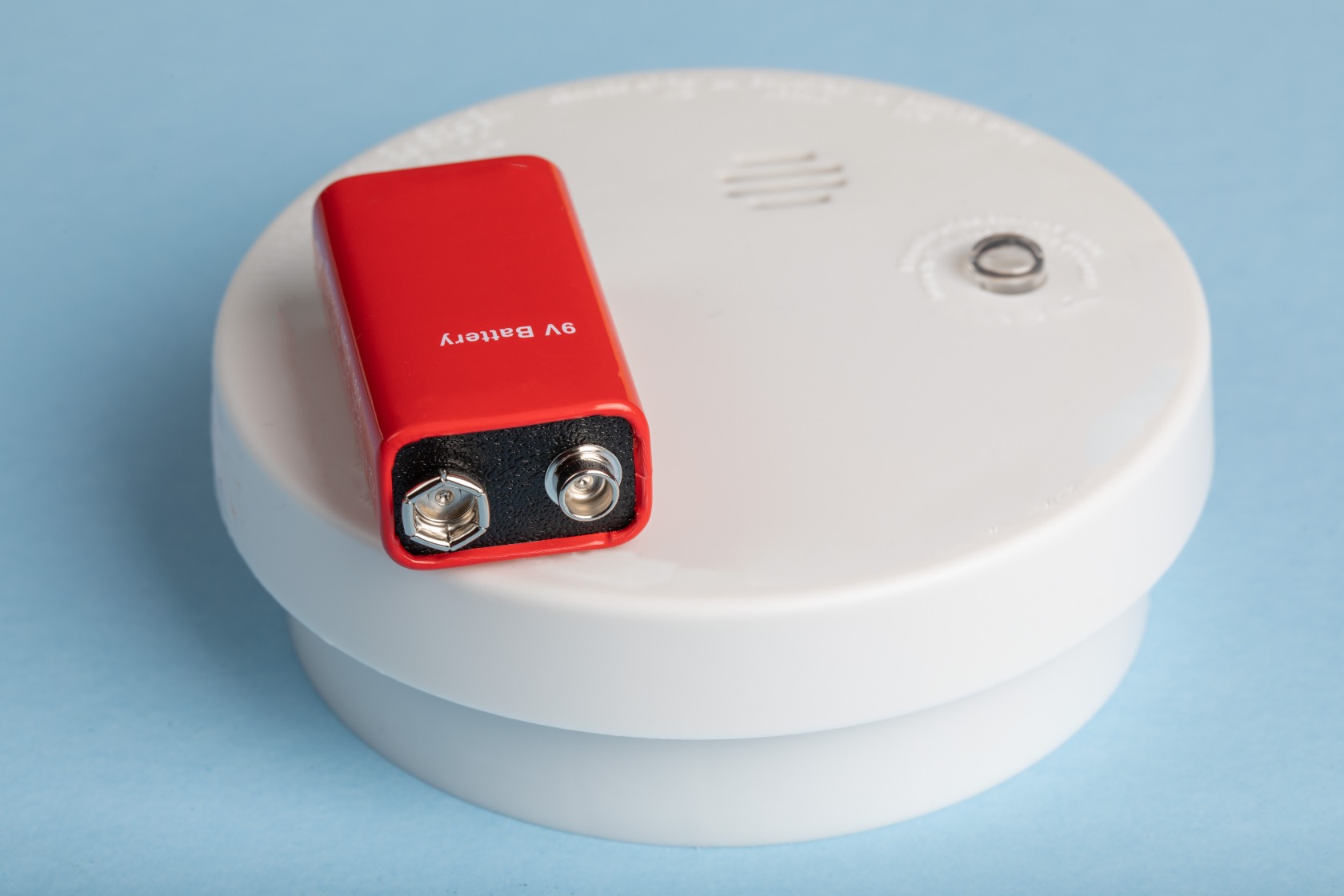
How Often Should Batteries Be Replaced In Smoke Detectors
Emily Chen
Ah, the familiar serenade of a smoke detector. Not the full-blown alarm, but that insistent chirp that always seems to kick in right when you've settled down for the night, or during an important meeting. We've all heard it: that persistent sound turning annoyance into a quest to silence it.
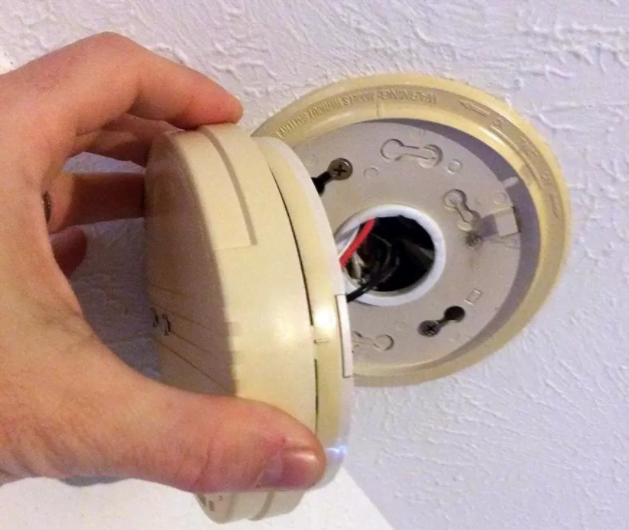
It's a familiar dance: the ladder, the broomstick, the frantic waving, trying to pinpoint the noisy ceiling guardian. Once found, the real quest begins: the battery. What kind? Do I have one? The million-dollar question, whispered while balancing precariously: "How often am I supposed to replace this thing?"
The Surprisingly Simple Truth
Our trusty smoke detectors are like silent superheroes, faithfully standing guard. But even superheroes need power-ups! For a smoke detector, that means a fresh battery. The universally recommended answer might surprise you: replace your smoke detector batteries at least once a year.
Yes, just once a year! Some experts even suggest every six months, aligning with Daylight Saving Time changes. Think of it as a biannual date with safety! This isn't just about avoiding the chirp; it's about ensuring your home’s first line of defense is ready when an actual emergency strikes.
Turning a Chore into a Cherished Moment
Changing a battery might not sound thrilling. It's no Disneyland trip! But what if we reframed it? Instead of a mundane chore, imagine it as an annual act of love. A quiet, powerful gesture of care. Every time you swap that old battery, you're not just preventing a chirp; you're actively protecting the laughter, memories, and lives that fill your home.
How Often Should You Replace Smoke Detectors - SWIS
A family I heard about made battery replacement a tradition. Each year, on a birthday or New Year's Day, they'd go around the house. Kids helped count, parents swapped, then they'd celebrate with a treat. A quirky, heartwarming ritual teaching responsibility and safety.
“It's not just about a battery; it's about peace of mind. It's about knowing you’ve done your part to keep the ones you love safe.”
How Often Should Smoke Detectors Be Replaced? A Homeowner's Guide
The Ripple Effect of a Simple Act
A working smoke detector sets off a chain reaction. Fire starts, alarm blares, giving you precious extra minutes – minutes that mean the difference between a close call and tragedy. It gives your family time to get out safely, time for emergency services, time to preserve what truly matters. That little battery, that simple replacement, holds incredible power.
It's not just about your home. Ensuring your smoke detectors work sets a great example for neighbors, friends, and family. It's a subtle reminder that home safety is a shared responsibility. Perhaps offer to help an elderly neighbor replace their batteries, transforming a small act of maintenance into a heartwarming moment of connection.
A Small Promise with Big Returns
So, next time you hear that infamous chirp, or when the calendar nudges you towards your annual battery swap, don't see it as a hassle. See it as an opportunity. An opportunity to uphold a silent promise to your loved ones: their safety is paramount. Grab a fresh battery, climb that chair, and replace it with a smile. Test the detector – a reassuring beep confirming readiness. It’s a small effort for a monumental return: the peace of mind that comes with a safe home and a protected family. Make it a fun memory, a quick family project, or a moment of quiet reflection. Remember: a fresh battery once a year is a simple, easy, and profoundly impactful way to keep your home's unsung hero ready. Perhaps that annual tradition will become one of your family's favorite, quirky memories.