
How Often For A Synthetic Oil Change
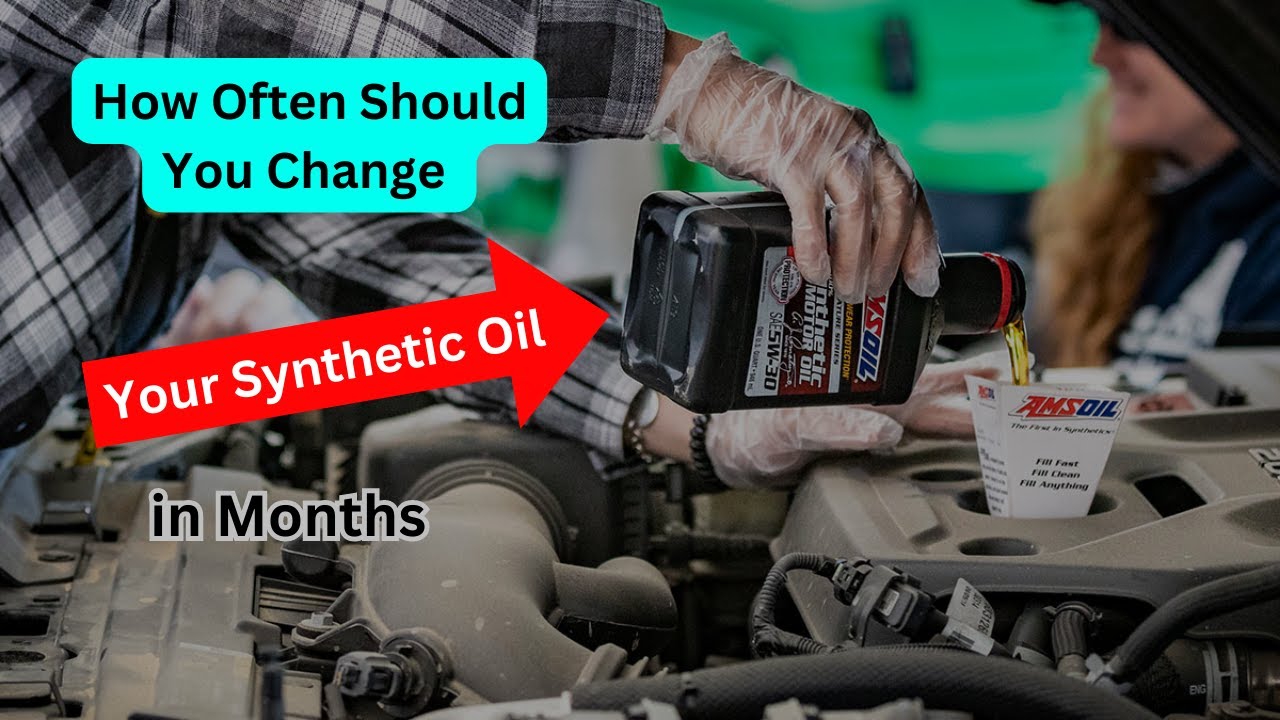
So, you've joined the cool kids club and switched to synthetic oil? Awesome! Now, the burning question: how often do you actually need to get that oil changed? It's not quite as often as your grandma recommends for conventional oil, that's for sure.
The Great Oil Change Mystery
Think of it like this: conventional oil is like a regular coffee. It gets the job done, but it might not last as long. Synthetic oil? That's the fancy, triple-shot espresso. It’s engineered to go the distance and keep your engine purring like a kitten. But even the best espresso needs a refill eventually, right?
The truth is, there's no one-size-fits-all answer. It depends on a few things. Your driving habits, the age of your car, and even the type of synthetic oil you're using all play a role. Let’s unpack this a bit.
Must Read
First, consider your driving style. Are you a lead-foot racer, constantly pushing your engine to its limits? Or are you more of a Sunday driver, gently cruising along? The more aggressively you drive, the harder your oil works, and the sooner it'll need to be replaced. Think of it as going to the gym – the more you push yourself, the more recovery you need.
Next up, your car's age. A brand-new car with a pristine engine will generally be able to go longer between oil changes than an older car with more miles on the clock. That's just the natural wear and tear of life. It's like how a sprightly teenager can run a marathon easier than, well, let's just say someone a bit more "experienced."
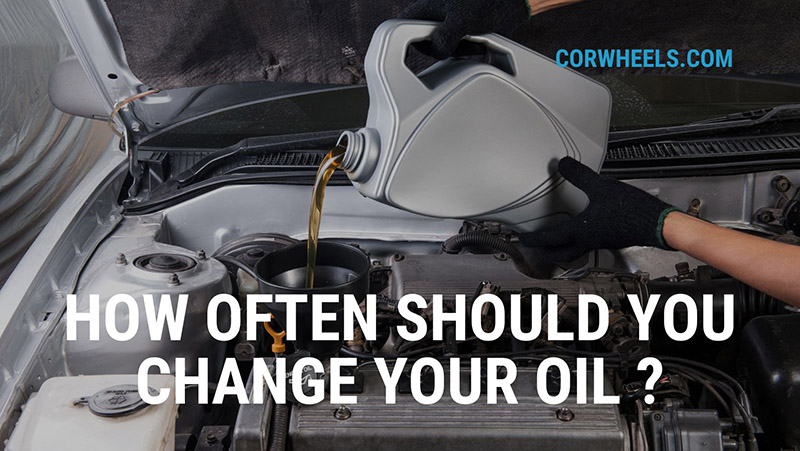
And then there's the type of synthetic oil itself. Some are specifically formulated for extended drain intervals. These super oils are like the marathon runners of the oil world! Be sure to check the manufacturer's recommendations on the bottle. They know their stuff!
Decoding the Mileage Markers
Okay, so what are some general guidelines? Well, most manufacturers recommend between 7,500 and 10,000 miles for synthetic oil changes. Some even suggest going as far as 15,000 miles if you're using a high-quality, extended-performance synthetic oil. Seriously! It’s like magic!
But here's the important part: that's just a guideline. The best way to know for sure is to consult your car's owner's manual. Seriously, dust it off! It's like a secret decoder ring for your car's needs. It’ll tell you exactly what the manufacturer recommends for your specific vehicle.

Also, listen to your car! Is it making strange noises? Is the oil pressure light flickering? These are all signs that something might be amiss, and it could be time for an oil change, even if you haven't reached the recommended mileage. Think of your car as a chatty friend – pay attention to what it’s telling you!
The Dipstick Detective
Don't be afraid to get your hands a little dirty! Checking your oil level and condition is surprisingly easy (and kinda fun, in a nerdy way). Just pop the hood, pull out the dipstick, and take a look. The oil should be a light amber color and free of any gritty particles. If it's dark, sludgy, or smells burnt, it's definitely time for a change. You can even think of yourself as a dipstick detective! How cool is that?

Here's a bonus tip: keep a record of your oil changes. Note the date, mileage, and type of oil used. This will help you track your maintenance schedule and stay on top of things. It’s like creating a scrapbook for your car – a record of all your adventures together!
In short, while synthetic oil offers extended intervals, it's always best to be proactive. Consult your owner's manual, monitor your driving habits, and check your oil regularly. By doing so, you'll keep your engine happy and healthy for years to come. And who knows, maybe you'll even discover your inner mechanic in the process!
So, go forth and conquer the oil change mystery! Your engine (and your wallet) will thank you. Happy driving!
