How Often Does A Fire Alarm Beep When Low Battery
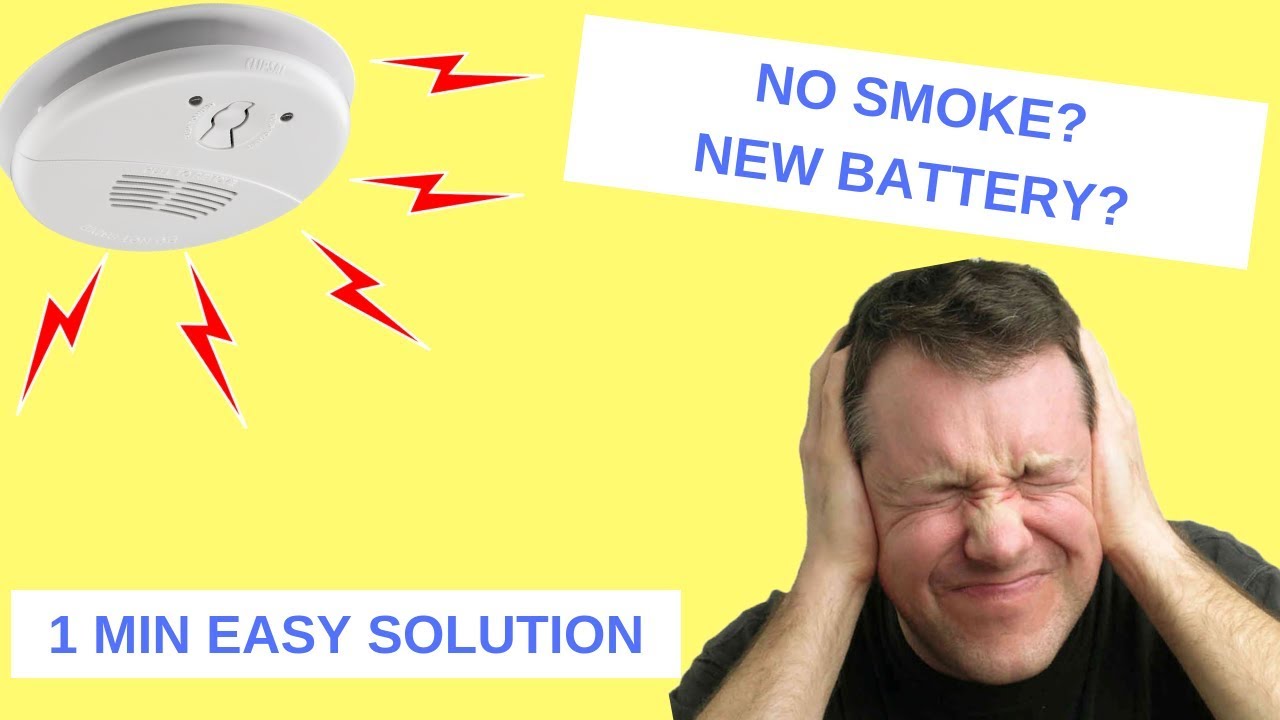
Ah, that mysterious, sporadic chirp! If you've ever been jolted awake in the dead of night by a seemingly random beep from your smoke detector, you're definitely not alone. It’s one of those universal household sounds that can go from mildly annoying to downright infuriating if you don’t understand its language. But instead of just reaching for the nearest ladder in frustration, let’s dive into this little enigma with a bit of curiosity. Understanding why and how often your fire alarm beeps when its battery is low isn't just about silencing an irritating noise; it's about appreciating a clever piece of safety engineering and ensuring your home remains protected.
The primary purpose of that intermittent beep, often called a "low battery chirp," is incredibly simple yet profoundly important: to tell you it's running out of juice. Unlike a continuous wail that signifies a fire, this subtle yet urgent chirp is a distinctive signal designed to grab your attention without causing panic. Most standard smoke detectors are designed to emit a chirp approximately once every 30 to 60 seconds when their battery is low. This consistent, spaced-out signal is a deliberate choice. It’s frequent enough that you’ll eventually hear it, even if you’re not always home, but not so constant that it quickly drains the last vestiges of power, leaving the device completely useless. The benefit? It gives you a crucial window of opportunity – often several days or even a week – to replace the battery before the device can no longer function, ensuring continuous protection for your household. It’s a proactive warning system for your warning system!
In our daily lives, understanding this pattern brings immense peace of mind. Imagine a school where every smoke detector's low battery chirp is quickly identified and addressed. This swift action, often prompted by a student or teacher recognizing the specific sound, ensures the safety of hundreds. Or consider a busy parent who might overlook a continuous dim light indicator, but would certainly notice an audible chirp throughout the day. In educational settings, explaining this function can be a great lesson in home safety, critical thinking, and even basic electronics. It teaches children that not all alarms mean immediate danger, but all alarms require attention. It also highlights the importance of routine maintenance, transforming a confusing sound into an actionable cue.
Must Read
So, how can you explore this phenomenon or simply handle it like a pro? Firstly, listen carefully. The low battery chirp is usually a single, quick beep, distinct from the longer, louder, continuous alarm sound that indicates smoke. If you suspect a low battery, a simple tip is to test your alarm regularly (at least once a month by pressing the test button) to familiarize yourself with its different sounds. When you hear the low battery chirp, act promptly! Have spare batteries on hand for your specific detector type (usually 9V, AA, or AAA). For wired alarms with battery backups, the chirp still means the backup battery is dying, so don't ignore it just because it's connected to power. If you’re feeling extra curious, you could even observe a detector you know has a low battery (perhaps one you’ve already replaced in a less critical area, just for observation) to verify its chirp frequency – you’ll likely find it adheres remarkably well to that once-a-minute rhythm. Knowing this simple fact transforms that annoying beep from a mystery into a clear, life-saving message.