
How Often Do You Have To Pump Septic Tank
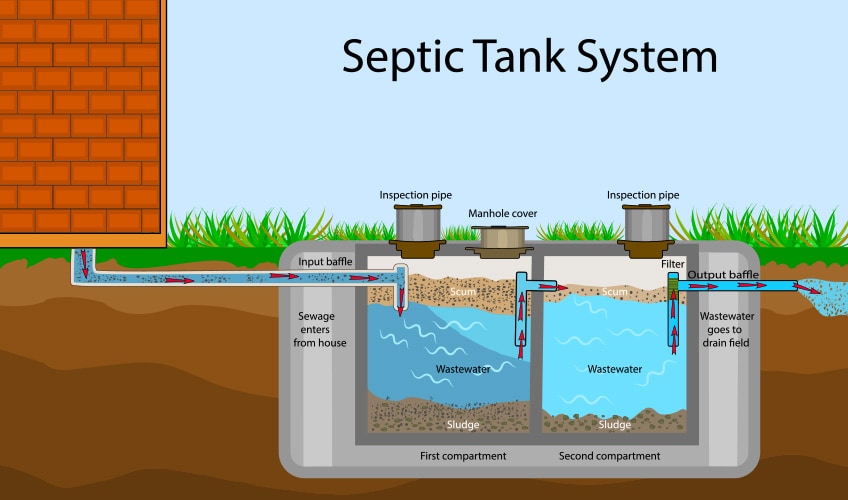
Alright, let's talk about something that rarely comes up at dinner parties, but is a crucial part of being a happy homeowner: your septic tank. It's like the quiet, hardworking superhero in your backyard, diligently handling all the dirty work without asking for much in return. But even superheroes need a recharge, or in this case, a good old-fashioned clean-out.
The big question, the one whispered in hushed tones among new homeowners and pondered during a particularly slow drain, is: "How often do I actually have to pump this thing?" It feels a bit like asking, "How often do I have to clean out my fridge?" – the answer is always, "It depends on how much you're stuffing into it!"
It's Not One-Size-Fits-All, Buddy
If only there was a magical flashing light on your lawn that announced, "Time to pump!" Life would be so much simpler. But alas, there isn't. Instead, we rely on a bit of educated guesswork and common sense, much like trying to figure out if you really need to buy more toilet paper or if there's one forgotten roll hiding in the back of the cupboard.
Must Read
The frequency really boils down to a few key factors, and once you get them, you'll feel like a septic system guru, ready to dispense wisdom at the next neighborhood BBQ (maybe stick to less gross topics at the BBQ, though).
1. How Many People Are You Hosting?
This is probably the biggest variable. Think of your septic tank as a super-efficient underground garbage disposal for your home's wastewater. A single person living in a mansion is going to fill it up a lot slower than a family of five with three teenagers who take 30-minute showers and think "flushable" wipes are actually, well, flushable (spoiler alert: they're not!).
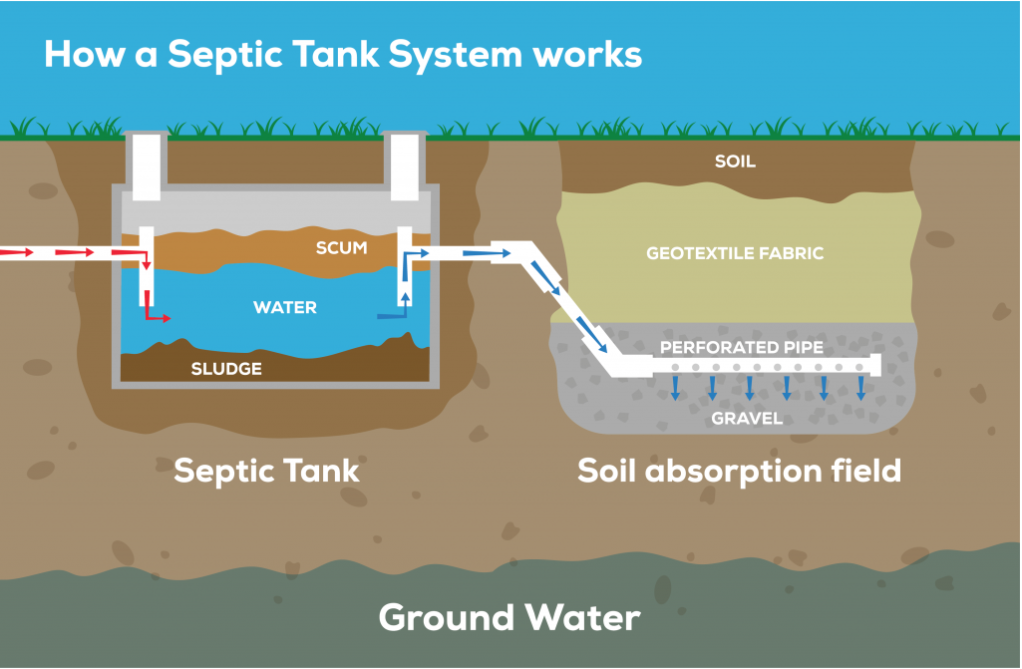
More people equals more showers, more flushes, more laundry, and generally, more of everything heading down the pipes. It’s simple math: more input means more output, and therefore, a quicker need for an empty-out.
2. How Big Is Your Tank's Stomach?
Septic tanks come in different sizes, much like human stomachs (or storage units). A larger tank can hold more sludge and scum before it reaches critical levels. If you've got a dinky 750-gallon tank, it's going to need attention more frequently than a hefty 1,500-gallon behemoth. Knowing your tank's capacity is like knowing how big your dog's food bowl is – it dictates how often you need to refill it.
3. What Are You Feeding the Beast?
This is where personal habits come into play. Your septic system is a delicate ecosystem of bacteria doing the dirty work. Flushing things like excessive grease (imagine pouring bacon fat directly into your bathtub drain – yikes!), harsh chemicals, feminine hygiene products, or those notorious "flushable" wipes can throw off the balance and cause solids to accumulate much faster.
It's like inviting all your rowdiest friends over and letting them trash your house. The cleanup is going to be a lot more intense and frequent! Be kind to your septic tank; it's doing you a huge favor.

Why Bother Pumping? The "Uh-Oh" Moment
You might be thinking, "Can't I just ignore it?" Well, you could, for a while. But eventually, your septic tank will reach its maximum capacity. And when it does, it's not going to be a subtle, polite notification. We're talking about a potential disaster that could involve slow drains, gurgling toilets, foul odors wafting through your yard, or, in a homeowner's worst nightmare, sewage backing up into your house. Trust me, you do not want to experience that particular "uh-oh" moment. It makes a clogged kitchen sink feel like a spa day.
The Golden Rule of Thumb (Mostly)
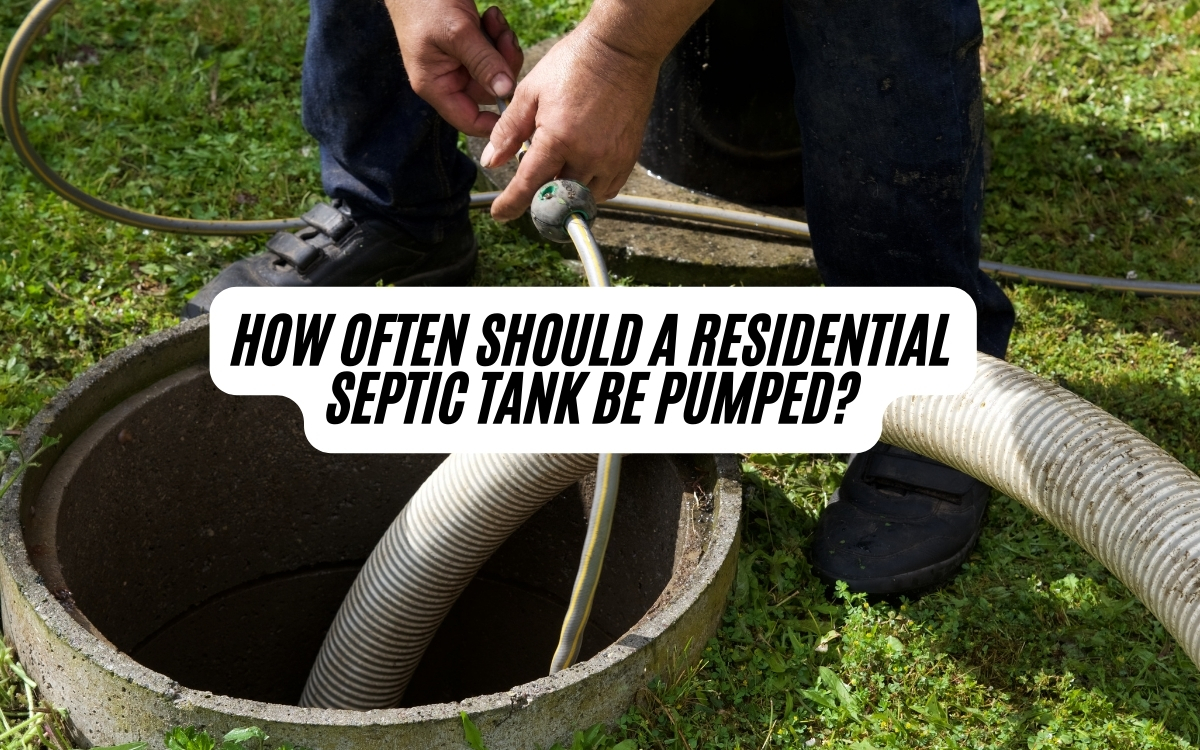
For most average households (think 2-4 people) with a properly sized and maintained tank, the general recommendation is to have your septic tank pumped every three to five years. It's a bit like getting your car's oil changed or scheduling a dental check-up – you know it needs doing, even if it's not the most exciting item on your to-do list.

If you're a heavy water user, have a larger family, or frequently host guests, you might lean towards the shorter end of that spectrum, maybe every 2-3 years. If you're a single minimalist who barely flushes, you might stretch it closer to five.
The best way to know for sure is to keep good records and, if you're unsure, have a professional inspect it. They can tell you if the sludge and scum layers are getting too thick. Think of it as a wellness check for your home's most humble, yet essential, organ.
So, there you have it. Pumping your septic tank isn't the sexiest part of homeownership, but it's vital for a happy, healthy home (and nose). Treat your septic system well, and it will continue to quietly and efficiently take care of business, leaving you free to worry about more pressing matters, like whether you really need to buy that ridiculously oversized inflatable flamingo for the pool.