
How Often Do You Clean A Septic Tank
Deep beneath many homes, quietly working its magic, lies a true unsung hero: the septic tank. It’s a bit like that shy, reliable friend who always gets the job done without ever asking for applause.
Most of us probably don't think about our septic system until, well, we absolutely have to. But understanding its rhythm can save you a whole lot of headaches and even bring a surprising bit of peace.
Imagine your septic tank as a very patient, underground partner. It handles all the dirty work, separating solids from liquids, allowing nature to do its part.
Must Read
The big question often floating around is, "How often do I need to clean this mysterious beast?" You might be surprised, even delighted, by the answer.
It’s not a yearly pilgrimage, like some other household chores. For most residential septic systems, the sweet spot for a professional pump-out is every three to five years.
Yes, you read that right! That’s often far less frequent than people imagine, perhaps even less often than you clean out your gutters or deep-clean your fridge.
Think of it as a long-term relationship, not a series of one-night stands. Your septic tank appreciates consistent, yet infrequent, attention from a professional.
This surprising infrequency is one of the septic system’s charming quirks. It’s a testament to good engineering and nature's incredible ability to process waste.
The exact timing can nudge slightly based on a few factors, but nothing too complicated. It's not rocket science, more like common-sense home management.

For instance, a bustling household with five busy teenagers will naturally fill their tank faster than a quiet couple living on their own. More flushes, more laundry, more water going down the drain means a bit more work for your tank.
It’s simply a matter of volume and usage. A tank in a bustling family home might lean towards that three-year mark, while a serene single-person household might comfortably stretch to five.
Then there’s the size of your tank itself. A larger tank for a smaller family will, of course, take longer to fill up with solids, extending that interval even further.
Think of it like a picnic basket. A bigger basket takes longer to empty, no matter how many hungry mouths are reaching in. It's beautifully logical when you think about it.
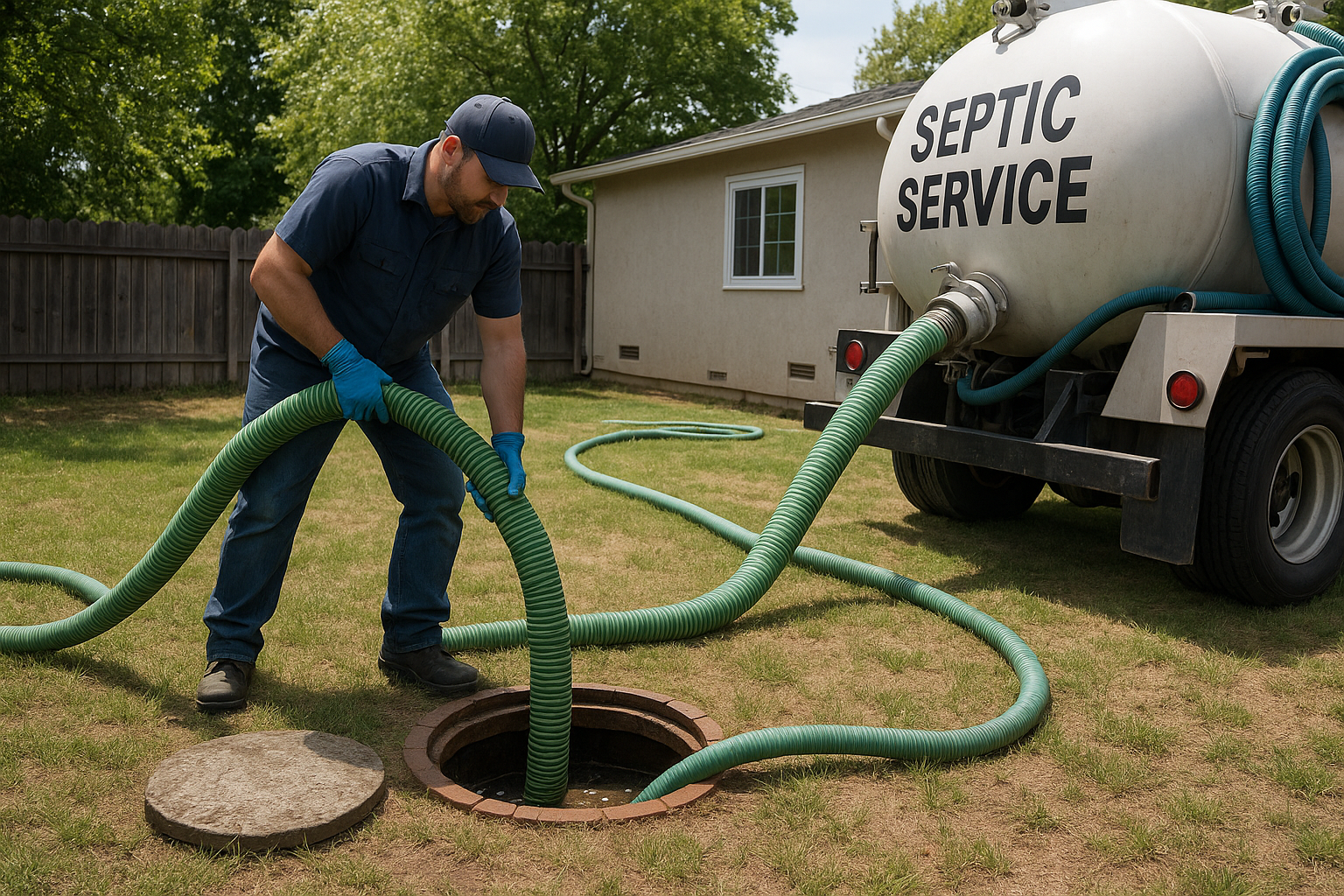
When it is time for a check-up, you’re not expected to don a hazmat suit and dive in. This is where the local septic professionals come into play, your friendly neighborhood "septic whisperers."
These folks are the true heroes of the underground world. They arrive with specialized equipment, ready to give your tank the thorough, gentle cleaning it deserves.

Many homeowners have shared stories about these charming experts. They often have a wealth of local knowledge, knowing every quirk of the soil and water in your area.
"Our septic guy, Frank, knows more about our household habits than my own mother!" chuckled one homeowner, Sarah, from her country home. "He even remembered our dog’s name from five years ago!"
These interactions can turn a potentially mundane task into a surprisingly pleasant one. It’s a reminder that even the most hidden parts of our homes are cared for by dedicated people.
Another common misconception is that you need to be constantly adding mysterious concoctions down your drains. Most experts agree that for a well-functioning system, these additives are simply unnecessary.
Your tank has its own thriving ecosystem of natural bacteria, doing their best work without any extra "boosters." It’s an organic wonder, right beneath your feet!
What’s truly heartwarming about understanding your septic system is the sense of control and peace it brings. No more guessing, no more unfounded worries.

Just knowing that you’re on a sensible, predictable schedule allows you to relax. It’s one less thing to fret about on your endless homeownership checklist.
Consider the alternative: forgetting all about it for too long. That's when your quiet hero might start to grumble, showing signs of distress that are far less pleasant.
Slow drains, gurgling pipes, or even an unpleasant odor wafting from your drain field are your tank’s way of politely, or sometimes not so politely, asking for attention.
But with regular maintenance, these scenarios are easily avoided. You’re simply giving your system a helping hand, ensuring it can continue its important work effortlessly.
It's like giving your car an oil change; you do it at regular intervals to prevent bigger, more expensive problems down the road. Same principle, just a different kind of engine.
Many first-time rural homeowners discover the septic system with a mixture of apprehension and curiosity. It's a rite of passage, learning about this hidden world.
One couple, Mark and Emily, bought their dream farmhouse and quickly learned about their septic system. "We thought it was going to be this big, scary thing," Emily confessed.
"But when we called the local company, they explained it so simply. It felt like uncovering a secret, a really manageable secret." Mark added, "Now we just mark it on the calendar every four years, and that's that!"
So, the next time you hear someone whisper about septic tanks, you can confidently share this surprising truth. It's a low-maintenance marvel, asking for just a little attention every few years.
Embrace the peace of mind that comes with knowing your underground helper is taken care of. It's a quiet testament to a well-run home, operating smoothly, out of sight, and mostly out of mind.
Your septic tank is truly an example of "set it and forget it"… mostly. Just remember that every three to five years, a little TLC goes a very long way.
It's not a chore to dread; it's a simple, infrequent act of care that ensures your home's unseen system continues its vital work, keeping everything flowing smoothly, happily, and hygienically.
So, here’s to the septic tank – the silent, efficient, and surprisingly low-maintenance hero beneath our feet!