How Often Do Car Batteries Need To Be Replaced
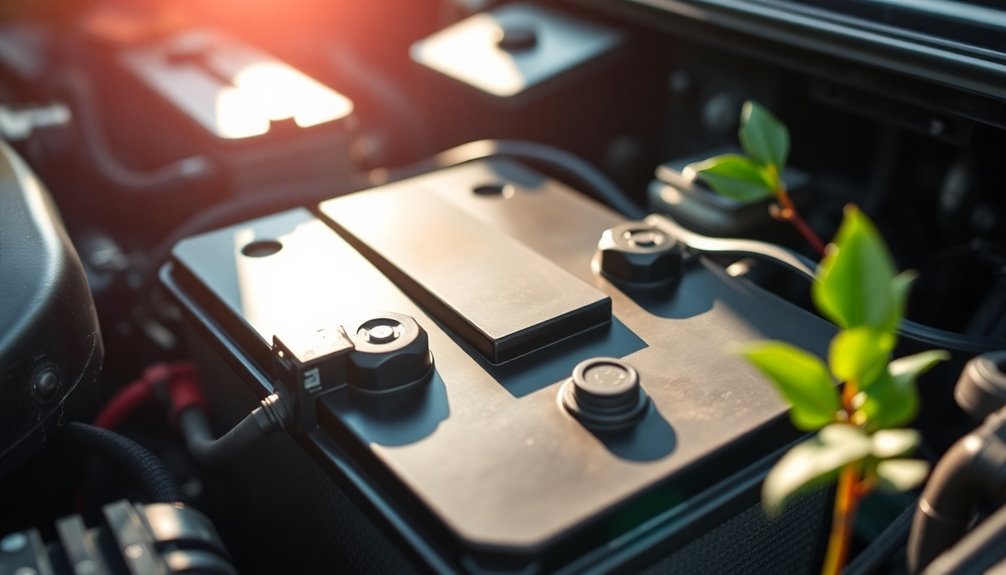
Let's face it, car trouble is rarely "fun," but knowing how to avoid it? That's where the satisfaction comes in! And understanding your car battery is a major key to keeping your ride running smoothly. After all, nobody wants to be stranded with a dead battery, especially on a chilly morning or during a critical commute. So, let's dive into the surprisingly interesting (yes, really!) world of car batteries and figure out how often you actually need to replace them. This knowledge empowers you to stay ahead of the game, save money in the long run, and avoid those dreaded roadside assistance calls.
The whole point of replacing your car battery proactively is to prevent it from failing unexpectedly. Think of it as preventative maintenance for your entire vehicle. A healthy battery ensures your car starts reliably, powers all your electrical systems (lights, radio, AC, etc.), and even supports the performance of your engine. The benefits are clear: reliable transportation, peace of mind, and avoiding costly emergency repairs. Replacing a battery before it dies is generally cheaper and less stressful than dealing with a dead battery at an inconvenient time and location.
So, how often are we talking? Generally, a car battery lasts between 3 to 5 years. However, that's just a guideline. Several factors can influence the lifespan of your battery. Think of it like this: your battery's life is a story, and these factors are plot twists!
Must Read
Here are some of the key players that impact battery longevity:

- Climate: Extreme temperatures, both hot and cold, can take a toll. Heat is a notorious battery killer, accelerating corrosion and reducing its ability to hold a charge.
- Driving Habits: Frequent short trips don't give your battery enough time to fully recharge, leading to sulfation (a buildup of lead sulfate crystals that reduces battery capacity). Longer drives are much kinder!
- Electrical Load: Constantly using power-hungry accessories like heated seats, aftermarket sound systems, or leaving lights on can drain the battery faster.
- Battery Quality: Not all batteries are created equal. Investing in a higher-quality battery from a reputable brand can often extend its lifespan.
- Maintenance: Regularly checking your battery terminals for corrosion and ensuring they are clean can also prolong its life.
To get a better sense of your battery's health, consider getting it tested regularly. Many auto parts stores offer free battery testing services. A simple test can reveal its charging capacity and identify potential issues before they become major problems. Look for signs that your battery might be on its way out, such as slow engine cranking, dim headlights, or a warning light on your dashboard. These are all clues that it’s time to consider a replacement.
Ultimately, the frequency of battery replacement depends on your specific circumstances. But by understanding the factors that affect battery life and being proactive with testing and maintenance, you can maximize your battery's lifespan and avoid those inconvenient breakdowns. So, take care of your battery, and it will take care of you!

![How To Know If Car Battery Needs To Be Replaced [2023]](https://www.mountshine.com/wp-content/uploads/2023/07/When-To-Replace-A-Car-Battery.jpg)