How Often Do Ac Units Need To Be Recharged

Ever sat back on a hot summer day, enjoying that glorious blast of cold air from your AC, and wondered, "How often does this thing need a top-up?" It's a common thought! We're used to cars needing gas, phones needing charging, and even our coffee mugs needing refills. So, it feels natural to assume our trusty air conditioner needs something similar, right?
Well, here’s the fascinating secret, and it might just make you look at your AC in a whole new light:
Your AC unit is not like a car needing gas or a phone needing a daily charge. It actually doesn't need routine recharging!That’s right. It’s one of those amazing home appliances that, when working correctly, is surprisingly self-sufficient in this particular department.
The Cool Truth About Your AC's "Juice"
The "juice" we're talking about is called refrigerant. Think of it as the magic ingredient that travels through your AC system, absorbing heat from your home and then releasing it outside. It's a bit like a tiny, tireless heat taxi, constantly picking up warmth inside and dropping it off outdoors, leaving you with cool, refreshing air.
Must Read
The key thing about refrigerant is that it operates in a closed system. Imagine a sealed loop, like a continuous, never-ending racetrack for this special fluid. It flows, changes state (from liquid to gas and back again), and moves heat. Because it's a sealed system, the refrigerant doesn't get "used up" or evaporate just by doing its job. It simply circulates, year after year, cycle after cycle.
So, When Does an AC Actually Get Recharged?
This is where it gets interesting, and why the term "recharging" sometimes causes confusion. If an AC unit needs more refrigerant, it's not because it naturally ran low over time. Instead, it’s a clear signal of a problem. Specifically, it means there's a leak somewhere in that closed system.
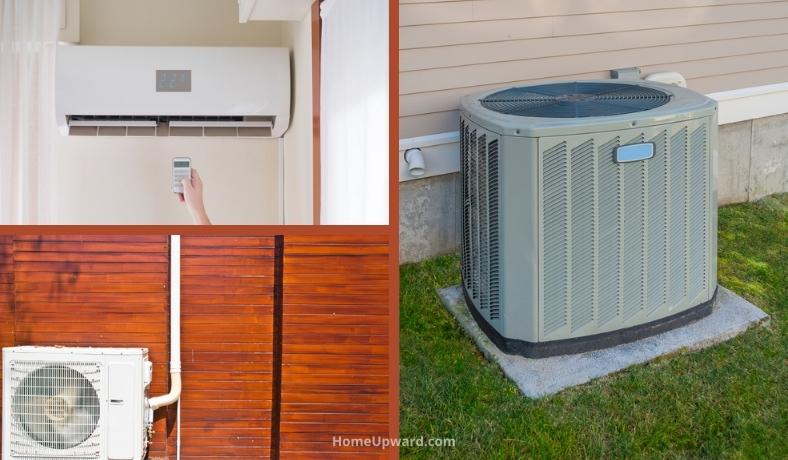
Think of it like a tire on your car. You don't "recharge" your tires every month with more air just because you've been driving. If a tire is losing air, it means there’s a puncture or a faulty valve, and you need to find and fix that leak. Your AC's refrigerant system works exactly the same way. If it's low on refrigerant, there's a hole in the "tire."
The Special Event: Finding the Leak
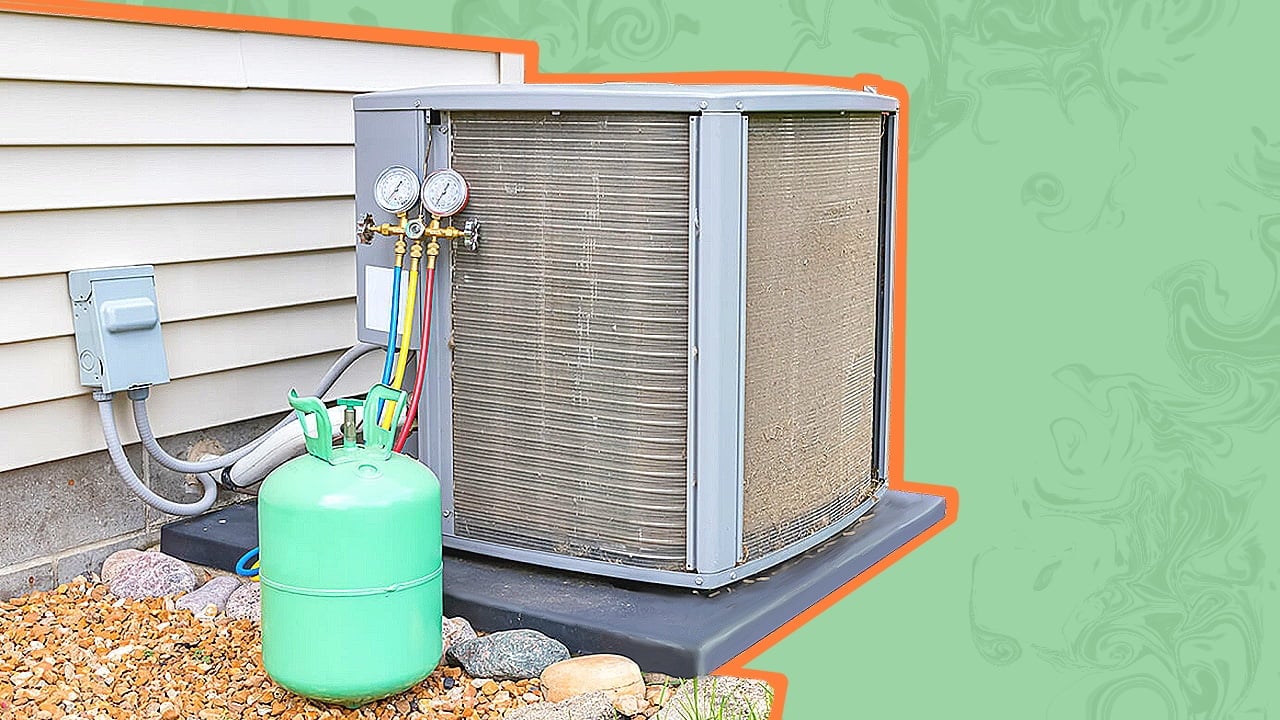
When an AC professional comes to "recharge" your unit, they're not just topping it off like a gas tank. Oh no, it’s a much more involved process. It's like being a detective! They first have to hunt down that elusive leak. These leaks can be tiny, sometimes no bigger than a pinprick, hiding anywhere along the miles of coils and lines that make up your AC system.

Finding a leak is crucial because simply adding more refrigerant without fixing the source of the problem is just a temporary fix. It's like patching a leaky bucket with water – you’ll keep losing the water! A good technician will meticulously search for the leak, repair it, and then (and only then) will they add the appropriate amount of refrigerant to bring the system back to its optimal level. This ensures your AC operates efficiently and reliably for a long time.
Signs Your AC Might Be Playing Detective
How do you know if your AC is experiencing a refrigerant leak and might need this "special" kind of recharge? Here are a few tell-tale signs to watch out for:
- Weak cooling: The air coming from your vents isn't as cold as it used to be, or it just feels lukewarm.
- Ice on the unit: You might notice ice forming on the copper lines or the outdoor unit itself. This is a common symptom of low refrigerant.
- Strange noises: Hissing or bubbling sounds can sometimes indicate refrigerant escaping or circulating improperly.
- Higher energy bills: If your AC is working harder but cooling less, it's consuming more energy.
If you notice any of these, it’s time to call in a professional HVAC technician. They have the specialized tools and expertise to diagnose the problem, find the leak, repair it safely, and properly restore your system's refrigerant levels. It's definitely not a DIY job!
Appreciating Your AC's True Nature
So, the next time you feel that wonderful rush of cool air, remember this: your AC unit is a marvel of engineering. It quietly and efficiently keeps you comfortable without needing constant refills of its vital cooling fluid. Its true beauty lies in its self-contained nature. When it needs a "recharge," it's a significant event, a signal that your hardworking unit needs a little professional TLC to fix an underlying issue.
This understanding can empower you. Instead of worrying about how often to "recharge" your AC, you can appreciate its robust design. And if it ever stops delivering that crisp, cool air, you’ll know it’s time to investigate a problem, not just add more "juice." So go ahead, enjoy that cool breeze, and give a little nod of appreciation to your amazing, largely self-sufficient AC unit!