How Much Weight Can I Lose In 90 Days
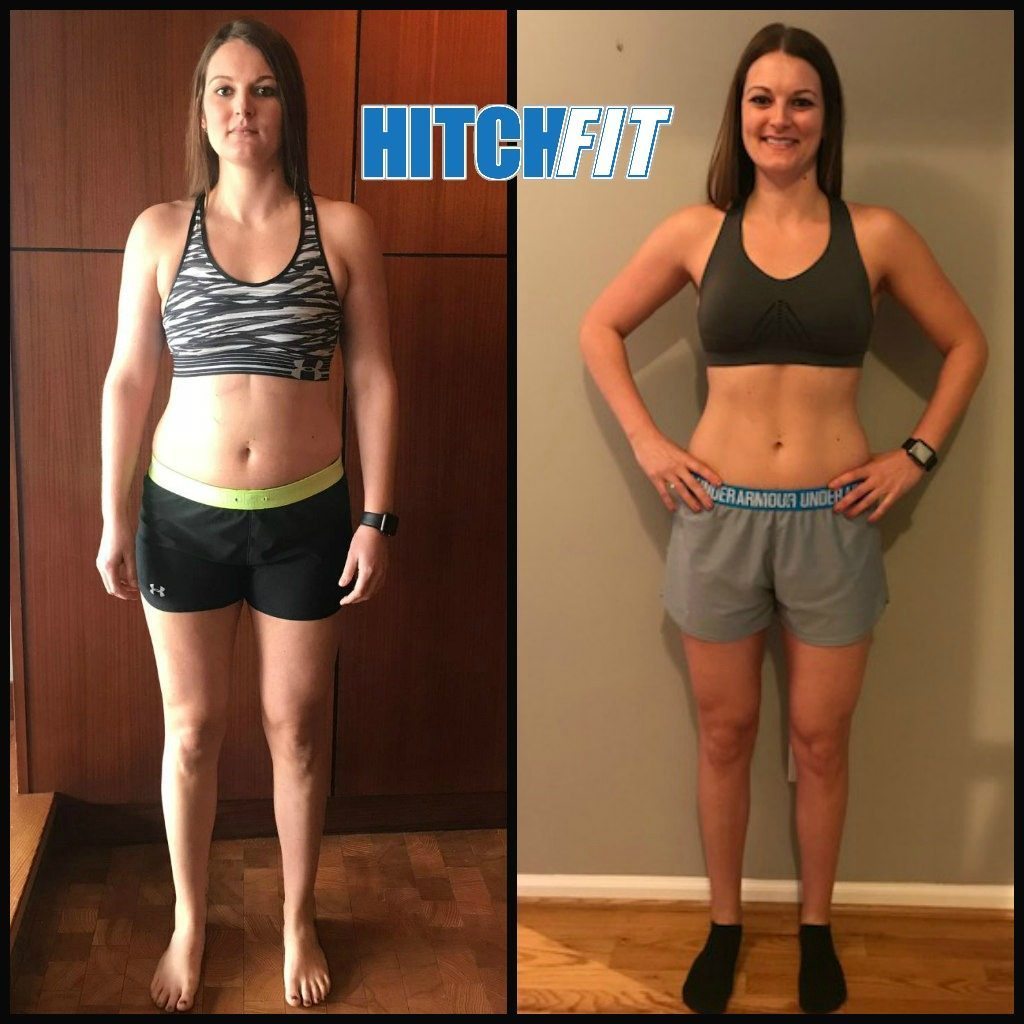
Let's face it, who hasn't dreamt of a significant transformation in a relatively short amount of time? We see those before-and-after photos, hear the success stories, and think, "Could that be me?" Losing weight, especially with a clear deadline like 90 days, is a popular goal because it offers a tangible target. It's exciting! The idea of feeling healthier, fitting into those old jeans, or simply having more energy is a powerful motivator.
Weight loss isn't just about aesthetics; it's about improving your overall health and well-being. Shedding excess pounds can have a profound impact on your life. Think about it: it can reduce your risk of developing chronic diseases like type 2 diabetes, heart disease, and certain cancers. It can also alleviate joint pain, improve sleep quality, and boost your self-esteem. Essentially, losing weight can make everyday life easier and more enjoyable.
The "90-day challenge" concept is applied in many ways. You might see it advertised for specific diet plans, workout programs, or even lifestyle changes. For example, someone might commit to following a ketogenic diet and exercising five times a week for 90 days. Others might focus on portion control and incorporating more fruits and vegetables into their diet. Still others might use a specific app or program designed to guide them through a 90-day transformation.
Must Read
So, the big question: How much weight can you realistically lose in 90 days? Unfortunately, there's no magic number. A safe and sustainable rate of weight loss is generally considered to be 1-2 pounds per week. That means in 90 days (roughly 13 weeks), you could potentially lose 13-26 pounds. However, this is just an estimate. Your individual results will depend on a variety of factors, including your starting weight, metabolism, activity level, and adherence to your chosen plan.

To make your 90-day journey more effective and enjoyable, here are some practical tips:
- Set Realistic Goals: Don't aim for the impossible. A modest but achievable goal is better than an overly ambitious one that sets you up for disappointment.
- Focus on Sustainable Changes: Crash diets rarely work in the long run. Instead, focus on making gradual, lasting changes to your eating habits and exercise routine. Think about swapping sugary drinks for water or taking the stairs instead of the elevator.
- Find an Activity You Enjoy: Exercise shouldn't feel like a chore. Experiment with different activities until you find something you genuinely like. This could be dancing, swimming, hiking, or even gardening.
- Track Your Progress: Keep a food journal, monitor your weight, and take progress photos. Seeing the results of your hard work can be a powerful motivator.
- Seek Support: Surround yourself with supportive friends, family members, or a weight loss group. Having someone to encourage you along the way can make a big difference.
- Listen to Your Body: Don't push yourself too hard, especially when starting. Rest and recovery are just as important as exercise.
- Don't Be Afraid to Adjust: If your initial plan isn't working, don't be afraid to make adjustments. Experiment with different strategies until you find what works best for you.
- Celebrate Your Successes: Acknowledge and reward yourself for reaching milestones, no matter how small. This will help you stay motivated and on track.
Remember, weight loss is a journey, not a destination. Focus on making healthy choices and enjoying the process. With dedication and consistency, you can achieve your goals and create a healthier, happier you in 90 days and beyond! Consult with a healthcare professional or registered dietitian to get personalized guidance and ensure your plan is safe and effective for you.