How Much Power Does Nuclear Power Plant Produce
So, you ever sit there, stirring your cappuccino, maybe wondering how many toaster ovens your average nuclear power plant could run? Or if it could, like, power a small moon? Well, pull up a digital chair, because we're about to dive into the truly bonkers amount of juice these atomic behemoths actually pump out. And trust me, it's a lot more than just keeping your phone charged.
First, let's get our heads around the scale. We're not talking AA batteries here. We're talking about power on a level that could make a small country suddenly glow with newfound energy. If you picture a typical, robust nuclear reactor – not the entire plant, just one big ol' reactor – it's generally cranking out around 1,000 megawatts (MW).
Now, 1,000 megawatts, for those of us who aren't power grid engineers, is often called one gigawatt (GW). And a gigawatt? That’s enough electricity to power roughly 750,000 average homes. At any given moment! Think of your entire hometown, plus the next two towns over, all simultaneously deciding to binge-watch every streaming service known to humanity while also running their dishwashers and charging their electric vehicles. That's one reactor's worth of power right there.
Must Read
The Whole Plant: A Power Party
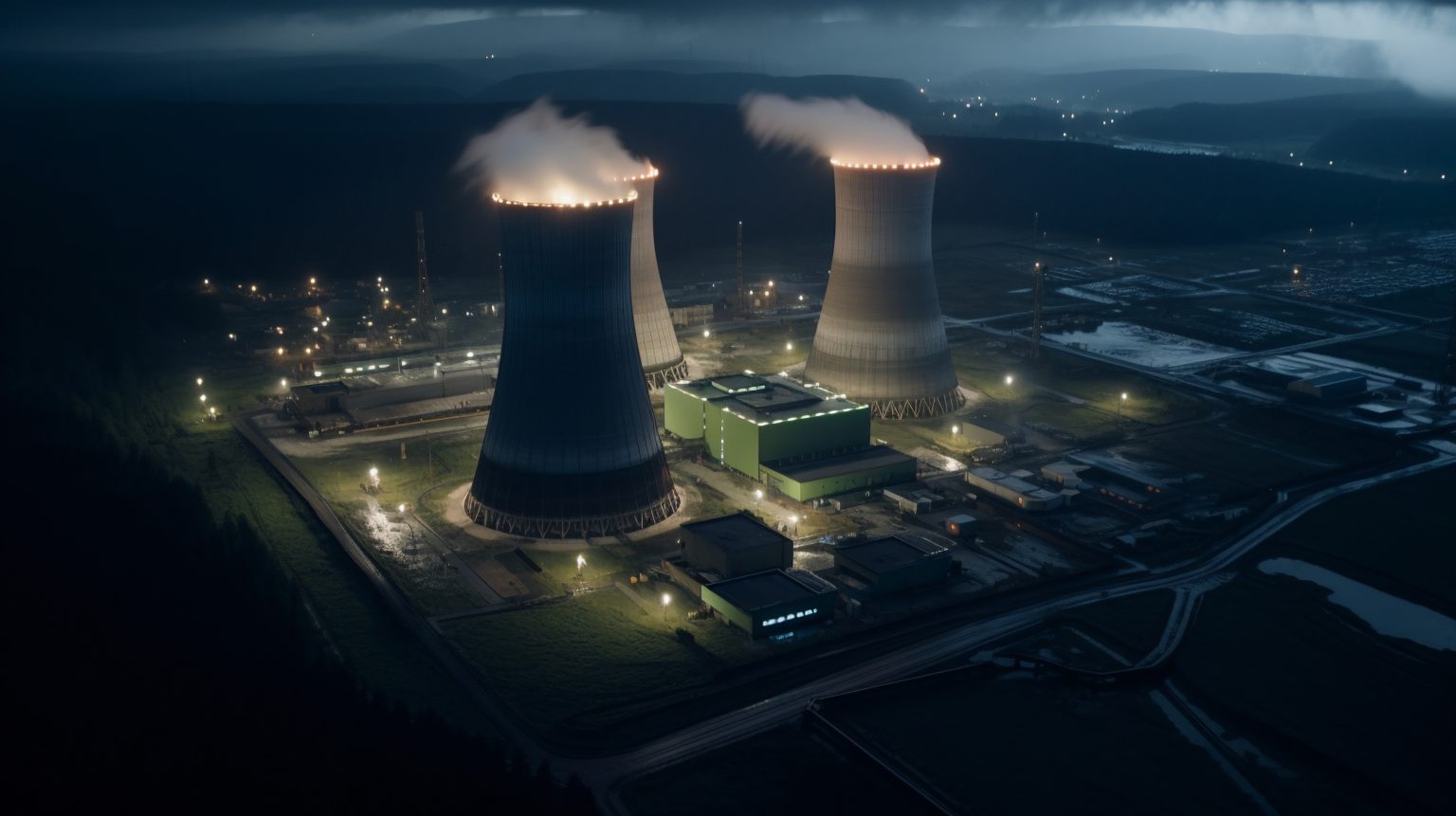
But here's the kicker: most nuclear power plants aren't just one lonely reactor trying its best. Oh no. They’re usually a whole party pack, with two, three, sometimes even four reactors humming along in unison. So, a typical nuclear power plant might be generating anywhere from 2 to 4 gigawatts of continuous, glorious electricity.
To put that in perspective, a 4 GW plant could effectively power a city the size of Chicago. Or a small country deciding to run on pure, unadulterated nuclear enthusiasm. Imagine trying to power that many homes with something else. You'd need a solar farm the size of a small state, or enough wind turbines to make the horizon look like a forest of giant pinwheels.
Seriously, for the same 1 GW output as one nuclear reactor, you'd need about 400 giant wind turbines. And those only work when the wind blows! Or a solar farm covering about 3 million acres – basically, the entire state of Connecticut covered in solar panels, which, by the way, only work when the sun shines. Nuclear power just shrugs and keeps on producing, rain or shine, day or night.
The Tiny Fuel, The Massive Bang
And the fuel that creates all this jaw-dropping power? It's often something no bigger than a gummy bear. A tiny little uranium pellet, about the size of the tip of your pinky, holds the energy equivalent of a ton of coal. Yes, you heard that right. A ton of coal. It’s like discovering that your house cat secretly possesses the strength of a silverback gorilla. It's astonishing!

This incredible density of energy is why nuclear plants are so efficient and can run for so long on a relatively small amount of fuel. They're like the marathon runners of the energy world, just steadily, powerfully churning out electricity without needing constant refuels or ideal weather conditions.
Reliability You Can Set Your Watch To
Unlike your flaky Wi-Fi or that friend who always cancels last minute, nuclear power is incredibly reliable. It doesn't get moody when the sun sets, or the wind decides to take a nap. It's on 24/7, humming along, providing what we call 'baseload power' – the constant, steady supply of electricity that keeps our modern world from, you know, going dark.

So, the next time you flick on a light switch, or your fridge keeps your questionable leftovers perfectly chilled, give a little mental nod to those unsung heroes of power generation. They're not just making tea; they're essentially keeping civilization from having to use candles and carrier pigeons for communication and glow-in-the-dark paint for navigation.
It’s a truly staggering amount of power, elegantly contained and humming away, quietly keeping our modern world lit, warm, and endlessly entertained. So, another latte? Because thanks to nuclear power, we’ve got enough electricity to brew about a gazillion of them. And probably power a small moon, if we really wanted to.