How Much Power Does A Nuclear Reactor Produce

There's something uniquely captivating about the phrase "nuclear reactor." It conjures images from science fiction, whispered conversations about immense power, and a sense of both wonder and mystery. Far from being just a technical marvel, the concept of harnessing the atom represents a pinnacle of human ingenuity, a testament to our relentless drive to understand and shape the world around us. It’s a story of incredible design and engineering, a true marvel that continues to inspire awe and curiosity in countless casual learners and enthusiasts.
For the intellectually curious, understanding the sheer scale of a nuclear reactor's power output offers a profound benefit. It’s not just about megawatts; it’s about grasping the immense energy density locked within the atom. Casual learners gain a deeper appreciation for where our electricity comes from, how vital it is, and the technological leaps required to provide it consistently. While artists might not be sketching reactor blueprints, the implication of such power—reliable, carbon-free energy—directly supports their creative endeavors, powering studios and digital tools. Hobbyists, whether they’re into 3D printing or model railroads, rely on that same consistent grid, indirectly benefiting from every electron generated.
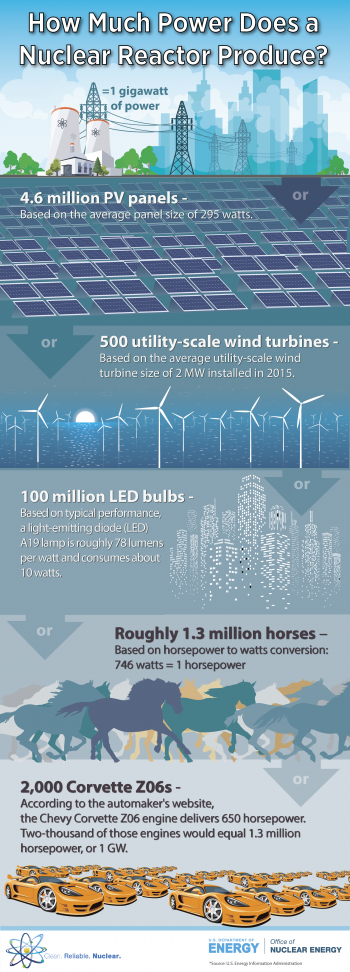
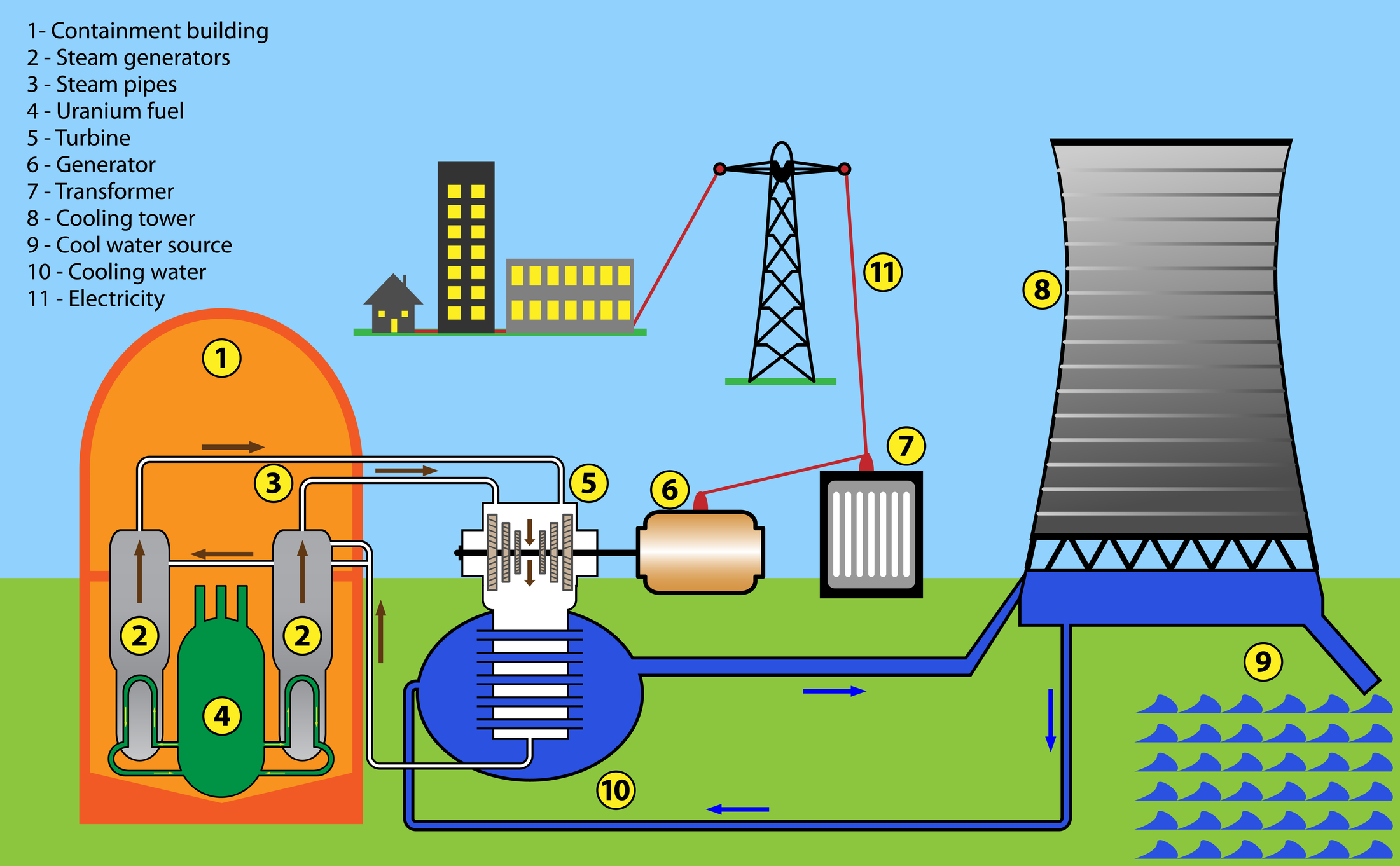
So, how much power are we talking about? Imagine a single, large commercial nuclear reactor. It can generate enough electricity to power hundreds of thousands, even millions, of homes. To put it in perspective, a typical large reactor might produce around 1,000 to 1,500 megawatts (MW) of electricity. That's a continuous, steady flow of power that dwarfs almost any other single power-generating unit. Consider the power needed for a small city; a nuclear reactor can often supply a significant portion of it. Different reactor styles, from pressurized water reactors to boiling water reactors, might have variations in their specifics, but the underlying theme is always massive, reliable power production from a surprisingly small amount of fuel.
Must Read
Now, while we definitely can’t recommend "trying it at home" in the literal sense (please don't!), you can absolutely explore the wonder of nuclear power from your living room! Dive into documentaries like "Pandora's Promise" or "Atomic Hope." Pick up a book on energy history or the physics of nuclear fission. Even simpler, next time you flip a light switch or charge your phone, take a moment to consider the incredible journey that electricity has made, often from a power plant that relies on such advanced engineering. You can also research how different countries are innovating with smaller, modular reactors, which are an exciting variation on this powerful technology.
Ultimately, engaging with the concept of nuclear power is enjoyable because it connects us to something fundamentally optimistic: humanity’s capacity for solving big problems. It's about appreciating the complex dance of science and engineering that lights up our world, quite literally. It reminds us that with ingenuity and careful design, we can harness incredible forces for the common good, paving the way for a brighter, more sustainably powered future.