
How Much Is It To Get Your Septic Tank Pumped

Alright, gather 'round, folks! Let's talk about something super glamorous today. Something that, deep down, we all secretly want to know about, but maybe... just maybe... are a little shy to ask. We're diving headfirst into the mysterious, often maligned, yet utterly essential world of your septic tank. Specifically, how much moolah does it take to get that bad boy pumped?
I know, I know. It's not exactly a hot topic for dinner parties. But trust me, once you get past the initial "ick" factor, there's a certain charm, a quirky fascination, to this underground hero. And understanding its needs? Pure gold.
Why Even Talk About This Stinky Subject?
Because your septic tank is like that silent, hardworking friend who never asks for anything but quietly keeps your whole operation running smoothly. It processes all the... well, let's just say, wastewater from your home. Showers, toilets, sinks – it all ends up there, getting broken down by a microscopic army of friendly bacteria. Pretty cool, right?
Must Read
But even superheroes need a little help sometimes. Over time, solids build up. Sludge forms. And if you don't get it pumped, well, let's just say your lawn might start looking a little too green in all the wrong places. And that's a party nobody wants to be invited to.
So, we pump it. We give it a spa day. We ensure it continues its vital work without a hitch. It's an act of love, really. For your home, for your wallet, and for your nose!
The Big Reveal: What's the Damage?
Okay, drumroll please! You're probably wondering: "Spill the beans! How much is this septic spa treatment going to cost me?"
The short answer is: it varies. (I know, I know, not exactly the punchy answer you hoped for, but stick with me!). Generally, you're looking at somewhere between $300 to $600 for a standard residential septic tank pump-out. See? Not nearly as terrifying as you might have imagined!
But like ordering a pizza, there are toppings and factors that can change the price. Let's break down why your neighbor's bill might be a little different from yours:
Tank Size Matters (Like, Really Matters)
Are you rocking a cozy 1,000-gallon tank, or do you have a sprawling 1,500-gallon monster? The bigger the tank, the more... stuff... there is to pump. More pumping means more time and effort, and usually, a slightly higher price tag. It's simple math, really.
Location, Location, Location!
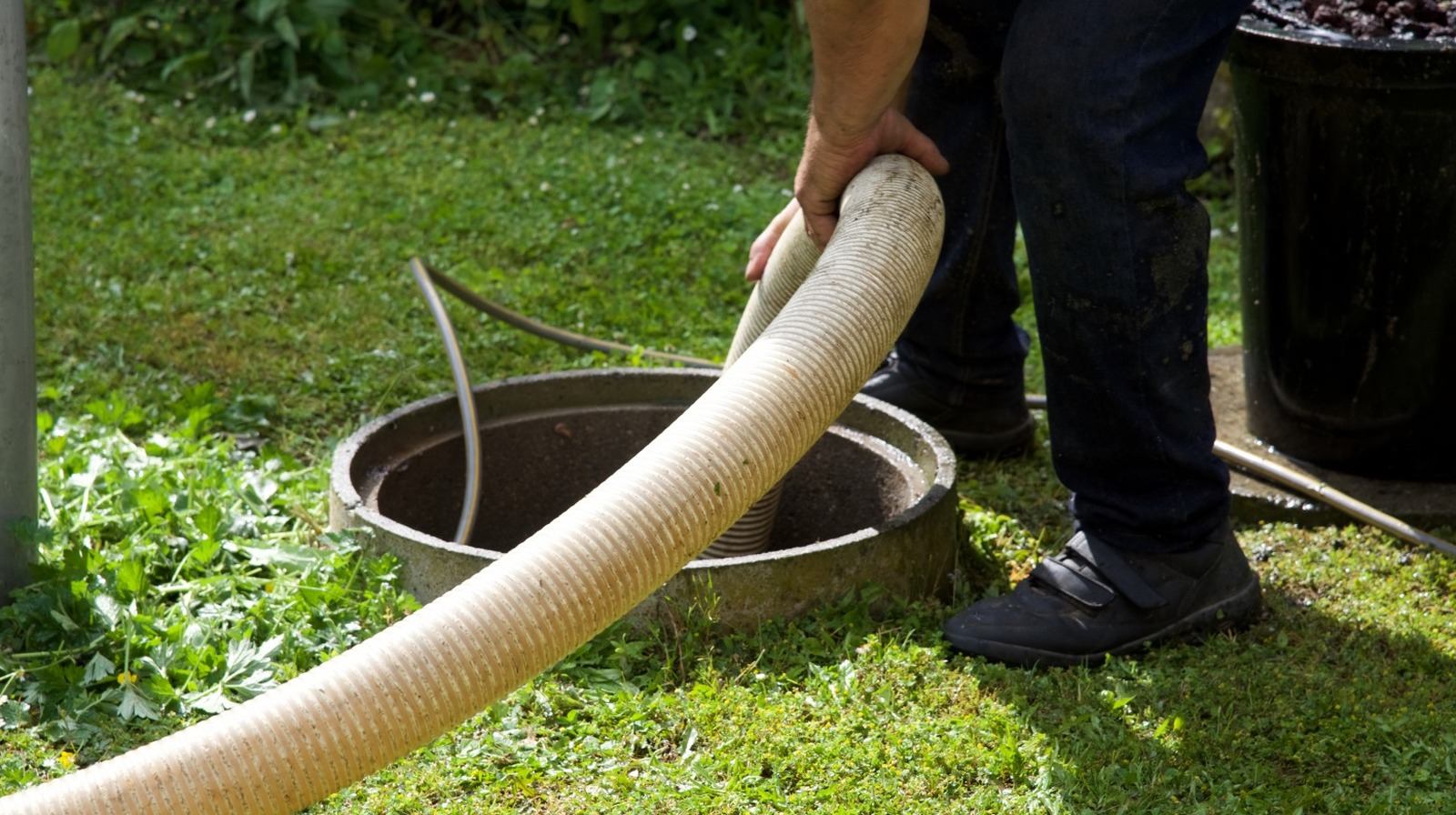
Are you nestled deep in the countryside, a long drive from civilization? Or are you just a hop, skip, and a jump from the pumping company's depot? Travel time and fuel costs play a role. Being off the beaten path might add a little extra to the bill. Think of it as a delivery fee for a very specialized service!
Accessibility: Is It a Treasure Hunt?
Can the pump truck easily access your tank's lid? Or is it buried under three feet of soil, hidden beneath a rogue rose bush, or parked right behind your prized vintage car? If the crew has to become archaeologists or landscapers first, digging to locate and uncover the lid, that can add to the labor cost. Make it easy for them, and they'll make it easy on your wallet!
Frequency: The "How Often" Factor
Most experts recommend pumping your tank every 3 to 5 years. But if you've been... shall we say, neglecting your underground friend for a decade? Or if you have a huge family and your tank gets a workout every single day? The buildup might be more significant, potentially requiring a bit more effort. Regular maintenance is your best friend here, keeping costs down in the long run.
Quirky Facts & Funny Details (Because Why Not?!)
Here's where it gets really fun! Did you know that the modern septic system was actually invented in France in the 1860s? So, thank the French for keeping our backyards pristine! Magnifique!
And those "friendly bacteria" we mentioned? They're true unsung heroes! They chow down on organic waste, turning solids into liquids and gas. It's like a tiny, underground composting factory. Give them a mental high-five next time you flush!
Ever heard the myth about pouring yeast down your toilet to help your septic system? Nope! Your system already has all the natural bacteria it needs. Adding more yeast is just... adding more yeast. Save it for your bread-making!
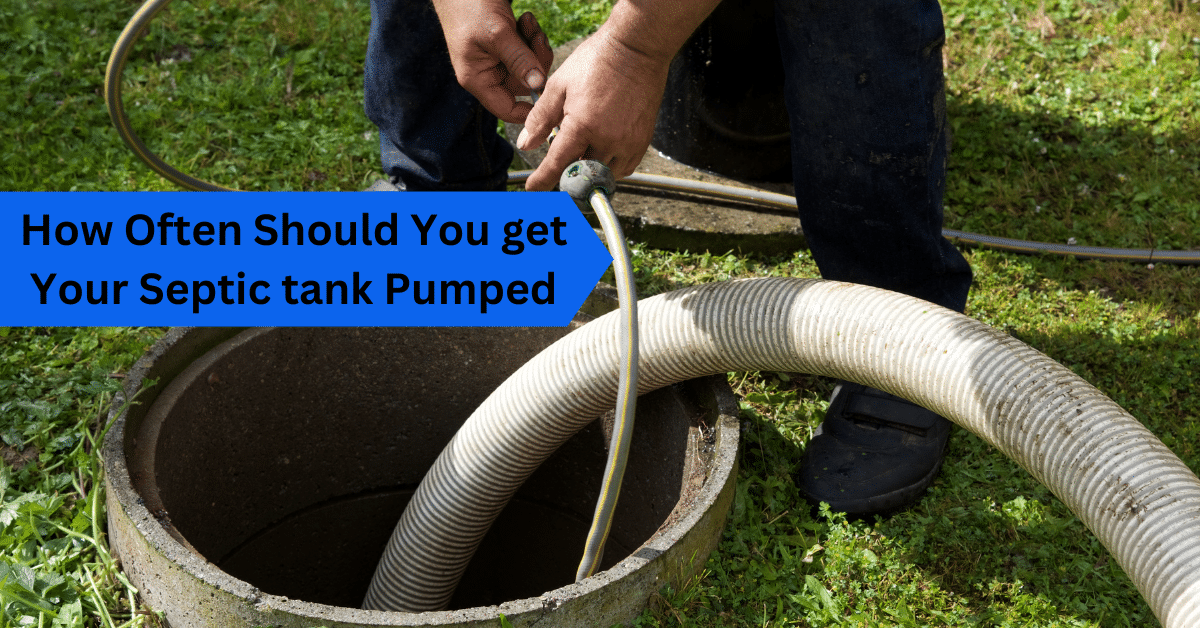
And imagine the pump truck driver. This person is essentially a modern-day knight, fearlessly battling the forces of... well, you know. They have a certain quiet dignity, knowing they're preventing potential domestic disasters. Give them a wave! They're doing important work.
Why This Topic Is Actually Kinda Fun
Okay, "fun" might be a strong word. But there's a definite satisfaction, a peace of mind, that comes with proper septic maintenance. It's like changing the oil in your car or getting a dental check-up. You might not love doing it, but you'll certainly love the feeling of knowing everything is running smoothly. No unexpected surprises!
Plus, talking about it breaks the taboo! It normalizes a vital home ownership responsibility. And let's be honest, who doesn't love a good story about avoiding a colossal mess? It's a tale of prevention, responsibility, and the surprising wonders of underground plumbing.
So, the next time you hear someone whisper about their septic tank, you can confidently chime in! You're now an informed, slightly amused, and totally un-grossed-out expert. Go forth and talk about septic tanks!