How Much Is A John Stockton Card Worth
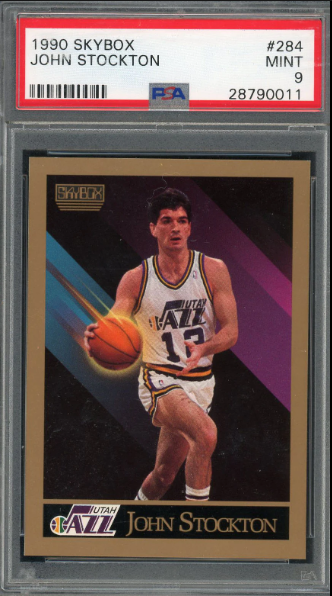
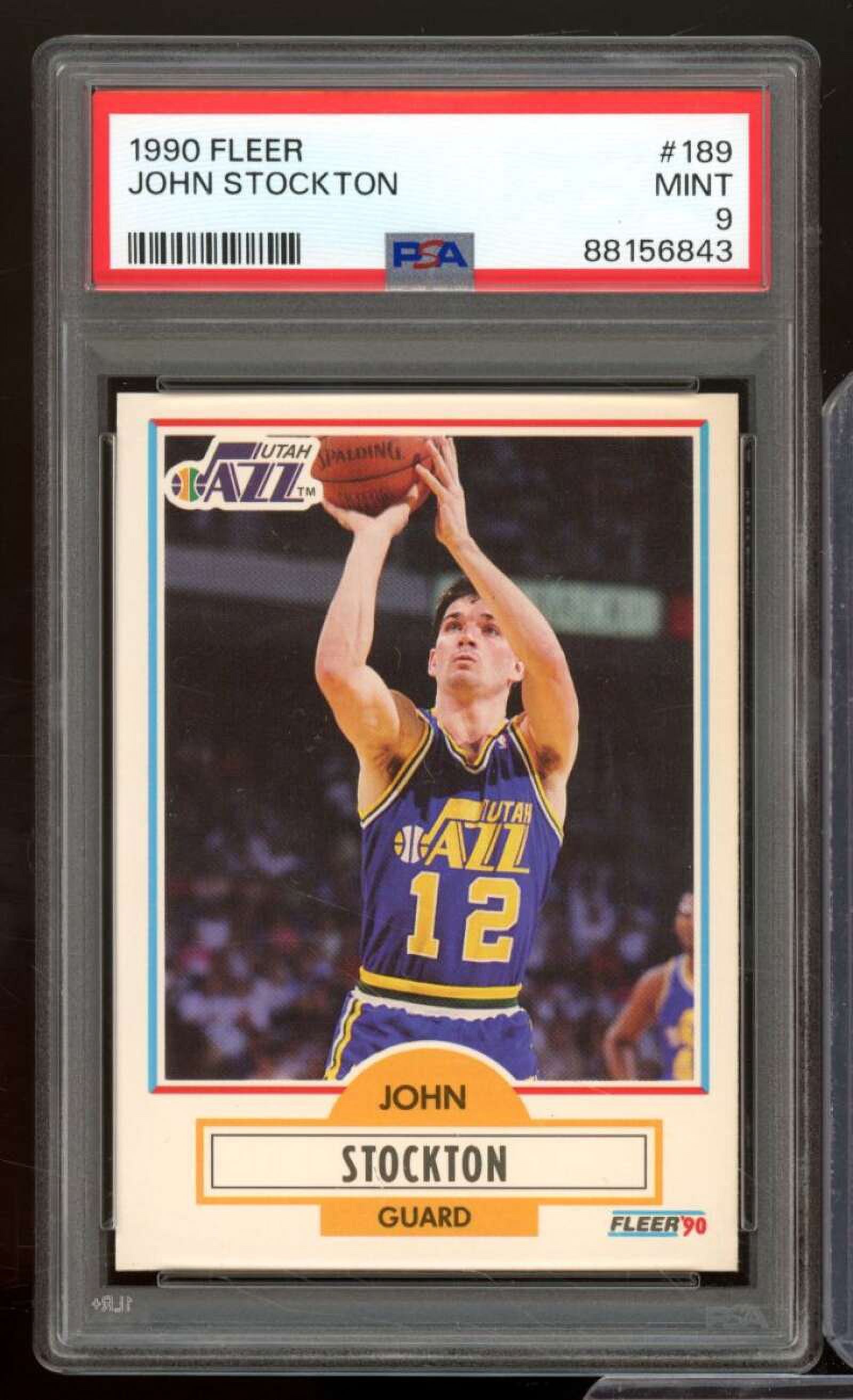
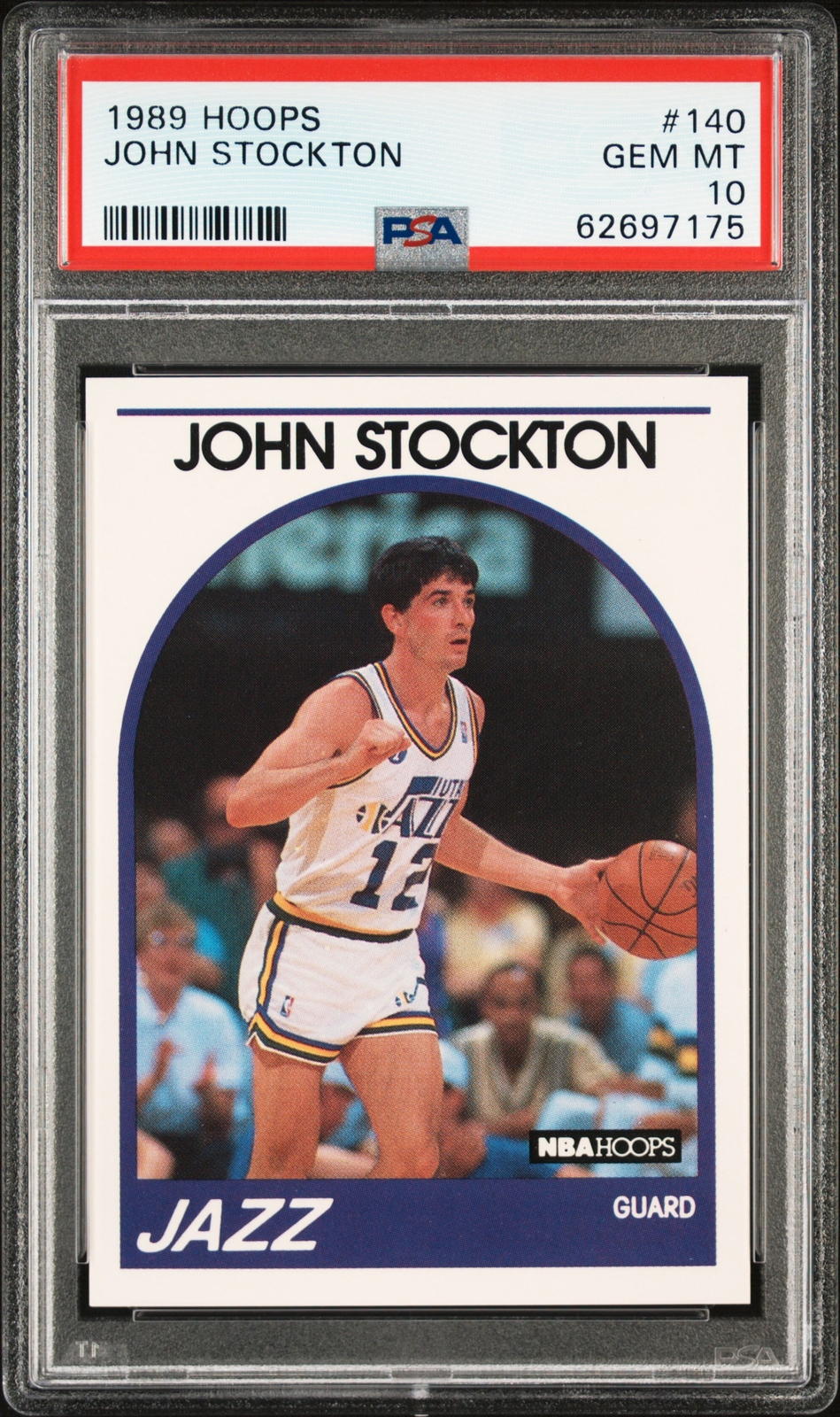
John Stockton. The name conjures images of short shorts, perfectly timed passes, and that iconic pick-and-roll with Karl Malone. For basketball fans of a certain age (raises hand!), Stockton isn't just a player; he's a symbol of a bygone era. But what about his trading cards? Are they worth the trouble of dusting off your old collection? Let's dive in and explore the fascinating, and sometimes unpredictable, world of John Stockton card values.
Factors Influencing the Price
The value of any trading card, including a John Stockton, hinges on a few key elements. Think of it as a recipe: the right ingredients lead to a delicious (and valuable) outcome.
- Condition, Condition, Condition: This is the golden rule. A card in mint condition (graded a perfect 10 by a professional grading service) will always command a higher price than one with frayed edges or a crease. Think of it like buying a classic car – pristine wins every time.
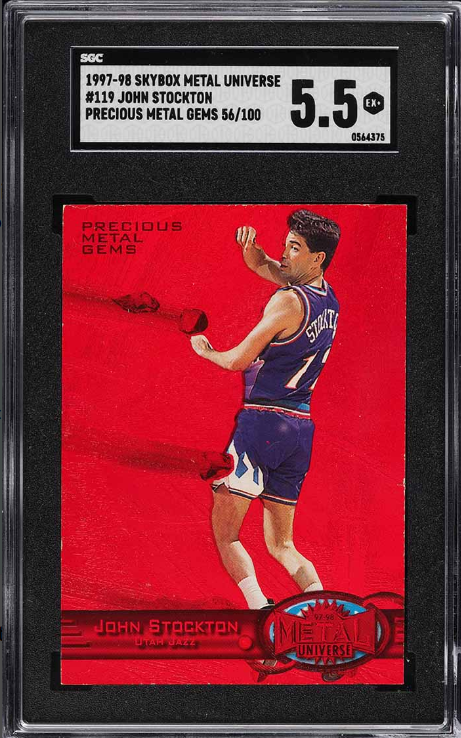
- Rarity: Is it a limited edition insert card? A short print? The scarcer the card, the more collectors will clamor for it. Consider this: a common base card from 1992 isn't going to fetch much, but a signed rookie card? Now we're talking.
- Grading: Professional grading by companies like PSA (Professional Sports Authenticator) or Beckett Grading Services (BGS) adds legitimacy and confidence. A graded card is like a certified diamond – you know exactly what you're getting.
- Player Performance & Legacy: While Stockton is retired, his legacy as the NBA's all-time assist and steal leader continues to resonate. Major documentaries or renewed interest in 90s basketball can give his card values a boost.
- Market Trends: The trading card market, like any other market, ebbs and flows. What's hot one day might be lukewarm the next. Keep an eye on auction results and online marketplaces to gauge current demand.
So, How Much Are We Talking?
Okay, let's get down to brass tacks. Here's a rough estimate of what you might expect:
Must Read
- Common Base Cards (1980s-1990s): These are the bread and butter of most collections. Ungraded, they're typically worth a few dollars, if that. Think of them as nostalgic keepsakes rather than investment gold.
- Rookie Cards: Stockton's rookie cards, particularly those in excellent condition and graded, can fetch anywhere from $50 to several hundred dollars. A PSA 10 1986 Fleer card is the holy grail for many Stockton collectors.
- Insert Cards & Autographs: This is where things get interesting. Limited edition insert cards, especially those featuring autographs or game-worn memorabilia, can command serious money. Some high-end Stockton autographs have sold for thousands.
Pro Tip: Use online resources like eBay's sold listings, PriceCharting, and PSA's auction prices realized to get a sense of current market values. Don't rely on the asking prices – see what cards are actually selling for.
Where to Find the Value
Finding the value of your John Stockton card requires a bit of detective work. Here’s your toolkit:
- eBay Sold Listings: Filter your search to only show completed listings. This provides a realistic view of what similar cards have recently sold for.
- PriceCharting.com: This website tracks historical sales data for a wide range of trading cards, providing valuable insights into price trends.
- PSA & BGS Population Reports: These reports show how many of a particular card have been graded by each company, giving you an idea of its rarity.
- Local Card Shops & Shows: Talking to experienced dealers can provide valuable insights and appraisals. Plus, it's a great way to connect with fellow collectors.
Fun Fact: Did you know that John Stockton played his entire 19-season NBA career with the Utah Jazz? Loyalty like that is rare in professional sports, and it adds to his appeal among collectors.
Beyond the Money: The Sentimental Value
While the financial value of a John Stockton card is important to some, for many collectors, it's the sentimental value that truly matters. These cards are tangible reminders of a golden era of basketball, of thrilling games and unforgettable moments. They're a connection to our childhoods, to a time when collecting cards was a cherished hobby.
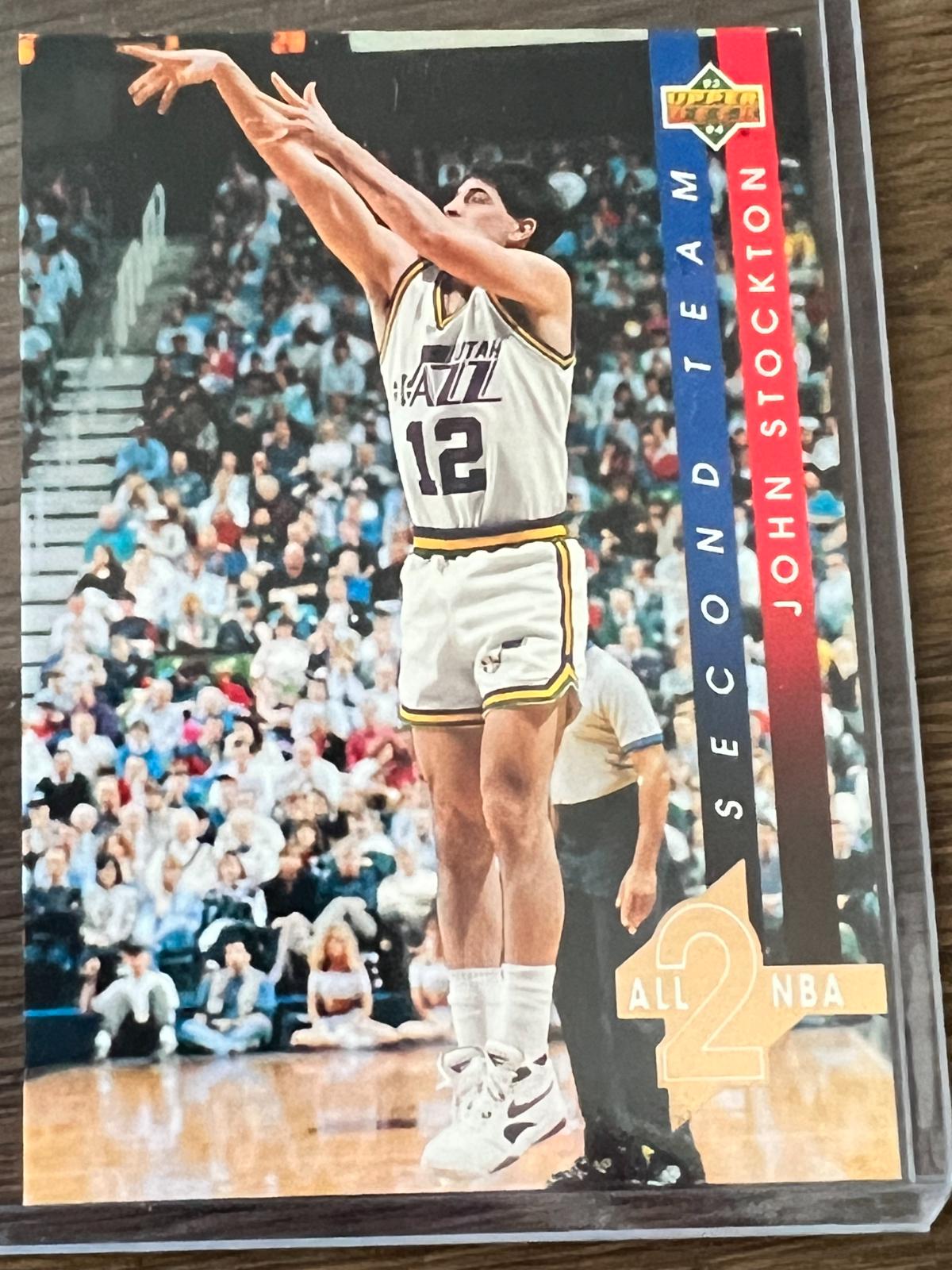
Ultimately, the "worth" of a John Stockton card is subjective. It's a blend of market forces and personal significance. So, whether you're looking to cash in on your collection or simply enjoy the nostalgia, take some time to appreciate the legacy of one of the greatest point guards of all time.
Remember this: Finding joy in what you have is far more rewarding than stressing over monetary value. This truth extends beyond the world of card collecting and enriches all parts of our daily life.