
How Much Energy Does Nuclear Power Produce
Have you ever stopped to think about all the amazing things that energy does for us every single day? It wakes up your coffee maker, lights up your screen, and keeps your fridge humming happily. We use so much energy, it’s mind-boggling!
But what if I told you there's a superstar in the energy world that gets a lot of talk, yet its incredible power often flies under the radar? We're talking about nuclear power, and its ability to conjure up jaw-dropping amounts of energy from surprisingly tiny packages.
The Tiny Package, Giant Punch
Imagine trying to light up an entire city. You'd probably picture mountains of coal, rivers of oil, or giant windmills stretching for miles. Now, imagine doing that with something no bigger than a handful of marbles. That’s the kind of magic trick nuclear power pulls off.
Must Read
At the heart of a nuclear power plant, you'll find fuel made from a special kind of rock called uranium. This isn't just any rock; it's like a secret vault holding an immense treasure of energy. What’s truly astounding is how little of it you need to create so much power.
A Fuel Pellet's Secret Superpower
Let’s get a picture in our heads. Think about a tiny ceramic pellet, about the size of the tip of your pinky finger. This minuscule pellet of uranium might seem insignificant, almost like a piece of candy.
But don't let its humble appearance fool you! That one small pellet holds as much energy as a colossal three tons of coal. Yes, you read that right: three tons of coal, enough to fill a small dump truck!
It also packs the same punch as 149 gallons of oil. That’s enough to fill several bathtubs with crude oil, all squished into one tiny, clean little pellet. It's truly an energy marvel.
"One tiny uranium pellet holds the energy equivalent of three tons of coal or 149 gallons of oil."
Imagine the sheer volume difference! Instead of hauling train cars full of black, dusty coal, we're talking about a few small bundles of these neat, tidy pellets. It’s like comparing a whole library to a single, incredibly powerful flash drive.
Powering Our World with Atomic Whispers
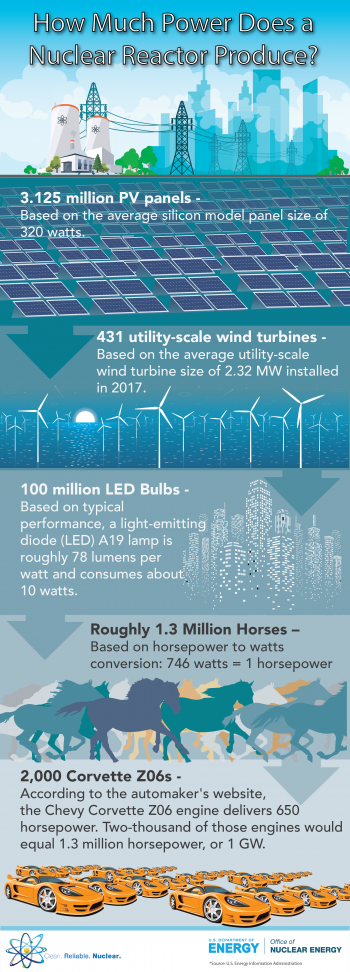
So, how much energy does an entire nuclear power plant produce? Let’s scale up from our tiny pellet. A typical nuclear reactor operates continuously, generating massive amounts of electricity.
It can power millions of homes, businesses, and hospitals around the clock. Unlike solar panels that need sunshine or wind turbines that need a breeze, nuclear plants are always on, always generating. They are the steady heartbeat of our energy grid.
Consider a large nuclear power plant. It might have enough fuel to power an entire city of one million people for more than a year. All this from fuel that, if you gathered it all together, would probably fit comfortably in a small shed.
Think about that for a moment: enough energy to keep a bustling metropolis vibrant and alive, simply humming along, year after year. That’s hospitals running, schools learning, factories producing, and homes cozy, all thanks to these atomic workhorses.
The Dance of the Atoms
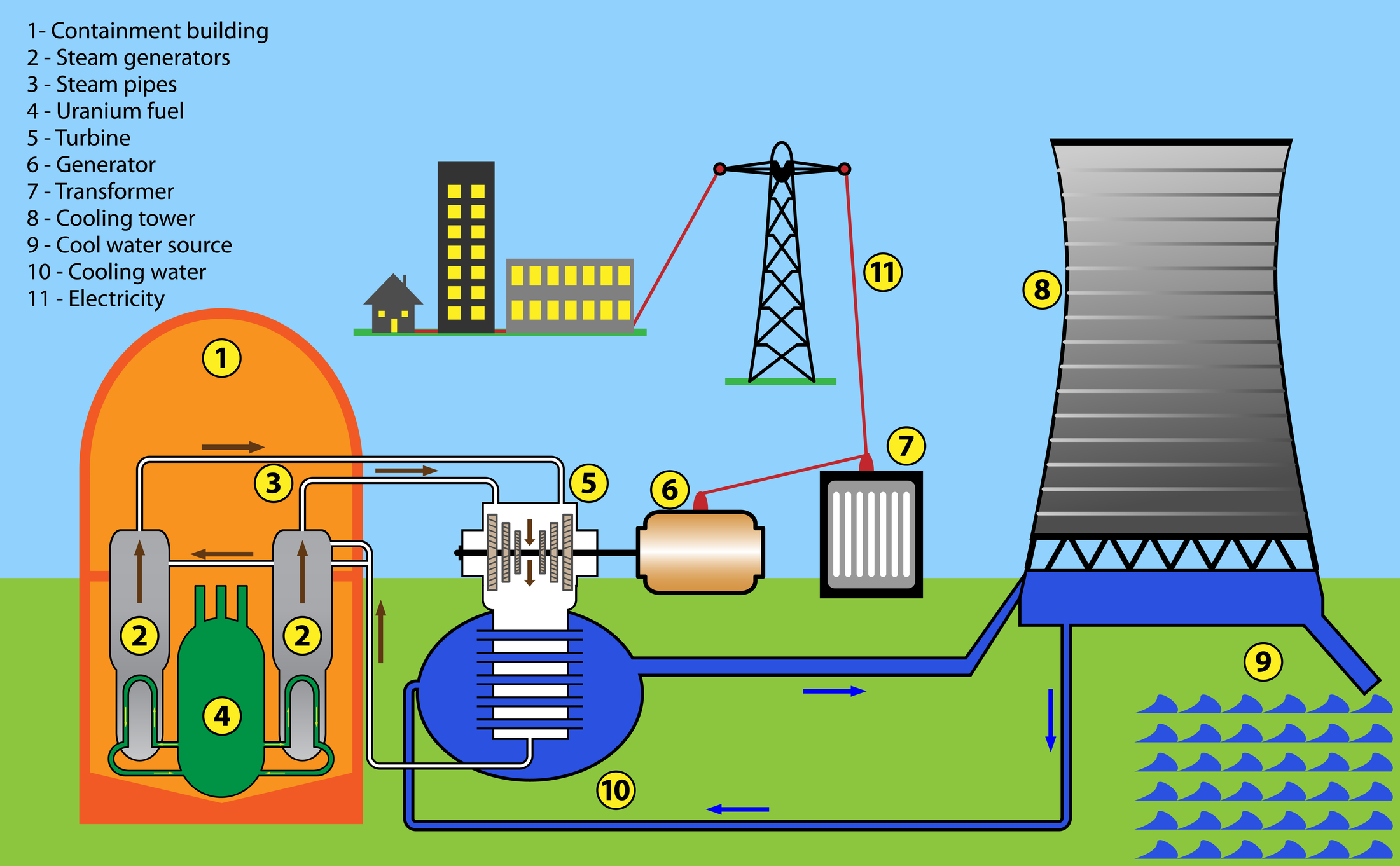
What’s happening inside that amazing fuel? It's a process called fission, which sounds super techy, but is actually quite simple to grasp in concept. Imagine tiny atoms of uranium as little cosmic dancers.
When a tiny particle nudges one of these uranium atoms, it gets so excited that it gently splits into two smaller atoms. This gentle split releases a burst of energy, like a tiny atomic sneeze that warms everything around it.
This energy then heats up water, turning it into super-hot steam. That steam spins enormous turbines, much like a powerful pinwheel, which then generates electricity. It's a beautiful, controlled chain reaction, a silent, powerful ballet of tiny particles.
It's not an explosion, but a carefully managed release of incredible power. It's like gently tapping a domino that then knocks over a hundred others in a perfect, predictable sequence, rather than dropping a bomb.
Why This Energy is a Game Changer
The sheer density of nuclear energy is what makes it so revolutionary. It means we don't need vast tracts of land for fuel storage or immense pipelines to transport it. A small amount goes an incredibly long way.
This reliability and consistency are priceless. We don't have to worry if the sun isn't shining or the wind isn't blowing. Nuclear power provides a steady, unwavering stream of electricity, essential for our modern lives.
It helps keep the lights on during scorching summer heatwaves when air conditioners are blasting, and through frosty winter nights when heaters are working overtime. It’s a silent guardian, ensuring our comforts and necessities are met.

Furthermore, nuclear power plants produce practically no greenhouse gas emissions during operation. This makes them a critical component in our global effort to combat climate change, offering immense power without polluting our air.
Think of the environmental benefits: less smog, cleaner air for our children to breathe, and a more stable climate for future generations. It’s a powerful friend to our planet.
From Marvel to Everyday Life
So, the next time you flip a light switch, charge your phone, or enjoy a perfectly chilled drink from your fridge, take a moment to appreciate the unsung hero of energy production. It could very well be nuclear power working its quiet magic.
It’s a testament to human ingenuity, taking something as fundamental as the atom and harnessing its incredible power for the good of all. From a tiny pellet, an entire world lights up.
It’s not just about megawatts and gigawatts; it’s about powering our dreams, our progress, and our daily moments of joy. Nuclear power truly is one of the most astonishing ways we get the energy that runs our lives.