How Much Energy Does A Nuclear Reactor Produce
Ever stopped to think about the invisible force that brings your coffee maker to life, powers your streaming marathons, or keeps the hospital down the street running 24/7? It’s electricity, of course! We've become so utterly reliant on it that it's practically a sixth sense. We love the convenience, the warmth, the light, and the endless possibilities it unlocks. From charging our phones to running entire smart homes, reliable power isn't just a luxury; it's the very backbone of modern life. But where does all that incredible energy actually come from?
One of the most potent and consistent sources of this lifeblood is the nuclear reactor. Far from being just a looming industrial structure, these powerhouses are silently, safely, and relentlessly generating vast amounts of electricity, providing what's known as baseload power. This means they run continuously, keeping the lights on even when the sun isn't shining or the wind isn't blowing. The core benefit? They produce electricity with virtually no greenhouse gas emissions, making them a crucial player in the global effort to combat climate change and ensure a stable energy supply for generations.
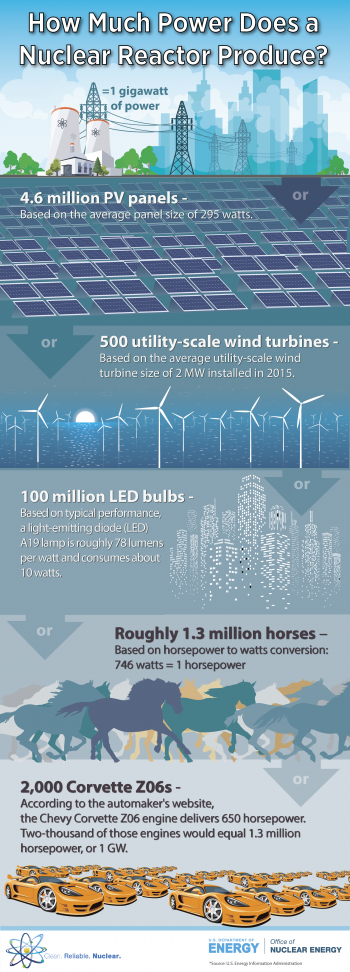
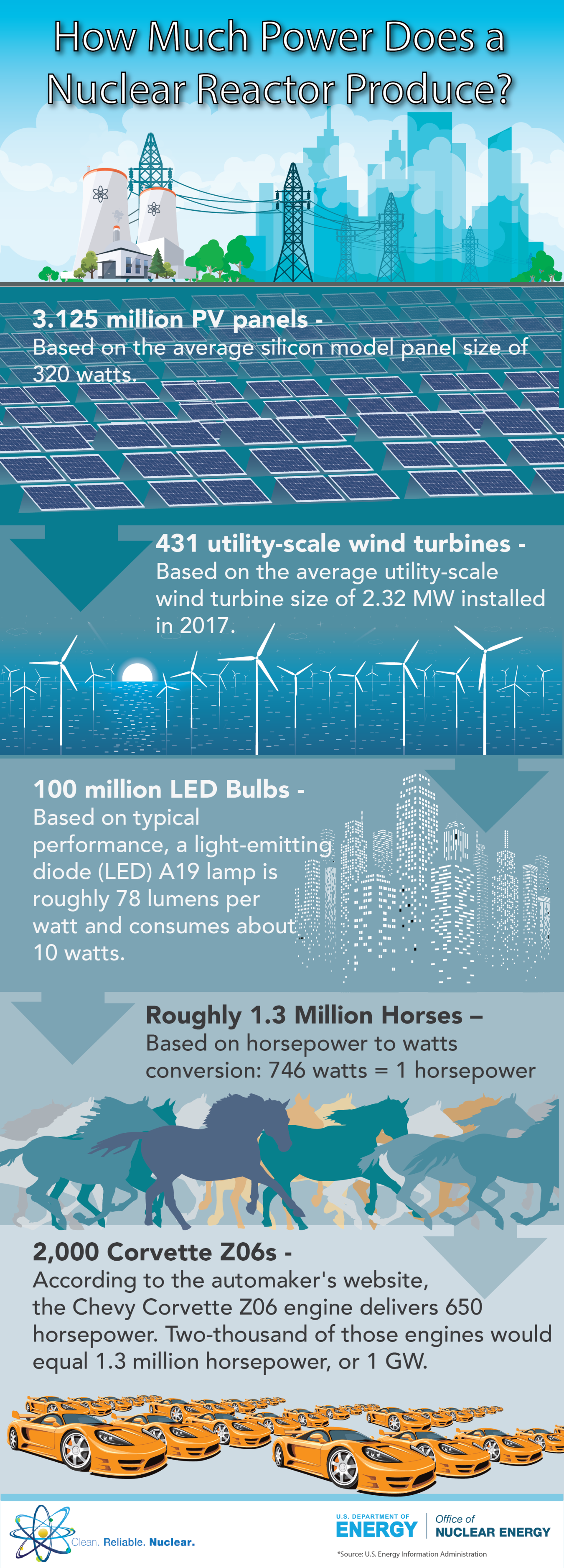
So, how much energy are we talking about? Prepare to be impressed. A typical large nuclear reactor pumps out around 1 Gigawatt (GW) of electricity. To put that into perspective, 1 Gigawatt is 1,000 Megawatts, or 1 billion watts! This means a single reactor can power roughly 750,000 to 1 million homes, day in and day out, without interruption, for an entire year. Imagine the continuous hum of power flowing from just one of these incredible machines, keeping cities vibrant, factories productive, and communication networks buzzing. It's the equivalent of running hundreds of thousands of electric kettles, all at once, indefinitely.
Must Read
The real magic, however, lies in the energy density. Nuclear fuel, primarily uranium, is incredibly energy-rich. A single uranium fuel pellet, about the size of your fingertip, can produce as much energy as 1 ton of coal or 17,000 cubic feet of natural gas. That’s astonishing efficiency! This tiny pellet contributes to powering our streetlights, our refrigerators, and even the complex surgical equipment saving lives in hospitals. Nuclear reactors are the quiet giants of our energy landscape, steadily producing immense power from remarkably little fuel.
To truly appreciate this colossal energy production, here are a few "tips" to enjoy it more effectively. Firstly, next time you flip a switch or plug in a device, take a moment to consider the sheer scale of the power grid and the engineering marvels like nuclear reactors that feed it. Secondly, educate yourself about your local energy mix – knowing where your power comes from can foster a deeper appreciation for its journey to your home. Finally, consider the long-term impact. The clean, consistent power from nuclear reactors isn't just about today; it's about building a sustainable, reliable energy future for all of us. Understanding this makes the invisible flow of electricity feel a little more tangible, and a lot more extraordinary.