
How Much Does It Cost To Have Septic Pumped

Ah, the joys of homeownership! Fancy granite countertops? Check. Sparkling new appliances? Double-check. A giant, underground tank full of... well, stuff? Oh, you betcha!
Welcome, my friends, to the glamorous world of septic systems. It's the unsung hero of your household, quietly toiling away beneath your feet, turning your daily deposits into... well, let's just say not your problem. Until, that is, it becomes your problem. And usually, that problem starts with a question: "How much does it cost to have that glorious, gurgling Goliath pumped?"
Grab a coffee, because we're about to dive into the surprisingly fascinating (and occasionally terrifying) economics of keeping your waste, shall we say, on the down-low.
Must Read
Why Bother Pumping That Underground Treasure Chest?
First, a quick reality check. Your septic tank isn't a magical bottomless pit. It's a hardworking biological system where solids settle, liquids drain, and bacteria do their best to break down organic matter. But eventually, those solids build up. We're talking sludge, my friends. And if you let it get too full, you're not just risking a sluggish flush; you're risking a full-blown, olfactory-assaulting, sewage-on-your-lawn disaster.
Picture this: your beautifully manicured lawn suddenly sprouts a geyser... and it's not water. Or worse, your toilet decides to stage a very unpleasant revolt, right there in your bathroom. Trust me, the cost of pumping pales in comparison to the cost of professional biohazard cleanup and replacing all your flooring. So, pumping? It’s not a luxury; it’s preventative maintenance, disguised as a necessary evil.
Most experts recommend pumping every three to five years for a typical household. Yes, that often. Surprising, isn't it?
The Great Septic Pumping Price Reveal: It's Complicated
Alright, let's get down to brass tacks. You want a number. And like most things involving giant trucks and unpleasant liquids, it's not as simple as a flat fee. Think of it less like buying a gallon of milk and more like getting your car repaired after you drove it into a lake. There are variables, my friend, glorious, cost-influencing variables!

1. Tank Size: Are We Talking Bathtub or Olympic Pool?
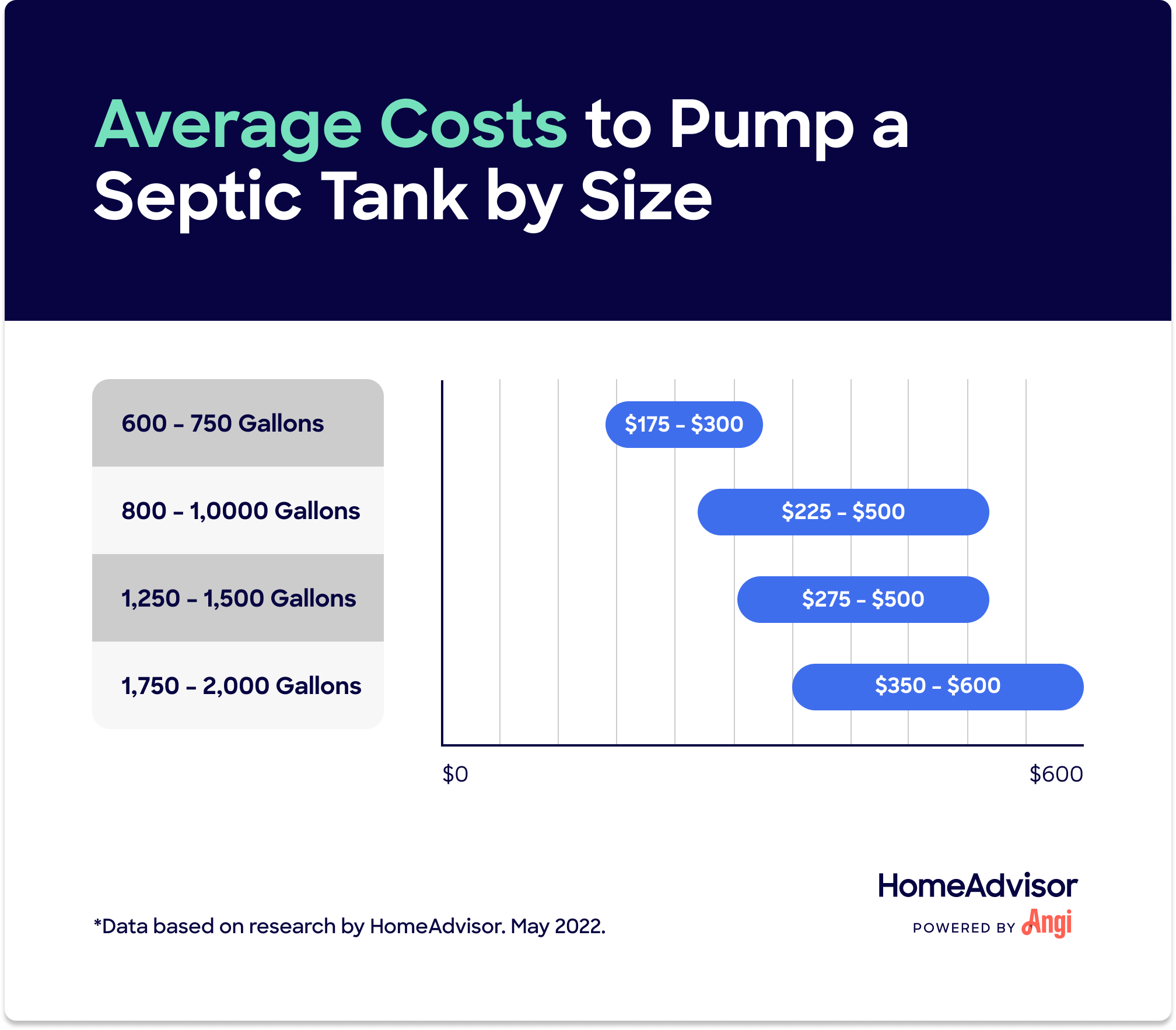
This is probably the biggest factor. Most residential tanks are between 1,000 and 1,500 gallons. Naturally, pumping a larger tank takes more time and holds more... well, stuff, so it costs more. Are you hosting a small, intimate collection of waste, or are we talking about a veritable underground metropolis? The bigger the metropolis, the bigger the bill.
2. Location, Location, Location!
Are you deep in the boonies where the GPS gives up and cell service dies, or right off the interstate? Companies charge for travel time, fuel, and the general hassle of getting their giant vacuum truck to your property. If they need to navigate a winding dirt road or cross a moat, expect that to factor in.
3. Ease of Access: The Lid Hunt
Is your septic lid a well-known landmark, easily uncovered with a rake? Or do we need an archaeological dig, a divining rod, and possibly a small army to find it? If the technician has to spend an hour digging through overgrown weeds and several inches of topsoil, they're going to charge you for that time. Some companies even charge an extra fee if they have to locate the tank opening, let alone dig it up!
Pro tip: Know where your lid is. Seriously. It’s like knowing where your car's gas tank is. Basic stuff.
![How Much Does a Septic System Cost? [2023 Data] | Angi](https://media.angi.com/s3fs-public/septic-tank-cost-by-house-size.png?impolicy=infographic)
4. The Last Time You Saw a Septic Truck (Or Didn't)
Was the last pump during the Reagan administration? Because that changes things. A tank that hasn't been pumped in a decade or more is likely to have a significant buildup of dense sludge and a thick crust. This means more effort for the pumping truck, potentially longer pumping times, and sometimes, a higher fee for handling the extra-concentrated gunk.
5. Additional Services: Beyond the Basic Suck
Sometimes it’s not just a straightforward pump. You might need:
- Inspections: Like a doctor's check-up, but for your poop tank. Good for peace of mind.
- Filter Cleaning: Yes, there's a filter. No, you probably haven't cleaned it. It's often an extra charge.
- Baffle Repair: Those internal walls guide the flow. If they're damaged, you might need a minor repair.
- Emergency Pumping: If you're calling them at 2 AM because your backyard looks like a swamp, expect surge pricing.
The Numbers Game: What to Expect to Pay
Okay, enough suspense. For a standard 1,000 to 1,500-gallon septic tank, with relatively easy access, you can generally expect to pay anywhere from $300 to $600. This is your average, no-frills, "just pump my tank, please" price.
However, if your tank is larger, if it's been a very long time, if digging is required, or if you need additional services, that price can climb. It's not uncommon to see bills of $700, $800, or even $1,000+ if you've really let things go or have a massive system.
Consider it the price of preventing a catastrophic, utterly foul-smelling disaster. Cheaper than a new roof, right? And definitely cheaper than explaining to your in-laws why their shoes are squishing.
Tips for Softening the Blow to Your Wallet
Want to keep those costs down? Be a savvy septic owner!
1. Know Your System: Locate your tank and its access lid. Know your tank's size. This saves the technician time and you money.
2. Pump Regularly: Don't wait for the smell to guide you. Sticking to that 3-5 year schedule keeps the sludge manageable and prevents costly issues.

3. Watch What You Flush: This is a big one. No wet wipes (even "flushable" ones!), no feminine hygiene products, no cat litter, no excessive grease down the drain. Your septic tank is not a magical garbage disposal for everything. Stick to the three P's: pee, poo, and paper (toilet paper only!).
4. Get Multiple Quotes: Call around! Prices can vary significantly between companies. It's like shopping for a car, but for a giant vacuum truck. Get at least two or three estimates.
5. Bundle Services: If you know you need an inspection, ask if they'll combine it with the pumping for a slightly reduced overall rate.
The Final Flush
Having your septic tank pumped is undeniably one of the less glamorous aspects of homeownership. It's a dirty job, it's a necessary job, and yes, it costs money. But by being informed, pumping regularly, and being mindful of what goes down your drains, you can keep those costs manageable and, more importantly, keep your household flowing smoothly.
So, next time you flush, maybe give a little nod of respect to your hardworking septic system... and your wallet. They're both doing their best to keep things from getting messy.