
How Much Does It Cost To Empty A Septic Tank

Okay, let's be real. Talking about septic tanks isn't exactly the kind of juicy gossip you'd bring up at a dinner party. It’s not glamorous, it’s not flashy, and frankly, it deals with some pretty unglamorous stuff. But here’s the thing: for millions of us living outside city sewer lines, the humble septic tank is an unsung hero. It’s silently doing some heavy lifting, managing our household waste without us even having to think twice. Well, until it's time to empty it, that is!
And that, my friends, brings us to the big, bubbling question: how much does it actually cost to empty a septic tank? It's one of those expenses you hope you never have to think about, but when the time comes, it’s good to be in the know. So, let’s peel back the lid (metaphorically speaking, of course!) and dive into the surprisingly interesting world of septic tank pumping.
Why Does It Even Need Emptying? (And What Exactly Is It?)
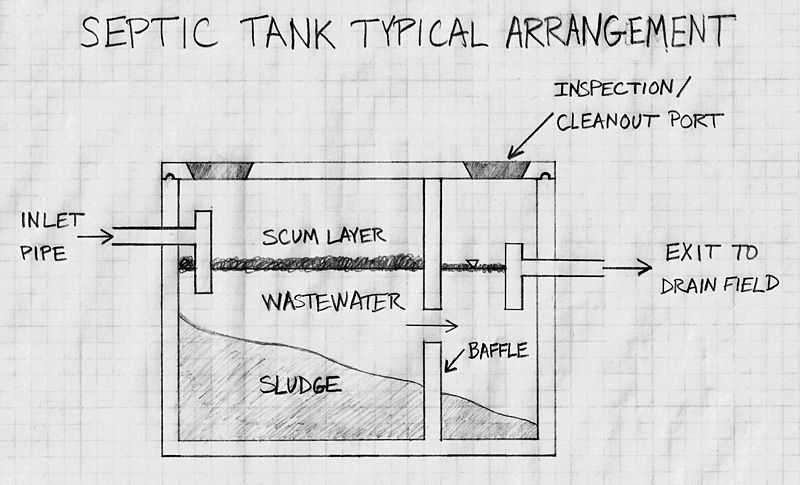
First things first, what is a septic tank? Imagine it as your home's personal, underground wastewater treatment plant. All the water from your sinks, showers, toilets, and laundry goes into this watertight container, usually made of concrete or fiberglass. Inside, the magic (and science!) happens: solids settle to the bottom, forming a layer of "sludge," while lighter materials like grease and oil float to the top, creating a "scum" layer. The liquid in the middle, called effluent, then flows out into a drain field, where it’s naturally filtered by the soil.
Must Read
Pretty neat, right? But here's the catch: that sludge and scum layer? They don't just disappear. Over time, they build up. If you let them accumulate too much, they can clog your system, damage your drain field, and lead to some truly unpleasant backups. And nobody wants that! So, regular emptying – or "pumping" – is essential for keeping your system healthy and your home happy. Think of it like taking your car in for an oil change; it's a vital maintenance task that prevents bigger, more expensive problems down the road.
The Big "It Depends" – Factors That Affect the Price Tag
Alright, let’s get to the nitty-gritty of the cost. The short answer, as with many things in life, is: it depends. There isn't a single, universal price tag, and that’s because several factors play a role. Think of it like buying a plane ticket – the price varies wildly depending on your destination, airline, and how far in advance you book.

1. Size Matters (Of Your Tank, That Is!)
This is probably the biggest factor. Septic tanks come in various sizes, typically ranging from 750 gallons for smaller homes to 1,500 gallons or more for larger households or commercial properties. It stands to reason that emptying a bigger tank with more "contents" will take more time, effort, and disposal capacity. You're essentially paying for the volume of what's being removed. A small sedan takes less gas than a monster truck, right? Same principle here.
2. Your Location on the Map
Where you live can significantly impact the cost. Prices in densely populated areas or regions with higher costs of living (think coastal cities vs. rural towns) tend to be higher. Accessibility also plays a role. Is your tank easily reachable by a large pumper truck, or does it require extra hoses and maneuvering to get to? A tricky, hard-to-reach tank might incur additional labor charges.
3. How Often Do You Empty It? (And Its Current Condition)
Are you a responsible septic tank owner who schedules regular pumping every 3-5 years, or have you, uh, "forgotten" for a decade? If your tank is severely neglected, overflowing, or experiencing an emergency, it might cost more. Emergency services often come with a premium, just like calling a plumber on a Sunday night. Routine maintenance is always cheaper in the long run!
4. The Company You Call
Just like any service industry, different companies will have different pricing structures. Some might offer competitive rates as part of a package deal, while others might charge more but include an inspection or additional services. It always pays to get a few quotes and compare what’s included in the price.
So, What's the Ballpark Figure?
Given all those variables, what can you expect to pay? Generally speaking, for a standard 1,000 to 1,500-gallon residential septic tank, you're likely looking at a range of $300 to $600 for a routine pumping. However, prices can dip as low as $250 in some rural areas or climb towards $800-$1,000 or more for larger tanks, emergency services, or in high-cost regions.
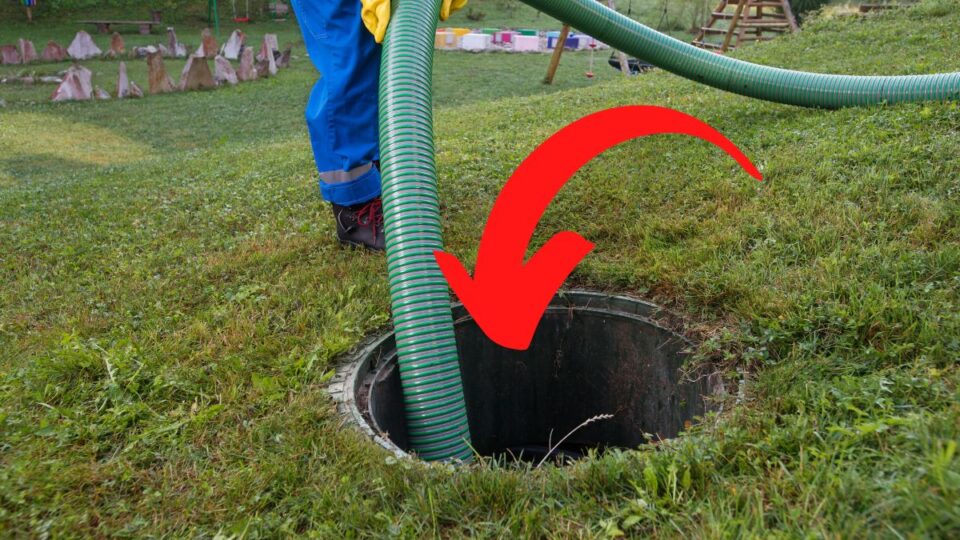
Think of it this way: that's roughly the cost of a really nice weekend getaway, a new smartphone, or a few fancy dinners out. Not a fortune, but definitely an expense you want to budget for. And remember, this is an investment in your home's infrastructure and your peace of mind.
What Are You Really Paying For?
It's easy to think, "I'm just paying someone to suck out my waste." But it’s so much more than that! When you pay for septic tank pumping, you're paying for:
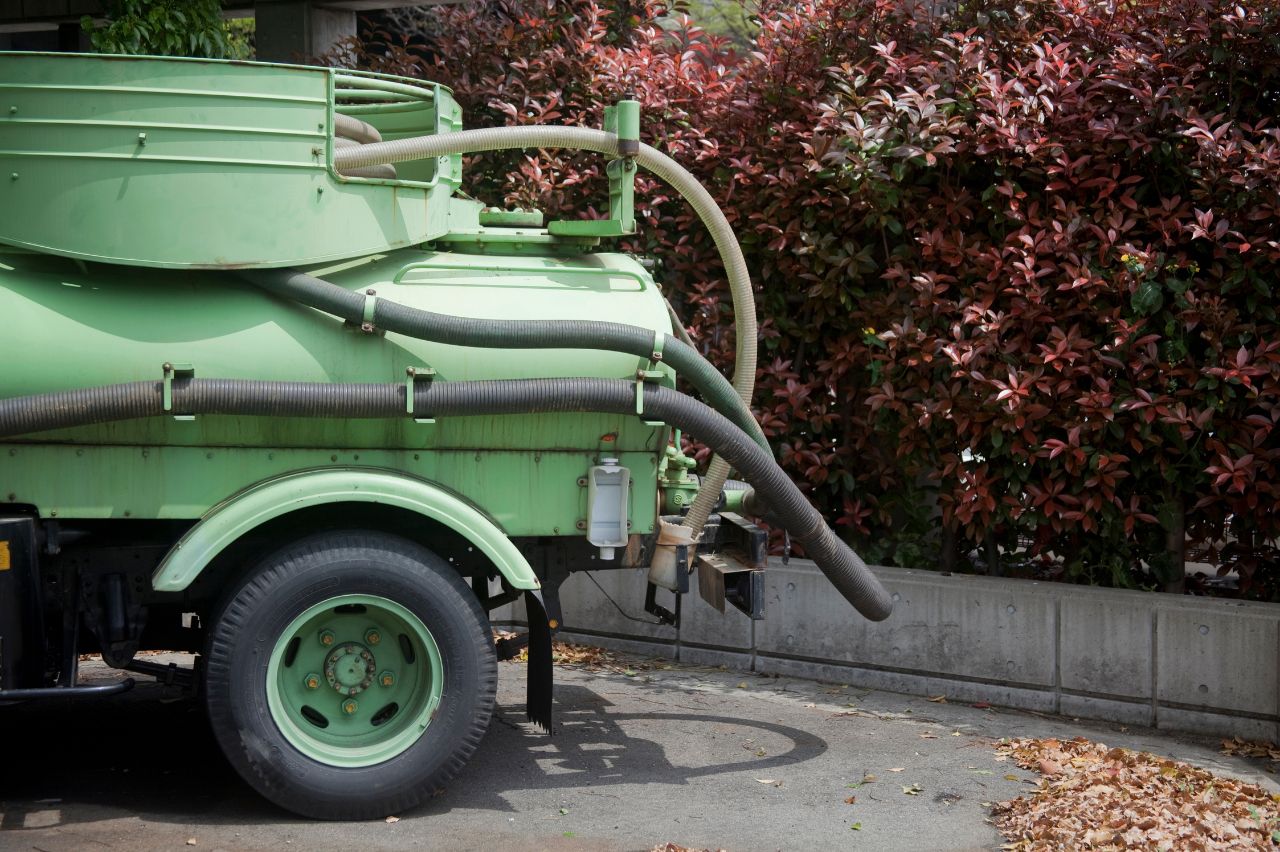
- Specialized Equipment: Those pumper trucks are expensive, powerful machines.
- Expertise: Trained technicians know how to safely access, pump, and inspect your tank without causing damage.
- Disposal: The waste isn't just dumped anywhere; it needs to be transported to a licensed facility for proper treatment and disposal, which incurs significant costs and regulatory compliance.
- Peace of Mind: Knowing your system is functioning correctly prevents messy, costly, and extremely inconvenient backups.
Smart Tips to Keep Your Septic System Happy (And Your Wallet Happier)
Want to minimize the sting of that septic pumping bill? Here are a few friendly tips:
- Know Your Tank: Figure out its size and location. This makes the job quicker and often cheaper.
- Schedule Regularly: Don't wait until there's a problem! Routine pumping every 3-5 years (depending on tank size and household usage) is key.
- Be Water Wise: Reduce water usage where possible. Less water flowing into the tank means less stress on the system.
- Watch What You Flush: Only flush human waste and toilet paper. Avoid wipes (even "flushable" ones!), feminine hygiene products, excessive grease, or harsh chemicals. These can clog your tank and harm the beneficial bacteria that help break down solids.
- Get Multiple Quotes: Don't just go with the first company you call. Compare prices and services.
The Takeaway: It's an Investment, Not Just an Expense!
So, emptying a septic tank might not be the most glamorous topic, but it's a crucial one for maintaining a healthy home. While the cost can vary, understanding the factors involved helps demystify the process. Think of it not as a dreaded expense, but as a vital investment in your home's longevity and your family's comfort. After all, a little preventative maintenance goes a long way in preventing a really big, really stinky headache!
And there you have it! The lowdown on septic tank pumping costs. Who knew talking about waste management could be so... enlightening?