
How Much Do Solar Panels Cost In Massachusetts
Okay, let me set the scene for you. Picture this: it’s the dead of winter, one of those classic Massachusetts days where the wind howls like a banshee and the mercury has taken a personal vacation to Antarctica. You’ve got the heat cranked, maybe a space heater going for good measure (don’t lie, we’ve all done it), and you’re wrapped in a blanket like a human burrito. Then, BAM! The utility bill lands in your inbox, and it’s not just big, it’s galactic. You stare at the numbers, your jaw drops, and you start wondering if heating your home with burning stacks of cash would be cheaper. Sound familiar?
That, my friends, is usually the exact moment when the little lightbulb (or should I say, solar panel) goes off above our heads. We start thinking, "There has to be a better way to power this place without going broke." And for many of us here in the Commonwealth, that thought immediately turns to solar. But then, the next question hits you like a Nor'easter: How much do solar panels cost in Massachusetts, really?
It’s a fantastic question, and one that often comes with a bit of initial sticker shock, I won't lie. Because when you first look at the raw numbers, before all the glorious incentives kick in, it can feel like you’re contemplating buying a small car for your roof. But trust me, there’s a whole lot more to the story, especially when you live in a state like ours that’s actually pretty darn solar-friendly.
Must Read
The Upfront Sticker Shock (and Why It's Not the Whole Story)
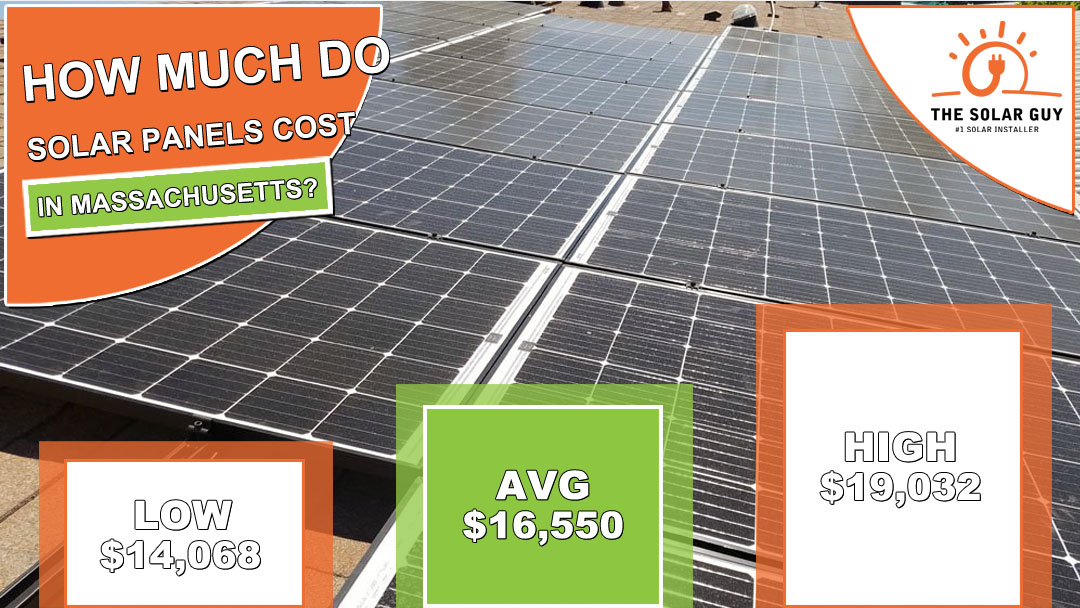
So, let's talk raw numbers first. The typical cost for a solar panel system in Massachusetts generally ranges from about $2.80 to $3.50 per watt before any incentives. What does that mean in real terms? Well, for an average-sized home needing, say, a 6 to 8 kilowatt (kW) system, you might be looking at a gross cost anywhere from $16,800 to $28,000. Phew! That's a chunky sum, right? But hold your horses, because this is where Massachusetts (and Uncle Sam) really step up to the plate.
This is where it gets really interesting, because the "net" cost – what you actually pay out of pocket after all the glorious goodies – is often dramatically lower. We're talking potentially cutting that initial price tag by half, or even more, thanks to a combination of federal and state programs.

The Magical MA Solar Incentives: Where the Savings Happen
Massachusetts is genuinely one of the best states in the nation for solar incentives. We’ve got a buffet of programs designed to make going solar not just environmentally sound, but financially savvy too. Let's break down the big ones:
1. The Federal Solar Tax Credit (ITC): This is a biggie, and it's available nationwide. Right now, it allows you to claim 30% of your total solar system cost as a tax credit. This isn't a deduction; it's money directly off what you owe in federal taxes. So, on that $20,000 system, you're looking at a cool $6,000 back in your pocket.

2. MA SREC II Program (Solar Renewable Energy Certificates): This is where Massachusetts really shines. For every megawatt-hour (MWh) of electricity your panels generate, you earn an SREC. These certificates have a monetary value and can be sold for cash. Think of it like your solar panels are not just generating electricity, they're also printing you money! The value fluctuates, but it's a significant ongoing revenue stream that really boosts your return on investment.
3. Net Metering: This is essentially a "sell back to the grid" program. When your solar panels produce more electricity than your home is using, that excess power gets sent back to the utility grid. In return, you get credits on your electricity bill, effectively reducing or even eliminating your monthly payment. It's like your meter runs backward! Pretty neat, huh?
4. Sales and Property Tax Exemptions: Good news! In Massachusetts, solar panels are exempt from sales tax. Plus, while installing solar panels significantly increases the value of your home (studies show by an average of $15,000!), they are exempt from property tax assessments for a period of time. So, you get the increased home value without the increased tax burden. Win-win!
So, What's the "Net" Cost in Massachusetts?
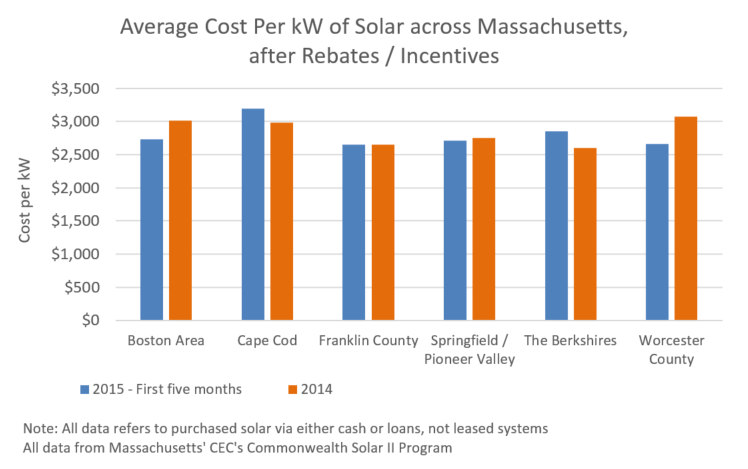
After factoring in all these incredible incentives, the net cost of a solar panel system in Massachusetts can often drop dramatically. That $20,000 system? After the 30% federal tax credit ($6,000), you're down to $14,000. Add in the value from SREC II over the life of the system (which can be substantial) and the savings from net metering, and your true out-of-pocket expense and overall payback period become extremely attractive.
Many homeowners find their net cost per watt falls into the $1.50 to $2.50 range, making a typical 6-8 kW system potentially cost you anywhere from $9,000 to $20,000 after everything is factored in. That's a huge difference from the initial sticker price, isn't it?
Factors That Influence Your Specific Cost
Of course, these are averages. Your actual cost will depend on a few things:
- System Size: Bigger homes, more energy usage, bigger system (and cost).
- Panel Type: Some panels are more efficient or have different aesthetics, influencing price.
- Installation Complexity: Steep roofs, shading issues, or specific electrical upgrades can add to labor costs.
- Installer: Quotes vary, so always get a few!
Is It Worth It?
For most homeowners in Massachusetts, the answer is a resounding YES. Despite our occasionally cloudy skies (hey, it’s New England!), our solar incentives make the financial case incredibly compelling. You're not just saving money on your utility bills; you're increasing your home's value, reducing your carbon footprint, and gaining energy independence. Imagine looking at that galactic utility bill and thinking, "Nope, not me anymore!"
If you've been on the fence, now's a fantastic time to explore it. Get a few quotes, ask all the questions, and see how much you could save. Your wallet (and the planet) will thank you!