How Much Do Process Operators Make
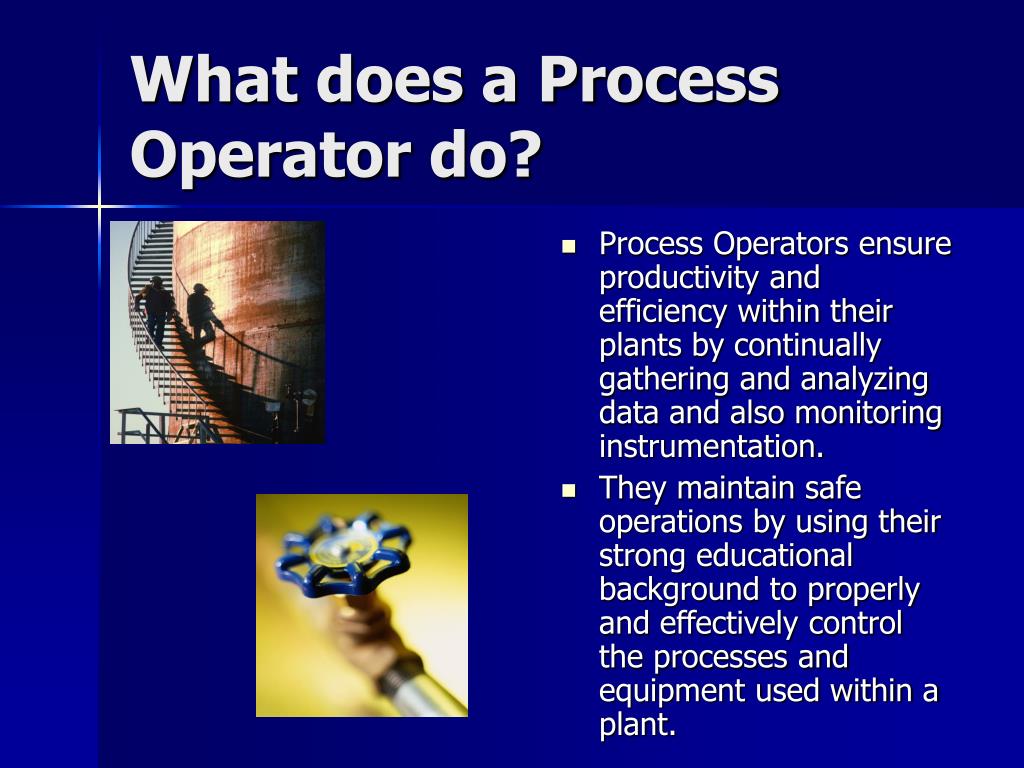
Ever wonder where your gasoline comes from? Or how your favorite candy bars are made? It's not magic, folks. It's the work of process operators! They're the unsung heroes, the quiet conductors of complex industrial symphonies, and they deserve a little spotlight (and, let's be honest, a decent paycheck).
So, how much do these maestros of manufacturing actually rake in? Let's dive in and explore, shall we? Think of it like this: we're not talking about winning the lottery here, but it's definitely more lucrative than, say, starting a competitive thumb-wrestling league.
The Numbers Game: It Depends!
Alright, let's get down to brass tacks. The average salary for a process operator in the United States usually falls somewhere in the range of $50,000 to $80,000 per year. That's a pretty wide range, right? Well, that's because a bunch of factors can nudge that number up or down.
Must Read
Think of it like ordering a pizza. You start with a base price (the average salary), but then you add toppings (factors). The more toppings you add, the higher the price! What are those "toppings" in the process operator world? Glad you asked!
Here are some key ingredients in the "salary topping" recipe:
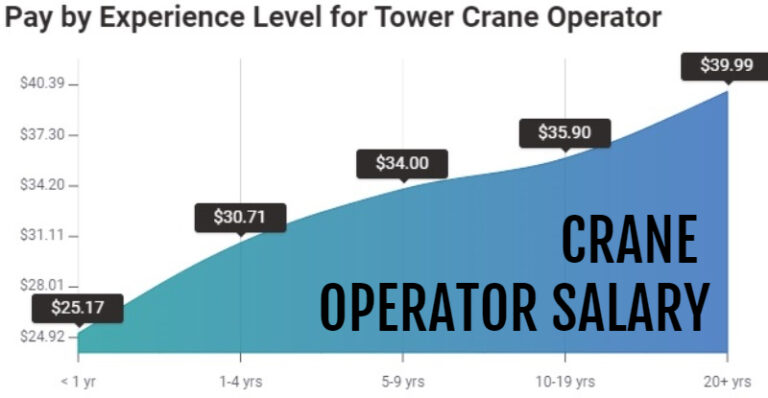
- Experience: This is a big one. A newbie just starting out is going to make less than someone who's been around the block a few times (and probably knows which levers not to pull). Think of it like learning to ride a bike – the more you practice, the faster and more confident you become, and the more valuable you are.
- Location, Location, Location: Just like real estate, where you work matters. If you're slinging valves in a bustling industrial hub like Texas or Louisiana, you're likely to make more than if you're in a place with a lower cost of living (and fewer refineries).
- Industry: Some industries are more profitable (and therefore, pay better) than others. Working in the oil and gas sector, for example, often comes with a higher salary than working in the food processing industry.
- Education & Certifications: While a four-year degree isn't always required, having some kind of technical training, associate's degree, or relevant certifications can definitely boost your earning potential. It's like knowing a secret ingredient that makes your process operating skills extra tasty.
- Overtime: Process industries often operate 24/7, which means there's ample opportunity for overtime pay. And let's be honest, who doesn't love a little extra cash in their pocket? That overtime can seriously beef up your paycheck, sometimes adding thousands of dollars per year.
Beyond the Salary: Perks and Benefits
It's not all about the Benjamins (although, let's be real, it's a significant part). Many process operator positions also come with a sweet package of benefits, including:

- Health Insurance: Because, you know, staying healthy is important.
- Dental and Vision: Gotta keep those pearly whites gleaming and your eyes sharp for those gauges!
- Retirement Plans (401k, etc.): Planning for the future is always a good idea.
- Paid Time Off (Vacation, Sick Leave): Everyone needs a break now and then.
- Training and Development Opportunities: Staying up-to-date on the latest technologies and best practices.
These benefits can add a significant value to your overall compensation package, so don't overlook them when you're considering a job offer. Think of it as the free dessert that comes with your already delicious meal.
The Bottom Line
Being a process operator isn't always glamorous, but it's a vital role that keeps the world turning. The pay is generally good, the benefits are solid, and there's plenty of opportunity for growth and advancement. So, if you're looking for a stable and rewarding career that's not chained to a desk all day, becoming a process operator might just be your golden ticket. Just remember to wear your safety goggles – things can get messy sometimes!