
How Much Copper In Photo Enforcement Cameras

Ever stopped at a red light, only to feel that sudden flash and the sinking realization that you might have just earned a ticket? Those photo enforcement cameras – love ‘em or hate ‘em – are practically everywhere these days.
But have you ever stopped to think about what's inside those things? I mean, beyond the camera itself, the computer, and all that complicated tech? You might be surprised: there's copper in there!
Copper: The Unsung Hero of Traffic Enforcement
Now, before you imagine hordes of copper thieves descending upon intersections with wrenches, let's clarify. We're not talking about solid copper ingots hidden inside those cameras. It’s about the smaller, but still important, amounts of copper that make these devices function.
Must Read
Think of copper like the veins and arteries of the modern world. It conducts electricity, carrying the power that brings our gadgets to life. And photo enforcement cameras? They’re no exception.
How much are we talking, then? It's tricky to say exactly. Camera models vary, and manufacturers aren't exactly publishing a copper inventory list. However, we can make some educated guesses.
Wiring and Connections
The bulk of the copper is likely found in the wiring. These cameras need power, and that power travels through copper wires. From the main power source to the camera itself, and all the internal components, you'll find bundles of these wires.
Then there are the connectors. Think of those tiny metal pins that connect circuit boards and other components. Many of these connectors are also made of copper, or a copper alloy like brass, for its conductivity and durability.
These connectors ensure that signals and power are reliably transmitted throughout the camera's intricate system.
Circuit Boards and Components
Those complex circuit boards, the brains of the camera, are where things get interesting. Circuit boards use thin copper traces to connect all the electronic components.
These traces act like tiny highways, guiding electrical signals to where they need to go. They're often so thin they are barely visible, but they are still critical.
And don't forget the components themselves! Many resistors, capacitors, and inductors use copper in their construction, often in their leads or internal windings.
Estimating the Copper Content
Okay, so we've established that copper is there. But how much? Let's consider a typical photo enforcement camera system.
Imagine a system with a primary camera unit, a processing unit, and potentially even a communication module for transmitting data back to a central office. Each of these components contains varying amount of copper.
A conservative estimate might be that each camera system contains somewhere between 1 and 5 pounds of copper. It's a range, for sure, but it reflects the variability in design and complexity.
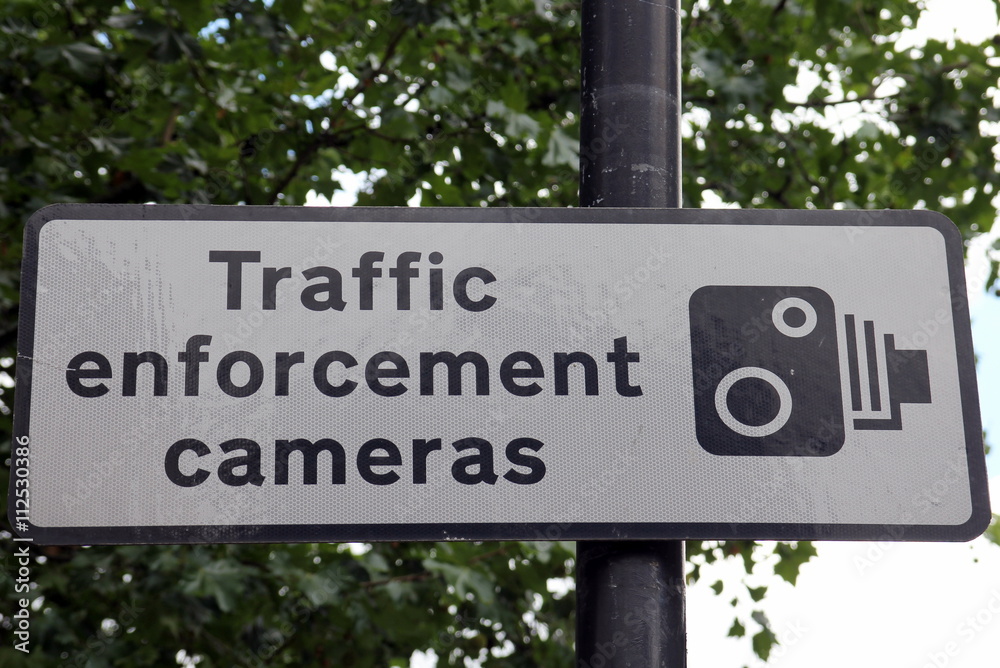
That might not sound like a lot, but multiply that by the number of photo enforcement cameras across a city, a state, or even the country, and you start to see the bigger picture.
The Value of Copper: More Than Just a Metal
Copper, as many know, isn't cheap. It’s a valuable commodity, traded on global markets and subject to price fluctuations based on supply and demand.
While the copper in a single photo enforcement camera might not be enough to retire on, the aggregate value is significant. This is a factor that must be considered in planning for disposal or recycling.
Proper recycling of these cameras ensures that this valuable resource is recovered and reused, reducing the need to mine new copper and minimizing environmental impact.
The Recycling Angle
When these cameras reach the end of their lifespan, responsible recycling is key. Disposing of them improperly could lead to environmental contamination.
Recycling facilities are equipped to handle the complex task of dismantling these devices, separating the various materials, and recovering valuable metals like copper.

This process involves shredding, sorting, and refining, ultimately turning the old cameras into raw materials for new products.
A Funny Anecdote (Hypothetical, of Course!)
Imagine a couple of hapless would-be thieves, inspired by this article, attempting to steal the copper from a photo enforcement camera. They spend hours fiddling with the complicated electronics, only to end up with a handful of wires and a broken camera.
Then, they get a hefty fine for tampering with city property, a far greater cost than the value of the copper they were trying to steal. Serves them right!
Of course, we strongly advise against any such behavior. Leave the copper recycling to the professionals.
Beyond the Copper: The Bigger Picture
The presence of copper in photo enforcement cameras highlights our reliance on this metal in modern technology.
From our smartphones to our cars, from our homes to our infrastructure, copper plays a crucial role in powering our lives.

So, the next time you see a photo enforcement camera, remember that it's more than just a device for catching traffic violators. It's a testament to the ingenuity of modern engineering, and a reminder of the importance of responsible resource management. It's filled with little bits of copper.
It might also be a good reminder to slow down and obey traffic laws! Just saying.
And remember, even seemingly mundane objects like photo enforcement cameras have hidden depths and fascinating stories to tell.
So, keep exploring, keep questioning, and keep discovering the hidden wonders of the world around you!
Who knows, you might just find a new appreciation for the humble metal that keeps our world connected and functioning: copper.
Or, at least, you'll think twice before running that red light!