Ever stopped to think about the air you breathe? It’s not just plain old nothingness, you know. Our atmosphere is like a giant, invisible smoothie, packed with all sorts of ingredients. Most of it is nitrogen and oxygen, which are like the big, friendly fruits. But then there are the tiny, trace ingredients, some of which are super interesting to keep an eye on. One of these is a real atmospheric enigma: Carbon Monoxide, or CO for short.
Now, you might have heard of CO before, perhaps in a warning about faulty heaters or car exhausts. And yes, it’s true, CO can be a very serious gas when it builds up indoors. But what about out in the vast, open atmosphere? How much of this sneaky gas is actually floating around up there, and why do scientists find it so utterly fascinating to track?
Meet the Invisible Tracker
Think of CO as one of the atmosphere's master storytellers, though it tells its tales in whispers. It’s completely colorless, odorless, and tasteless. This makes it a real trickster, right? You can't see it, you can't smell it, you can't taste it – yet it's always there, moving, changing, and giving us clues about what's happening on our planet. It’s like a secret agent in the sky, leaving a trail of breadcrumbs for scientists to follow.
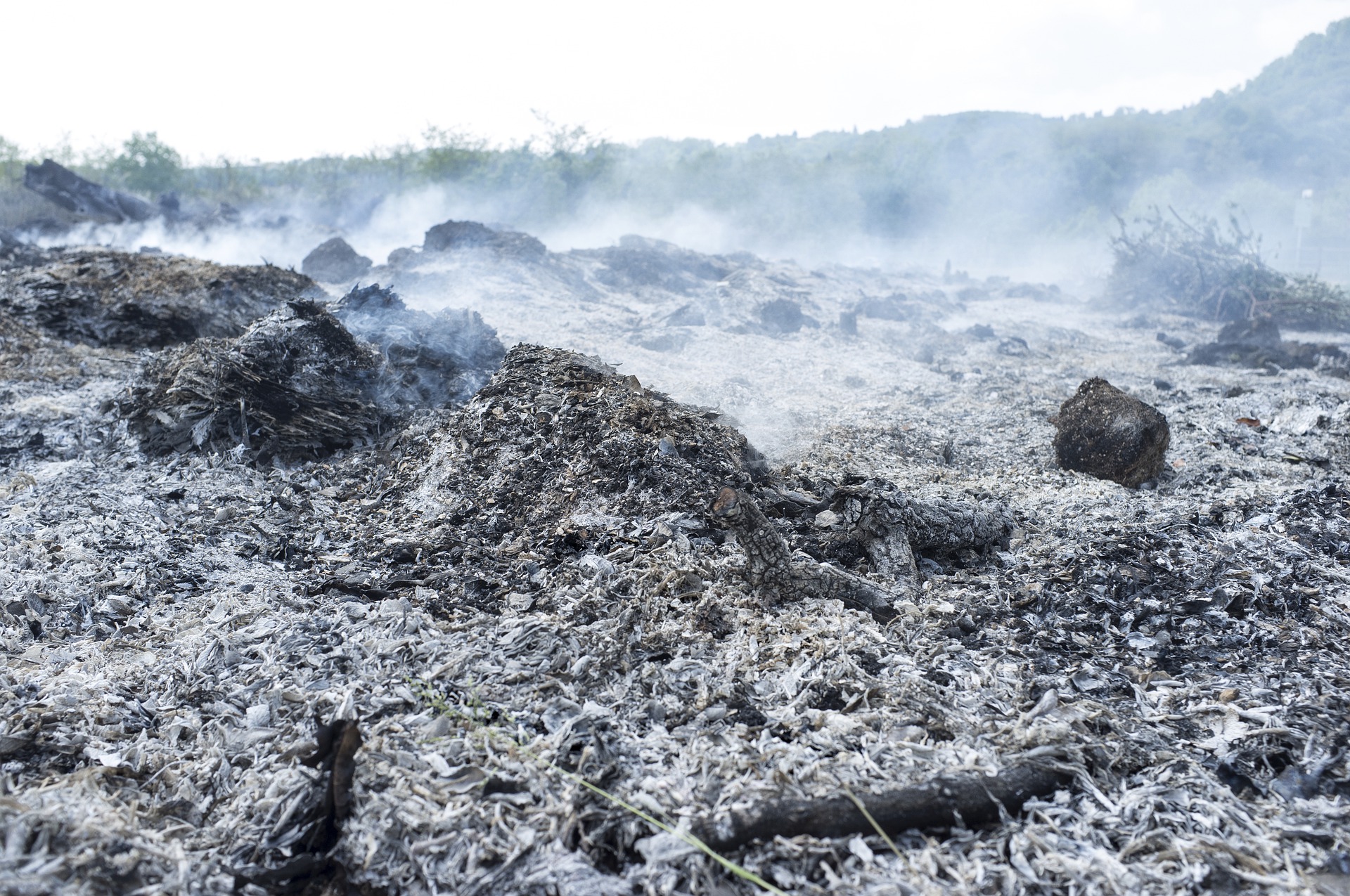
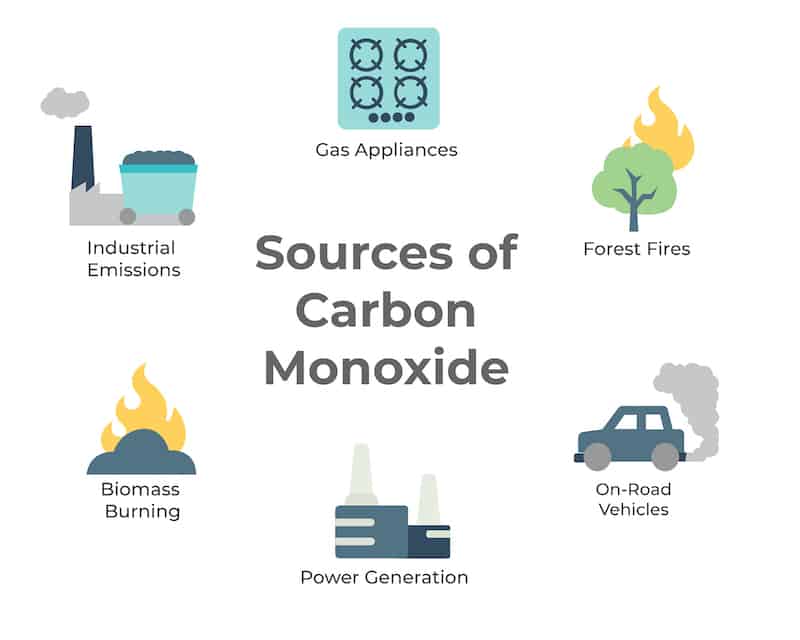
So, what’s its story? Well, CO gets into the atmosphere in a few ways. Nature plays a big role. Think about a roaring forest fire or a dramatic volcanic eruption – these natural events unleash a fair bit of CO. But humans also contribute significantly, mostly through burning things. Our cars, factories, and even wood-burning stoves all release CO into the air. It’s a byproduct of incomplete burning, a sign that the fuel didn't quite combust perfectly.
The Numbers Game: How Much CO is "Normal"?
Here’s where it gets really interesting. In the grand scheme of our atmosphere, CO is actually quite rare. We're talking about incredibly tiny amounts. While oxygen makes up about 21% of our air and nitrogen about 78%, CO is usually measured in parts per billion (ppb). To put that in perspective, if you imagine a giant swimming pool filled with a billion marbles, only a handful of them would be CO.
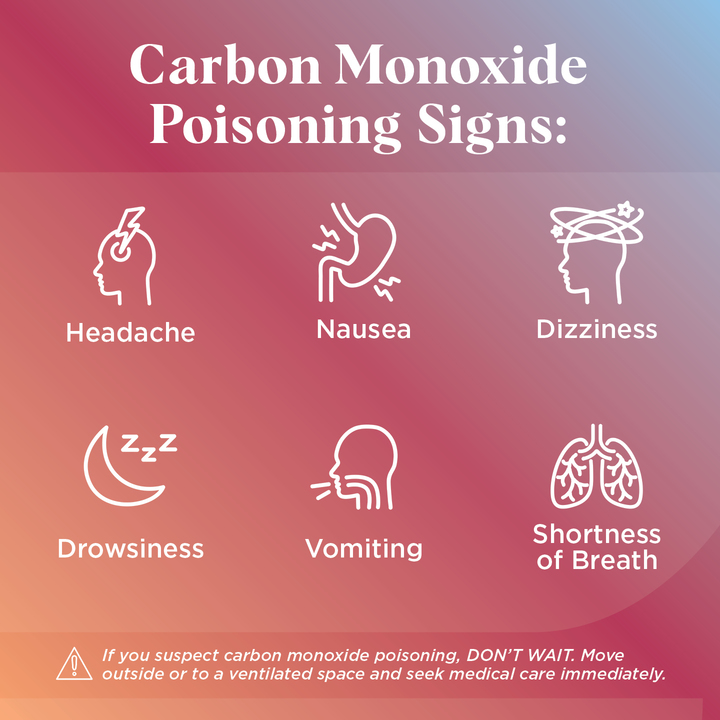
Signs of Carbon Monoxide Poisoning | Rochester Regional Health
Typically, the average global concentration of CO in the atmosphere is somewhere around 50 to 150 ppb. It’s a fluctuating number, like a restless ocean tide. It can be higher in some places, especially near big cities or during wildfire seasons, and lower in others. Scientists are like diligent detectives, constantly monitoring these levels, often using incredible instruments on satellites orbiting Earth. They watch for spikes, dips, and long-term trends, piecing together the planet's atmospheric puzzle.
“Even though it’s a tiny fraction of our air, Carbon Monoxide acts like a global messenger, telling us about everything from distant wildfires to industrial activity.”
How Much Carbon Monoxide Does a Gas Dryer Produce - The Tibble
Why This Invisible Gas is So Special
You might be wondering, if there's so little of it, why bother? Well, that's what makes CO so uniquely special for scientists! Because it doesn’t hang around for ages – it usually lasts for a few months in the atmosphere before breaking down – it acts like a fantastic tracer. It gives us a snapshot of recent activity.
When scientists see a sudden rise in CO over a certain region, it tells them something significant has happened there. Was it a massive fire? A sudden burst of industrial activity? Or maybe even a shift in weather patterns that's affecting how the atmosphere cleans itself?
Carbon Monoxide Poisoning Leaves Thr - International Insight
Tracking CO helps us understand much more than just CO itself. It’s a key ingredient in understanding other air pollutants, atmospheric chemistry, and even how our climate is changing. It's like having a secret decoder ring for the atmosphere, helping us unlock bigger mysteries about our planet's health and the intricate dance of gases that sustain life.
So, next time you take a deep breath, spare a thought for Carbon Monoxide. It’s an invisible, odorless component of our air, present in tiny but significant amounts. Far from being just a warning sign in our homes, it’s a crucial clue, a silent messenger, and a truly special storyteller in the ongoing saga of our amazing atmosphere. And that, we think, is pretty cool to know!