
How Much Carbon Monoxide Is In The Air

Ever take a deep breath and wonder what invisible guests might be hanging out in the air around you? Most of the time, we don't give it a second thought, which is usually a good thing! But there's one particular invisible guest, a real sneak, that's worth getting to know a little better: carbon monoxide, or CO for short.
Now, don't let the name scare you. CO is just another molecule floating around, but it's one with a bit of a reputation. Unlike its friendly cousin, carbon dioxide (CO2), which we exhale and plants adore, carbon monoxide is a colorless, odorless, and tasteless gas. Think of it as the ultimate ninja – it can be there, right under your nose, without you ever knowing.
So, How Much CO Is Normally In The Air We Breathe?
Good news first! When you're out and about, strolling in a park, or just enjoying a breezy day, the amount of carbon monoxide in the ambient air is usually incredibly, wonderfully low. We're talking whisper-quiet levels, often just a few parts per billion (ppb). To put that into perspective, imagine a giant Olympic-sized swimming pool. A few parts per billion would be like finding just a few drops of a specific colored dye in that entire pool. It's barely there!
Must Read
Even in bustling cities with lots of traffic, outdoor CO levels rarely climb above 9 parts per million (ppm) for an 8-hour period, and usually much lower. A "part per million" is like finding one specific penny if you had a million pennies. So, nine pennies out of a million isn't a huge amount when it comes to air you can disperse into a giant sky.
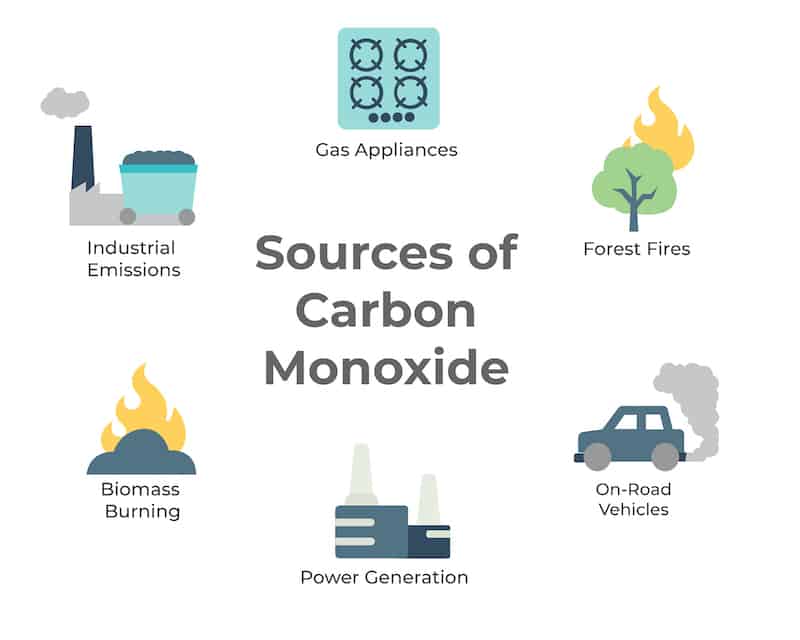
These background levels come from a mix of natural sources, like volcanic eruptions (Earth just doing its thing!) and wildfires, as well as human activities like cars, industrial processes, and power plants. But because our atmosphere is so vast, these outdoor concentrations are generally diluted to very safe levels. So, for the most part, when you're outside, you can breathe easy without a worry about CO.
Why Should We Care About This Invisible Guest, Then?
Ah, here's where our story takes a little turn. While outdoor CO levels are generally harmless, the real concern, the big "uh-oh," happens when CO gets trapped and builds up in enclosed spaces. Think of it like this: inviting a tiny, harmless puppy into your big garden is fine. But if you accidentally lock that same puppy in a small closet with you, things get cramped and potentially problematic. The danger with CO isn't just that it exists, but that it can become concentrated.
Our homes and workspaces are those "closets" where CO can get trapped. And where does it come from indoors? Often, it's from everyday things:
- Your trusty gas furnace if it's not maintained.
- A gas stove or oven, especially if used for heating (a big no-no!).
- A clogged chimney from your fireplace.
- Gas-powered generators used too close to or inside the house.
- Even charcoal grills or car engines running in an enclosed garage.
These sources, when not properly vented or maintained, can start pumping CO into your indoor air. And because CO is so good at being invisible, you won't smell it, see it, or taste it until it starts causing problems.
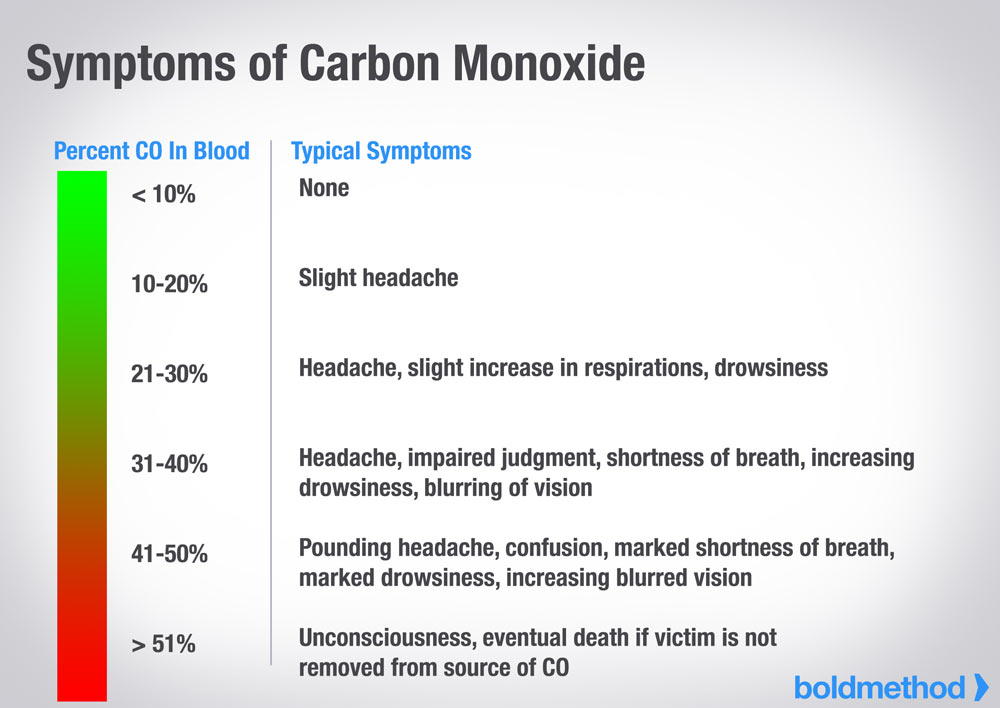
Imagine waking up with a headache that feels like you've been listening to heavy metal all night, or feeling a bit dizzy, like you just stepped off a merry-go-round. Perhaps you feel unusually tired, like you pulled an all-nighter even though you got plenty of sleep. These subtle symptoms are CO's sneaky way of saying, "Hey, I'm here, and I'm causing trouble!"
The Nitty-Gritty (Still Fun, We Promise!)
So, what does CO actually do? It's a real bully to your blood. Your red blood cells usually love to pick up oxygen and deliver it all around your body. But CO is a pushy passenger. It's much better at attaching to your red blood cells than oxygen is – about 200 times better! So, if there's CO in the air, your blood cells will grab it instead of oxygen, essentially starving your body of the oxygen it needs to function. Not so fun now, right?

Your Indoor Superheroes: What You Can Do!
Don't worry, this isn't a horror story! Knowing about CO empowers you to be a superhero in your own home. The easiest and most effective defense? A carbon monoxide detector.
Think of it as your little guardian angel, always on alert. These gadgets are like the smoke detectors of the CO world, and they'll beep loudly if CO levels rise to dangerous concentrations. Place them near sleeping areas and on every level of your home. It’s a small investment for massive peace of mind, costing about as much as a nice meal out.

Other superhero moves include:
- Getting your heating system, water heater, and any other gas, oil, or coal-burning appliances serviced annually by a qualified technician. Think of it as a yearly check-up for your home's lungs!
- Never using gas ovens or ranges to heat your home. They’re for cooking, not for cozying up!
- Ensuring proper ventilation for all fuel-burning appliances.
- And the golden rule: never, ever run a car or generator in an enclosed space like a garage, even with the garage door open. That's a surefire way to trap high levels of CO.
Breathe Easy!
So, the takeaway? Outdoor air generally has negligible amounts of carbon monoxide, and you really don't need to stress about it when you're out enjoying the world. But indoors, CO can become a serious, silent threat. By understanding what it is and taking a few simple, smart precautions – especially installing CO detectors – you can keep your home safe and truly breathe easy.
Stay cozy, stay safe, and let those superhero detectors do their job!