How Many Watts Is A Dryer
Ever stared at your electric bill and wondered, "Just how much power does that big, rumbling box full of wet clothes actually use?" You're not alone! Understanding how many watts a dryer uses might seem like a niche topic, but it's actually incredibly useful, a little bit fascinating, and can even save you some cash. It demystifies one of the biggest energy consumers in your home, turning a simple appliance into a window into your household's power habits.
This information is surprisingly beneficial for a few different folks. For beginners or anyone just trying to get a handle on their home's energy use, knowing your dryer's wattage is a fantastic first step. It helps you grasp basic electricity concepts and understand why your electric bill might fluctuate. For families, it's gold for budgeting. When you know how much power your dryer pulls, you can make more informed decisions about energy-saving cycles, or even whether an older model is costing you more than it's worth. And for the more hands-on hobbyists, or those planning for emergencies, this knowledge is crucial for things like sizing a generator for a power outage, or even for planning a home solar setup. It’s all about being empowered with information!
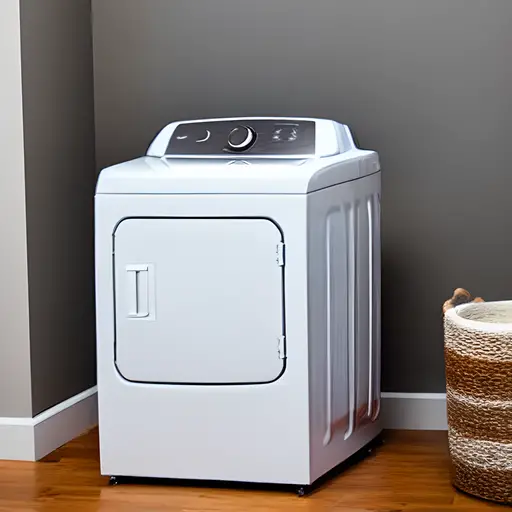
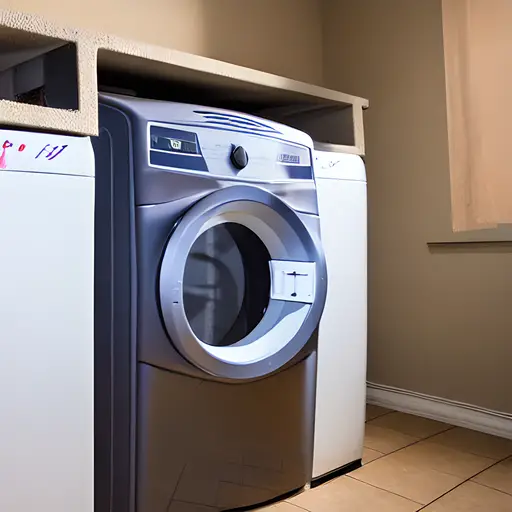
So, let's talk numbers. The wattage of a dryer isn't a single, fixed number because there are a few variations. Most common electric clothes dryers are serious power hogs, typically consuming anywhere from 2,000 to 6,000 watts. That's a lot! They need a dedicated 240-volt circuit because they generate a significant amount of heat. On the flip side, gas dryers are a different beast. While they still need some electricity to tumble the clothes, power the lights, and run the electronic controls, their heat comes from natural gas. So, their electrical wattage is much lower, often only around 200 to 500 watts. Then you have more compact or portable electric dryers, which might draw less, perhaps 1,000 to 2,000 watts, making them more suitable for standard 120-volt outlets. And don't forget modern heat pump dryers, which are highly efficient and tend to have lower peak wattage draw, though they might run for longer cycles.
Must Read
Ready to uncover your dryer's power secrets? Here are a few simple, practical tips: First, the easiest way to find your dryer's wattage is to check the appliance label. It's usually a sticker located on the back, inside the dryer door, or sometimes on the control panel. Look for "W" for watts, "kW" for kilowatts (1kW = 1000W), or "Amps" and "Volts" – you can multiply Amps by Volts to get approximate wattage (P=V*I). If you're considering buying a new one, always look for the Energy Star label, as these models are designed to use less energy. If you're thinking about a generator, remember that dryers, with their motors, often have a higher starting (surge) wattage than their running wattage, so account for that spike!
Understanding how many watts your dryer uses is more than just a trivial fact; it’s a piece of knowledge that contributes to a deeper understanding of your home, your energy consumption, and ultimately, your wallet. It’s empowering to know what’s going on behind the scenes, turning you from a passive user into an informed and savvy energy manager!