
How Many Valence Electrons Does Se Have
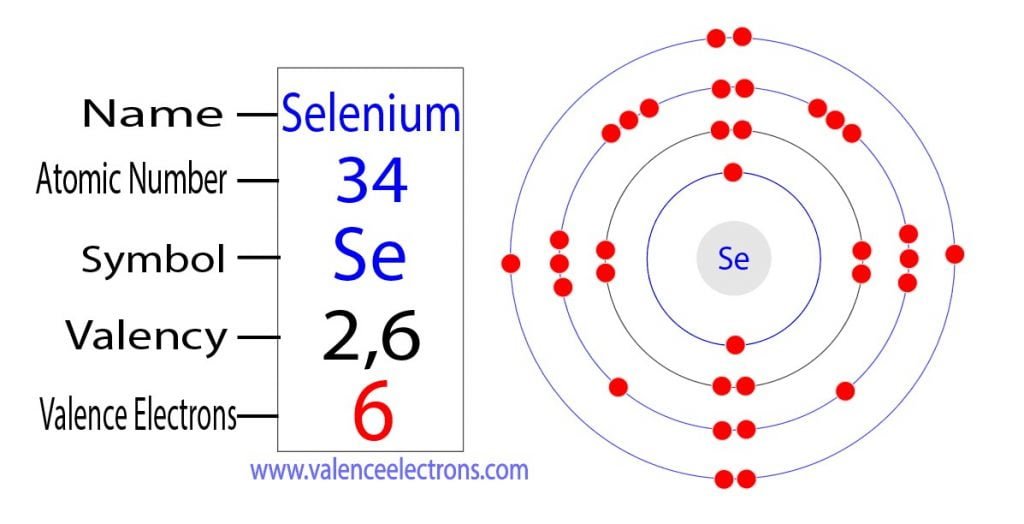
Hey there, chemistry comrade! Ever been staring at the periodic table and thought, "Ugh, what ARE valence electrons, and WHY do I need to know?" Don't worry, we've all been there. Today, we're tackling a specific question: How many valence electrons does Selenium (Se) have? Spoiler alert: it's easier than trying to parallel park on a busy street.
First things first, let's break down what valence electrons actually are. Think of them as the "outgoing" electrons of an atom. They're the ones on the outermost energy level, the cool kids hanging out on the edge of the atom, ready to bond and mingle with other atoms. Basically, they determine how an element behaves chemically. No pressure, valence electrons!
So, why are they so important? Well, they're the ones responsible for forming chemical bonds. They dictate whether an element is going to be a social butterfly, easily forming bonds with everyone, or a bit of a loner, preferring to keep to itself. Knowing the number of valence electrons tells us a LOT about an element's reactivity.
Must Read
Finding Selenium on the Periodic Table (and its Friends!)
Alright, time to hunt for Selenium! Grab your trusty periodic table (or Google it – no judgment here!). You'll find Selenium in Group 16 (also sometimes labeled as 6A) – that's the column right next to the halogens (like Chlorine and Fluorine). Think of Group 16 as Selenium's posse – they all have something in common.
And that "something," my friend, is… drumroll please… the number of valence electrons! Elements in the same group (vertical column) of the periodic table have the same number of valence electrons. This is SUPER handy because it means you don’t have to calculate it for every single element in the group. Just figure it out for one, and you've got the answer for the whole gang!
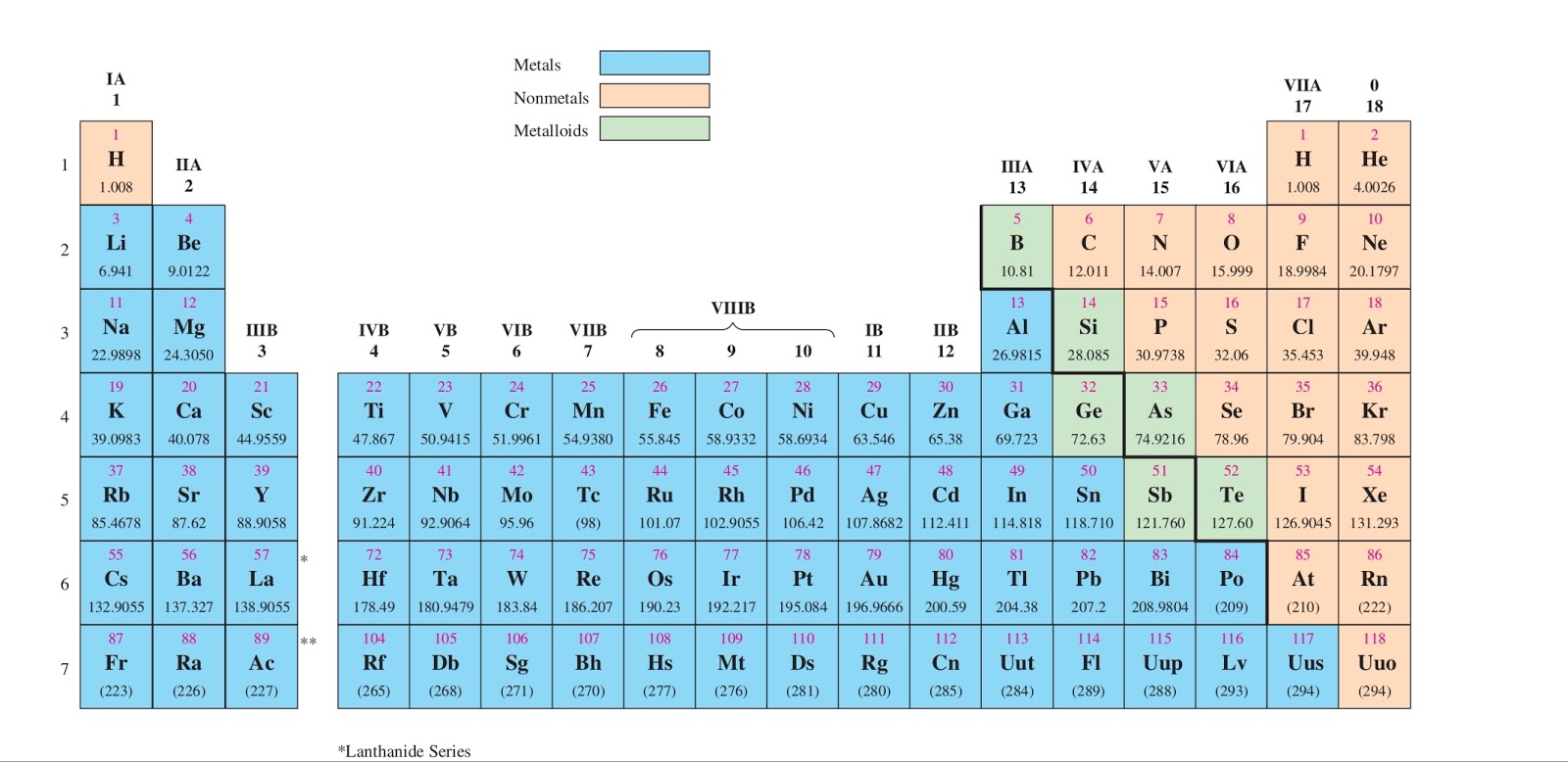
Consider Oxygen (O), right above Selenium. It's in Group 16. You might already know that Oxygen loves to form bonds – in fact, it's practically obsessed with it! That’s because it needs a couple of electrons to complete its outer shell.
The Grand Reveal: Selenium's Valence Electrons
Okay, enough suspense! Here's the big answer: Selenium has six valence electrons. Ta-da! 🎉

How do we know? Because it's in Group 16! Every element in Group 16, from Oxygen at the top to Polonium (Po) at the bottom (and even Livermorium (Lv), if you're feeling adventurous!), has six valence electrons. It's like a secret club, and "six valence electrons" is the secret handshake.
Think of it like needing eight slices of pizza to feel complete. Selenium already has six, so it needs just two more to reach that perfect pizza satisfaction (or, you know, achieve a stable electron configuration). This makes Selenium quite reactive, eager to form bonds to snag those last two electrons. It can do this in several ways, making it a versatile element in various chemical reactions.
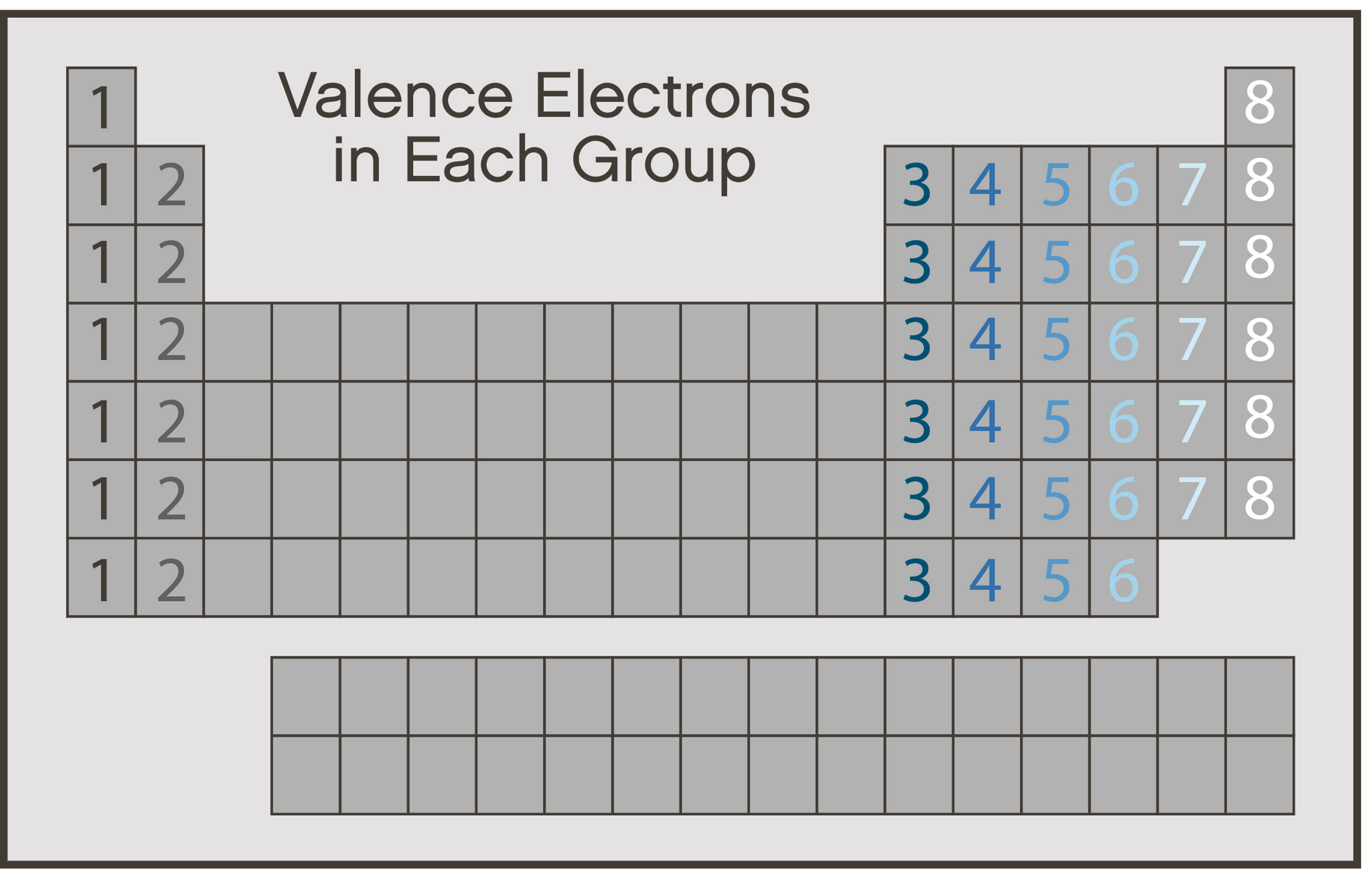
Quick tip: For the main group elements (the ones in the 's' and 'p' blocks – the tall columns on either side of the periodic table), the group number often (but not always) tells you the number of valence electrons. Group 1 has one, Group 2 has two, skip over the transition metals for now, Group 13 has three, Group 14 has four, Group 15 has five, Group 16 has six, Group 17 has seven, and Group 18 has eight (except for Helium, which only has two). Easy peasy, lemon squeezy!
Why Should I Care? (Besides Acing My Chemistry Test)
Okay, so you know Selenium has six valence electrons. But why is this important in the real world? Well, Selenium is used in all sorts of things! It's in solar cells, helping to convert sunlight into electricity. It's in some types of glass and ceramics. It's even a nutrient, though you only need a tiny bit of it. Knowing how Selenium behaves chemically, which is dictated by those six valence electrons, is crucial for understanding how it works in these applications.
%2C+sulfur+(S)+and+selenium+(Se)+have+6+valence+electrons!.jpg)
Imagine trying to build a solar panel without knowing how Selenium interacts with other materials. It would be like trying to bake a cake without knowing the ingredients! Understanding valence electrons is the fundamental building block of understanding chemistry itself.
So there you have it! Selenium, sitting pretty with its six valence electrons, ready to bond and play its part in the chemical world. You conquered another chemistry concept! Go forth and impress your friends with your newfound knowledge. They'll be amazed at how effortlessly you can spout off the number of valence electrons for random elements. And if they're not impressed, well, you know the truth: you're a chemistry rockstar!
Keep exploring, keep learning, and remember that even the most complicated topics can be broken down into bite-sized pieces. You've got this! Now go treat yourself to some pizza – you've earned it. (Maybe even six slices!)