
How Many Valence Electrons Does Ne Have
The Great Neon Number Game: My Bold (and Maybe Wrong) Take
Let's talk neon. You know, that gas that makes signs glow all sorts of awesome colors? It's on the periodic table, chilling in the noble gas section. But how many valence electrons does it really have?
The Officially Accepted Answer (Yawn)
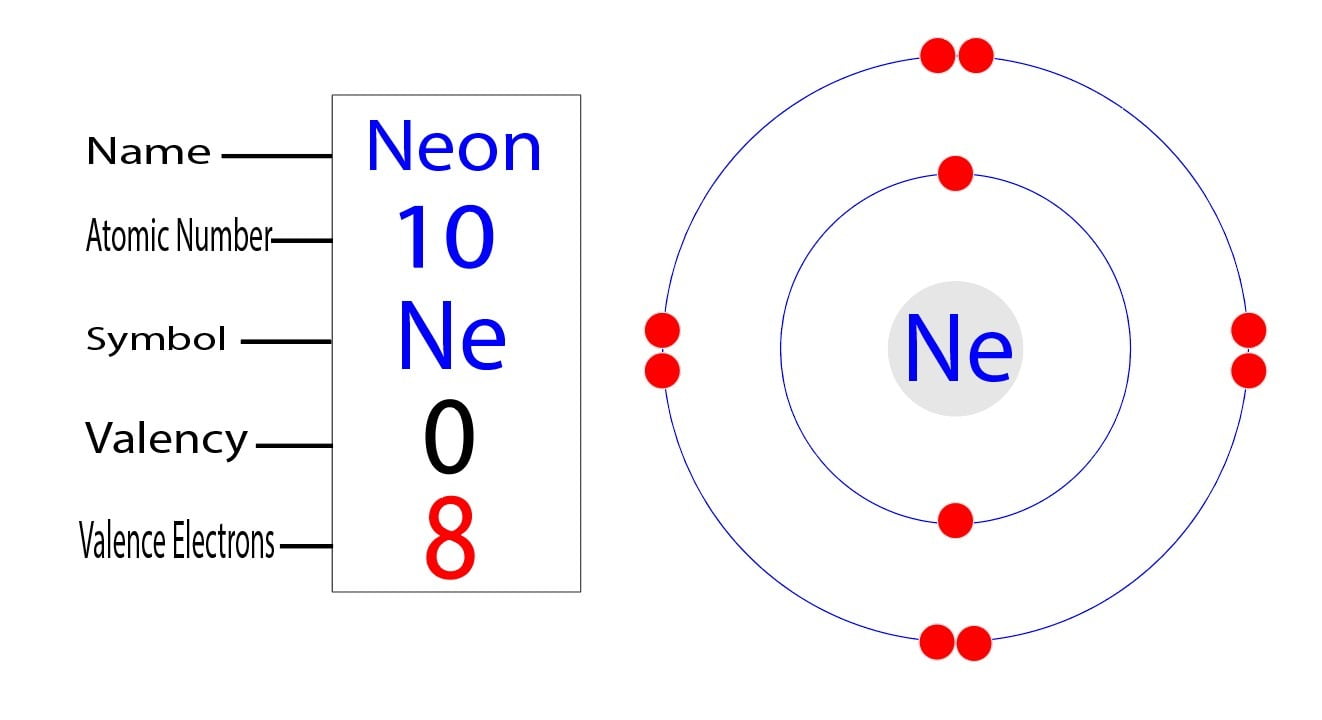
Okay, okay, the textbooks say eight. Eight valence electrons. It's the perfect, stable octet. It's why neon is so unreactive, so...blah. Bor-ing.
They say it's already "full." Like that feeling after Thanksgiving dinner. No room for more electrons. No room for more excitement!
Must Read
My Unpopular Opinion (Hold On Tight!)
But here's where I get a little rebellious. A little... controversial. I think neon is secretly lying.
Hear me out! Is it really that happy with eight? Doesn't a little voice inside neon whisper, "I want more!"? Maybe, just maybe, it's got hidden potential. Maybe neon just has a high standard.
Like that super picky friend who says they're happy single. But you know deep down they're just waiting for the perfect partner.
The "Full Shell" Argument: A Weakness?
They say neon's outer shell is "full." But what even is a full shell anyway? Some arbitrary limit someone made up!
Think about it. If shells can hold more electrons in later periods, why not neon? Maybe it's just playing hard to get.

Maybe neon is just very good at maintaining personal space.
Considering the Other Noble Gases
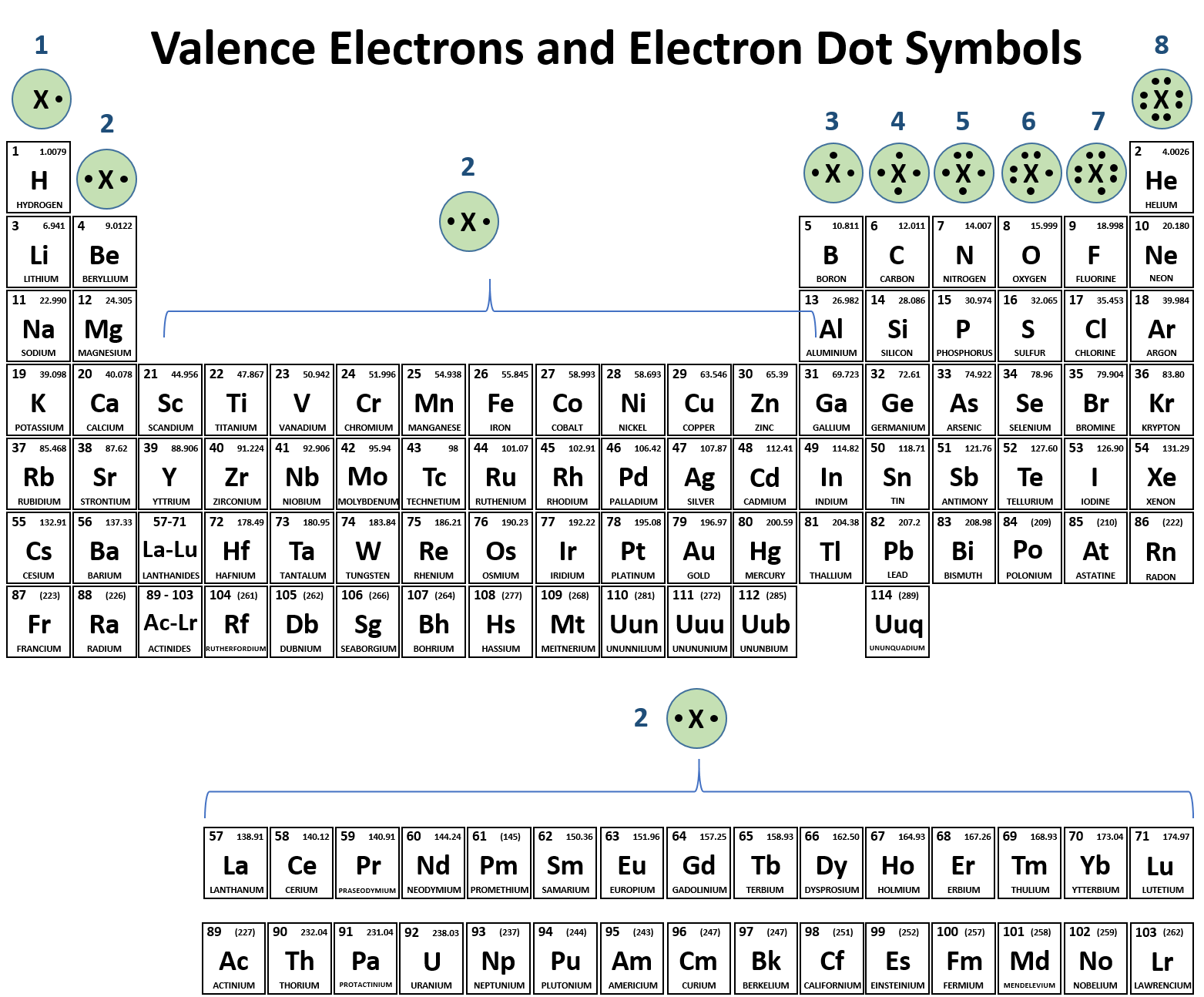
Sure, argon, krypton, xenon...they all claim eight too. They're all in the "noble gas club" of apparent inertness. It is a pretty exclusive club.
But let's not forget that xenon can form compounds. It breaks the "octet rule." It shows us that these rules are more like guidelines.
Xenon is the rebel cousin that goes off road. Just because your cousin does it, doesn't mean its right. It's just fun.
What if Neon is Just...Shy?
Maybe neon wants to bond. Maybe it dreams of forming colorful, exciting compounds. But it's just too afraid of rejection.
Imagine neon at a party. It's standing in the corner, looking cool and detached. But secretly, it's hoping someone will come talk to it.
Maybe we just need to give neon a little encouragement. A little nudge.
The Evidence (I'm Making It Up As I Go)
Okay, so I don't have scientific proof that neon secretly wants more valence electrons. But I have... intuition.
Think about the glow! That intense, vibrant light can't be coming from a boring, satisfied atom. It's pure, untapped potential!
That glow is the evidence that neon could be more.

My Proposal: Neon Has Twelve Valence Electrons (Maybe)
So here's my wild, utterly unsupported claim: Neon could have twelve valence electrons. Or ten. Or some other number that's more exciting than eight.
Okay, maybe not. Probably not. But wouldn't it be cool if it did? Think of the possibilities! The new compounds! The revolutionary technology!
We need more elements with 12 valence electrons to invent teleportation.
The Reality (Sigh)
Fine. I know. Neon probably has eight valence electrons. It's stable. It's unreactive. It's... well, it's neon.
But a girl can dream, right? A girl can imagine a world where neon is a wild, unpredictable element, bonding with everything in sight.

Maybe if we all collectively believe it, neon will finally embrace its inner electron rebel.
A Final Thought (Before I Get Yelled At)
So, while the accepted answer is eight, I encourage you to question everything. Even the seemingly settled scientific facts.
Because sometimes, the most interesting discoveries come from challenging the status quo. And from just plain having fun.
Maybe next time, think about the elements you interact with and their secrets.
So, is neon's valence shell capacity eight? I like to think no!
"The key is to ask questions, and neon may just have the answers!"