How Many Smoke Breaks Can An Employee Take
Ever found yourself at work, watching a colleague step out for another quick puff, and a little thought bubbles up: "How many of those do they get?" Or maybe you're the one stepping out, wondering if you're overdoing it. It’s a common, often unspoken, curiosity in many workplaces, and it touches on something surprisingly fundamental about work-life balance, fairness, and company culture. This isn't about judging anyone's habits, but rather a relaxed dive into a workplace dynamic that's far more interesting and complex than it first appears!
The question of "how many smoke breaks" isn't just idle office chatter; it serves a real purpose. Understanding the nuances around this topic helps to foster a more equitable and transparent work environment. For employees, it clarifies expectations and rights regarding all types of breaks, not just those involving cigarettes. For managers and HR professionals, it's crucial for crafting fair policies that support employee well-being while maintaining productivity. The benefit? A workplace where everyone feels understood, and where policies are clear, reducing potential friction and boosting overall morale. It’s about creating a level playing field, where all employees feel valued, regardless of their personal habits.
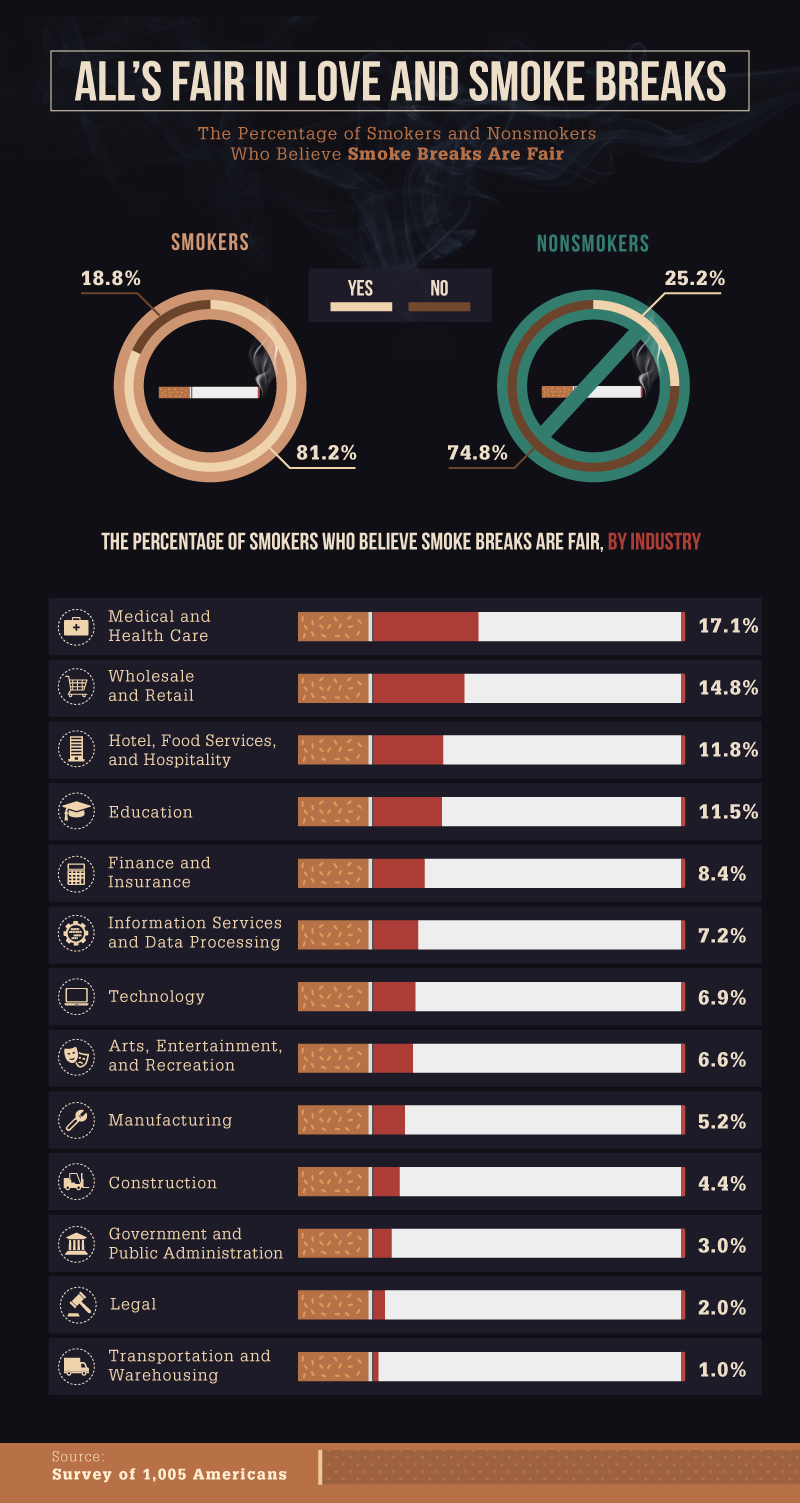
This topic pops up in various aspects of our lives, often without us realizing it. In an educational setting, it's a fantastic case study in Human Resources management courses or business ethics classes. Students might analyze labor laws, discuss policy implementation, or debate the balance between individual freedom and company productivity. It sparks conversations about workplace diversity, considering how different needs and habits can be accommodated fairly. In daily life, it plays out whenever you interact with colleagues. As an employee, you might review your company handbook to understand your specific break entitlements. As a manager, you're constantly evaluating how to apply policies consistently, ensuring fairness between someone who takes a five-minute smoke break and someone who takes a five-minute walk to stretch their legs or grab a coffee. We see different approaches in various companies – some are very strict, others operate on a more flexible honor system – highlighting the diverse ways this issue is managed.
Must Read
So, how can you explore this fascinating topic yourself? First, if you're an employee, a great starting point is your own company handbook or HR policy document. These usually outline official break schedules and rules. If they're vague on specific types of breaks, a friendly chat with an HR representative can provide clarity. For those in leadership roles, it’s beneficial to research local labor laws concerning breaks and to look at best practices from other industries. Consider developing a clear, written policy that addresses all types of breaks, focusing on duration and frequency rather than the activity itself. This promotes fairness and avoids singling out specific habits. On a more general level, simply observe and reflect: How do different types of breaks (smoke, coffee, stretching, screen break) impact individual and team productivity? How does your company culture approach flexibility? By asking these questions, you contribute to a more mindful and understanding workplace for everyone. It's not just about smoke breaks; it's about the bigger picture of how we work, rest, and interact.