
How Many Smoke Alarms Do You Need In A House
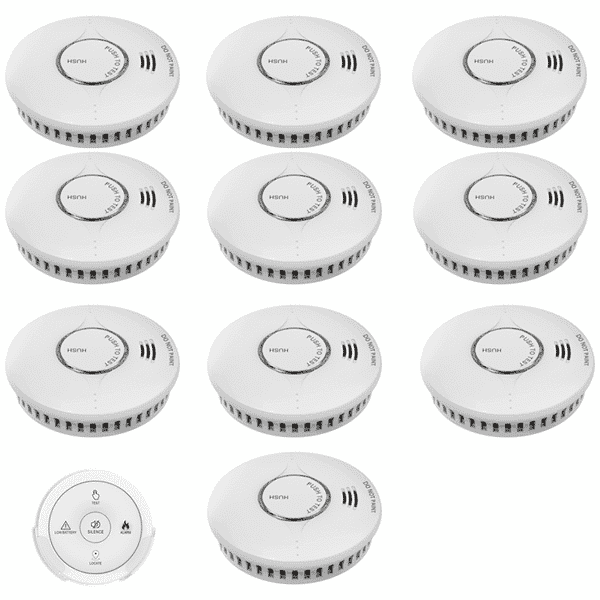
Hey there, friend! Grab a coffee, let’s chat. Ever been jolted awake at 3 AM by that infernal, high-pitched chirp? You know, the one that tells you a battery is dying a slow, painful death in some smoke alarm you completely forgot existed? Yeah, me too. It’s usually followed by a frantic search, a chair ballet, and a moment of wondering: how many of these things do I even have? And more importantly, how many smoke alarms do I actually need in my house?!
It’s a great question, isn’t it? One we often don't think about until it's too late, or until that little red light starts blinking menacingly. But honestly, it’s one of the most important questions for keeping your home and your loved ones safe. No pressure, though! We’re just talking about peace of mind here, right?
Why So Many Alarms, Anyway?
Before we dive into the nitty-gritty numbers, let’s just quickly remind ourselves why these little heroes exist. Smoke alarms aren't just there to annoy your cat; they’re your earliest warning system. Fires can spread incredibly fast, especially when you’re asleep. Those precious minutes an alarm buys you can literally mean the difference between getting out safely and, well, not. So, we're not aiming for an alarm party here, but a fortress of safety, if you will.
Must Read
The Golden Rule: Every Level, Every Sleeping Area
Okay, let’s get down to brass tacks. The general consensus, backed by fire safety experts and building codes (which, let's be honest, usually have our best interests at heart), is pretty straightforward. Think of it as a three-pronged approach:
First up: Every single level of your home. Yep, basement included, even if it’s just for storage. Main floor? Upstairs? All of them need at least one alarm. If you’ve got an attic that’s livable space, guess what? Alarm time!

Second: Inside every sleeping area. This means every bedroom. No exceptions. If someone sleeps there, even occasionally, there needs to be an alarm in that room. Guest bedroom? Check. Teenager’s messy cave? Double check.
And third, arguably just as crucial: Outside every sleeping area. Think hallways, landings, or common areas that lead to bedrooms. If a fire starts in the living room and blocks the hallway to the bedrooms, you want an alarm to go off before the smoke reaches the sleeping occupants. Makes sense, right? It’s about creating an early warning perimeter.

Where Else Should You Think About?
So, we've covered the basics. But we can be a bit savvier, can't we? Let's add a few bonus rounds to our smoke-detecting superhero training:
-
Near the kitchen (but not IN it): Cooking fires are super common. You don’t want your alarm shrieking every time you make toast, but having one nearby, say, in the dining room or hallway just outside the kitchen, is a smart move. It catches smoke from kitchen fires without getting triggered by everyday sizzles.
-
Near utility rooms: If you have a furnace, water heater, or laundry room, these are all potential ignition sources. An alarm in the vicinity is a good idea.
How Many Smoke Alarms Do You Need In A House at Greg Stone blog -
Large rooms: If you have a massive living room or a sprawling open-concept space, one alarm might not cut it. Consider adding another one if the room is particularly big, covering more than, say, 30 feet of space.
A Quick Note on Types & Interconnectivity
While we’re talking about numbers, it’s worth a tiny detour to types. There are different kinds of smoke alarms (photoelectric, ionization, and dual sensor), each better at detecting different types of fires. Many experts now recommend dual-sensor alarms or a mix of both types. Even better? Interconnected alarms. This means if one alarm goes off, all of them go off. It’s like an alarm choir, ensuring everyone in the house hears the warning, no matter where the smoke starts. Hardwired ones often come interconnected, but you can get wireless ones too!
/GettyImages-678883111-c0064ff98e7e4a83932195ba64d2b419.jpg)
The Takeaway: Don't Skimp, Don't Panic!
So, to sum it up: You likely need more smoke alarms than you currently have, or at least more than you initially thought. It’s not about overkill; it’s about strategic placement for maximum safety. Think of your house as having zones, and each zone needs its little sentinel.
Check your current setup. Do you have one in every bedroom? Outside every bedroom? On every level? If not, it's an easy fix that buys you a huge amount of peace of mind. And remember, test them monthly and change those batteries yearly (or just swap to 10-year sealed ones for ultimate chill). Your future, well-rested self will thank you for not having a 3 AM battery emergency!
Stay safe out there!