How Many Polyphenols In Atlas Olive Oil
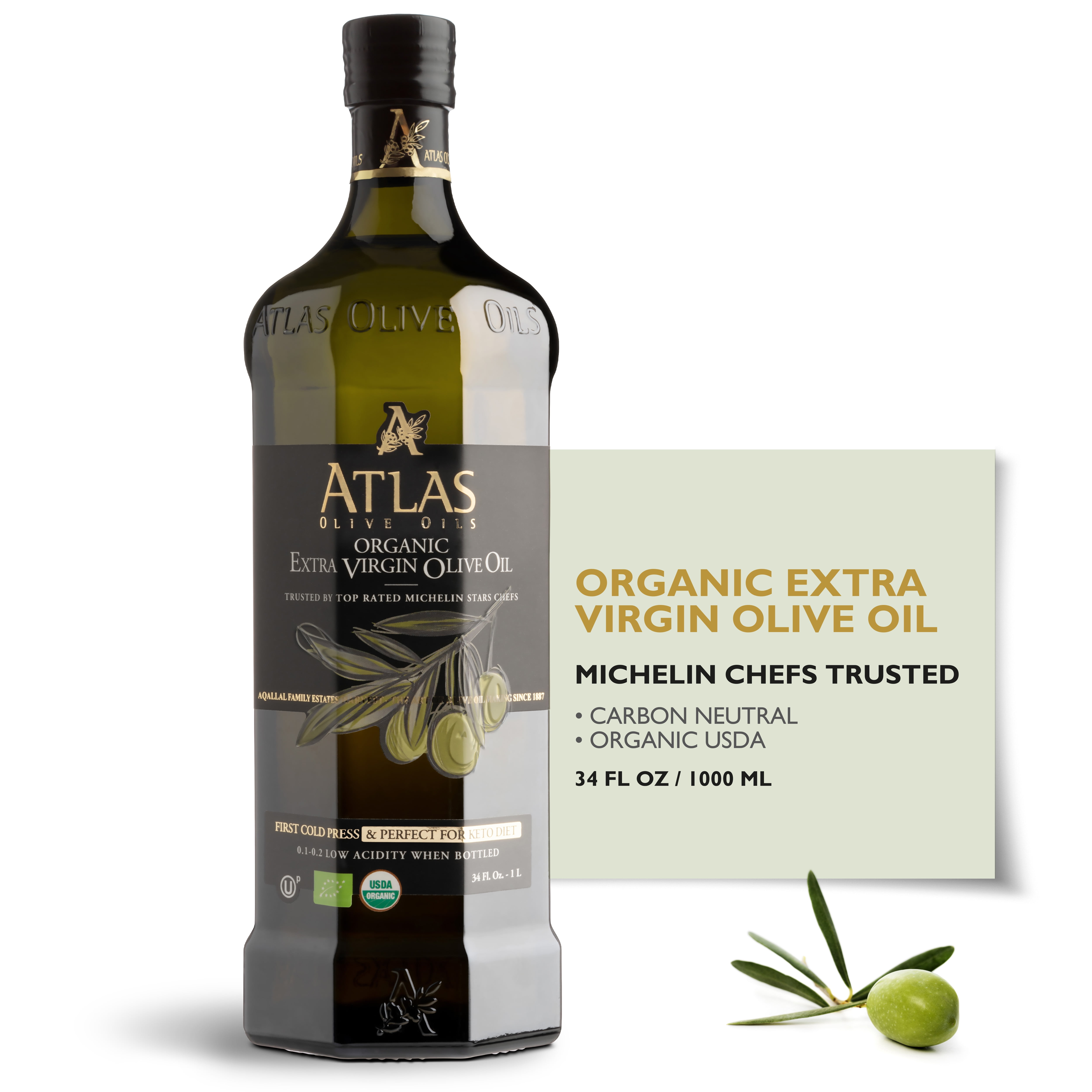
Ever wondered what makes that bottle of olive oil sing with flavor and boast about its health benefits? It's not just the olives themselves, but the magical compounds hidden inside called polyphenols. And when we talk about Atlas Olive Oil, the polyphenol story gets particularly interesting. Why? Because the levels can be quite impressive, and understanding why that matters is both fun and potentially very good for you!
So, what are polyphenols anyway? Think of them as nature's tiny bodyguards, protecting plants from environmental stressors like UV radiation and pests. When we consume plants rich in polyphenols, we essentially borrow those bodyguards! They act as antioxidants in our bodies, helping to neutralize harmful free radicals that contribute to aging, inflammation, and various diseases. Essentially, they are little protectors working within us.
Now, let's get to the heart of the matter: Atlas Olive Oil and its polyphenol count. The specific amount can vary depending on factors like the olive variety, the region where the olives are grown, the harvesting time, and the extraction process. However, high-quality Atlas Olive Oils are often produced in ways that maximize polyphenol retention. This means paying close attention to best practices during every stage, from farm to bottle.
Must Read
Why should you care about the polyphenol content of your olive oil? Beyond the abstract idea of "antioxidant benefits," these compounds contribute to a range of potential health advantages. Studies suggest that a diet rich in polyphenols may help support heart health, reduce the risk of certain cancers, and even improve cognitive function. While olive oil alone isn't a magical cure-all, choosing a high-polyphenol variety like Atlas Olive Oil can be a delicious and convenient way to boost your intake of these beneficial compounds.
Where does all this knowledge come in handy? In daily life, it helps you make informed choices at the grocery store. Instead of simply grabbing the cheapest bottle of olive oil, you might start looking for indications of polyphenol content or seek out brands like Atlas known for their quality and attention to detail. In education, understanding polyphenols can be a fascinating entry point into studying plant biochemistry, nutrition, and the connection between diet and health.
Want to explore the world of polyphenols further? Here are a few simple ideas: Start by tasting different olive oils. Do you notice any differences in bitterness or pungency? These sensations are often indicators of higher polyphenol levels. Look for certifications or lab reports that indicate the polyphenol content of your olive oil. Consider adding a drizzle of high-quality olive oil to your salads, vegetables, or even soups after cooking to preserve the delicate polyphenols. Research recipes that highlight the flavors of olive oil and complement its health benefits. Most importantly, embrace a curious approach to food and appreciate the complex chemistry that makes even a simple bottle of olive oil so remarkable.