How Many Nuclear Plants In Pennsylvania

Ever found yourself staring at your smartphone, charging its battery, or flicking on the lights in your living room, and briefly wondered: where does all this electricity actually come from? It's a question many of us ponder, especially when thinking about our local communities and states. When it comes to Pennsylvania, a state rich in history and energy production, the answer often involves a fascinating, powerful, and often misunderstood source: nuclear energy.
Thinking about nuclear plants might conjure up images from sci-fi movies or complex engineering diagrams. But in reality, they're vital, modern facilities working tirelessly to keep our homes lit and our industries running. They provide a significant chunk of clean, reliable electricity, making the question of "How many nuclear plants are in Pennsylvania?" not just a trivia fact, but an insight into the backbone of our energy grid. It's a topic that's both useful for understanding where your power comes from and surprisingly popular, as people increasingly care about energy independence and environmental impact.
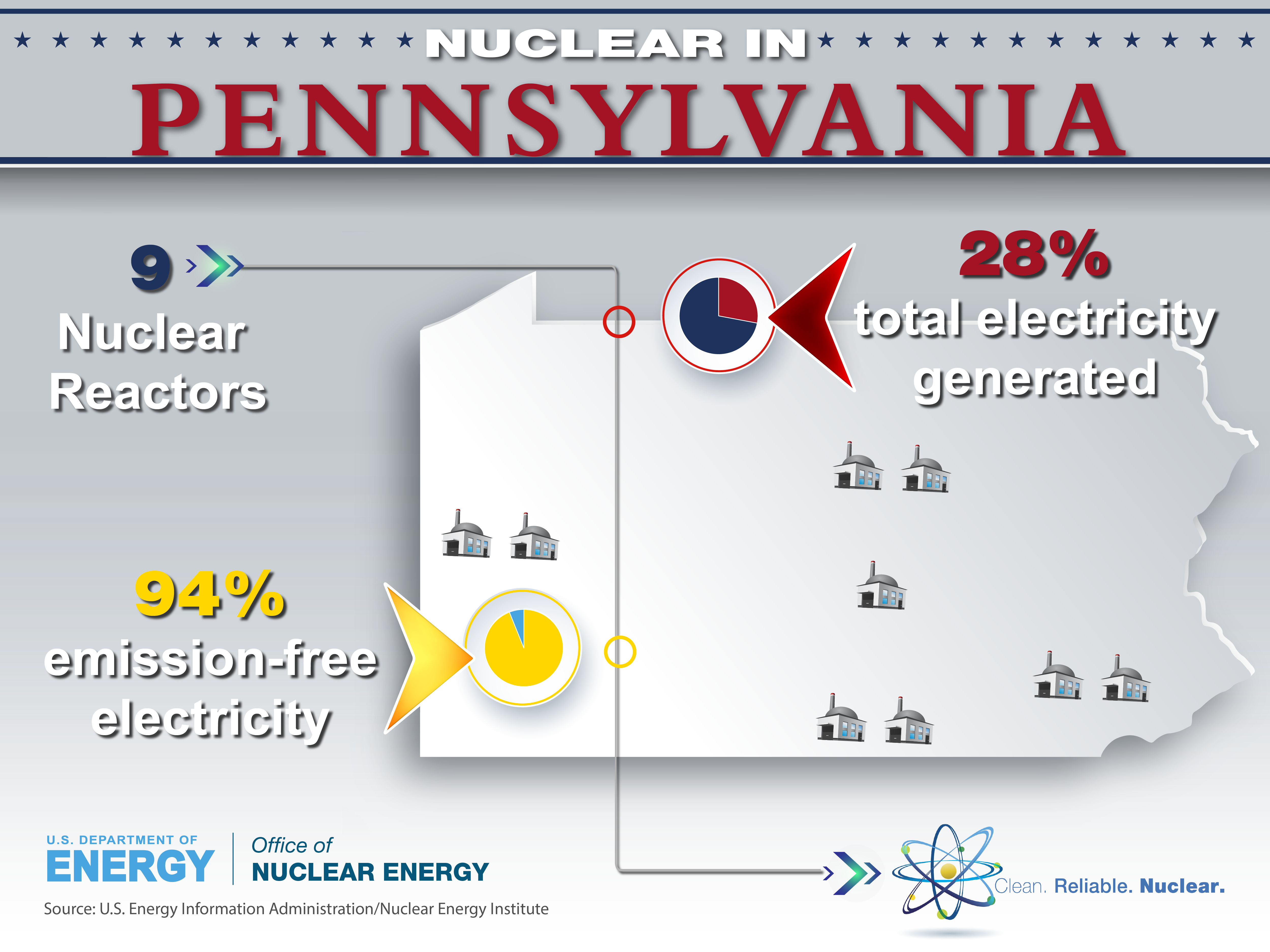
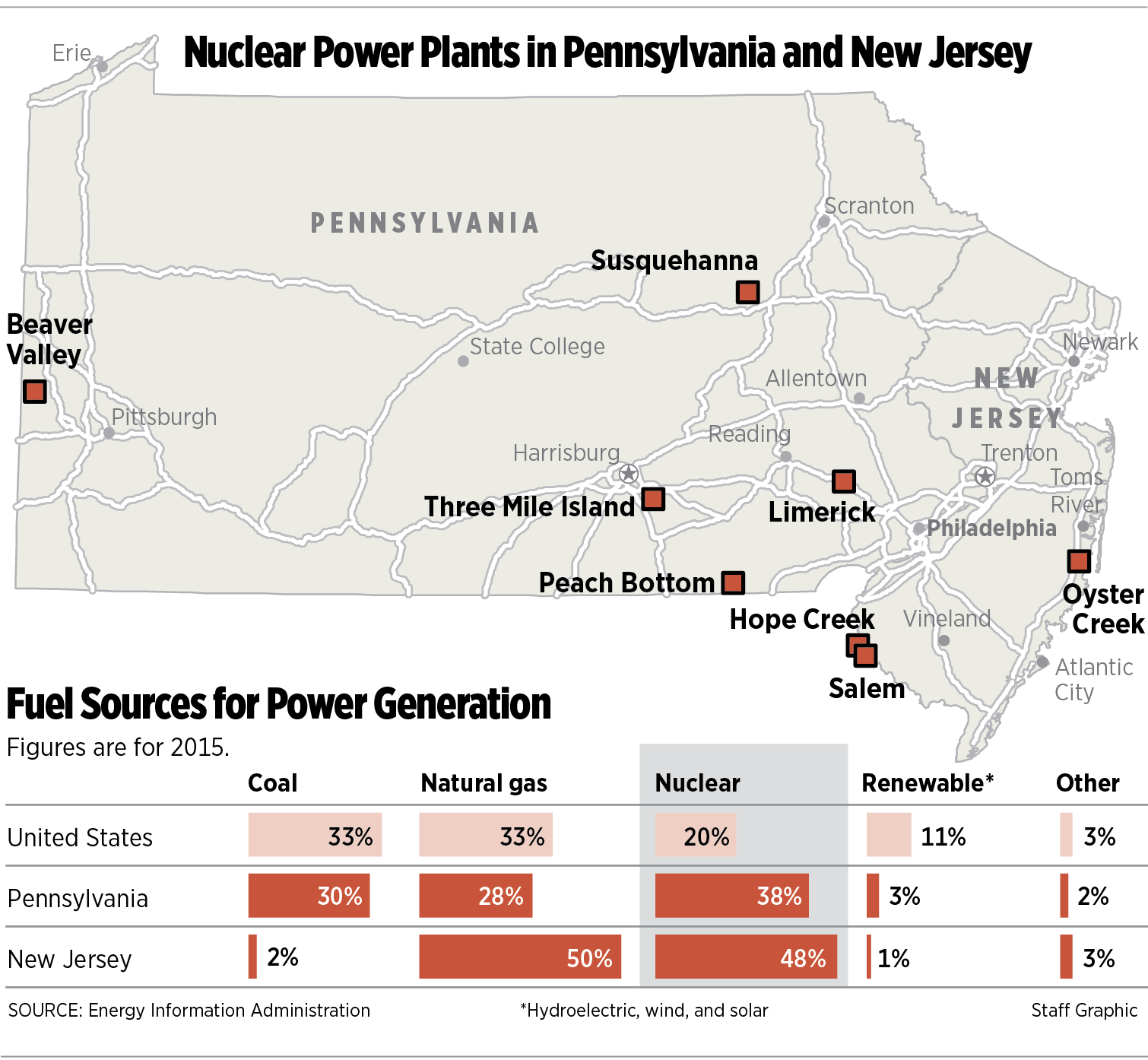
So, let's get to the exciting part! How many of these impressive energy hubs are currently generating power in the Keystone State? Pennsylvania is home to three active nuclear power plants. Each of these facilities plays a critical role in providing electricity to millions of homes and businesses, contributing significantly to the state's energy portfolio.
Must Read
These aren't just any power stations; they are engineering marvels that represent a commitment to substantial, uninterrupted energy supply. The three active plants are:
- Limerick Generating Station in Montgomery County: A massive two-unit plant, known for its iconic cooling towers.
- Peach Bottom Atomic Power Station in York County: Located on the Susquehanna River, it's another two-unit facility that has been a long-standing energy provider.
- Beaver Valley Power Station in Beaver County: Situated on the Ohio River, this two-unit plant is a cornerstone of western Pennsylvania's power supply.
These plants serve a crucial purpose: providing base-load power. This means they operate continuously, supplying a constant, reliable flow of electricity that doesn't fluctuate with the weather (like solar or wind power can). This constant supply is absolutely essential for keeping our grids stable and ensuring we have power when we need it most, whether it's a scorching summer day with air conditioners blasting or a frigid winter night.
Beyond reliability, nuclear power offers significant benefits, particularly in terms of environmental impact. Nuclear plants produce virtually no greenhouse gas emissions during operation, making them a powerful tool in the fight against climate change. They also contribute to energy independence, reducing reliance on fossil fuels. Furthermore, these plants are significant economic drivers, providing thousands of high-paying jobs and substantial tax revenue to their local communities.
So, the next time you plug in your phone or flip a light switch, remember those three powerful nuclear plants quietly humming away in Pennsylvania. They're not just numbers on a map; they are key players in our modern world, ensuring we have the reliable, clean energy needed to power our lives, our economy, and our future. Pretty cool, right?