
How Many Millimeters Are In A Cubic Centimeter

Unlocking Tiny Treasures: Millimeters and Cubic Centimeters – A Love Story!
Ever wondered about the secret handshake between millimeters and cubic centimeters? Prepare to be amazed! It's a surprisingly fun journey into the world of tiny measurements. Let's dive in!
The Millimeter: A Miniature Marvel
Think of a millimeter as a super tiny unit of length. It's almost too small to see! Imagine dividing a centimeter into ten equal parts. Each of those parts is a millimeter!
They're everywhere! From the width of your fingernail to the thickness of a credit card, millimeters help us measure the small stuff.
Must Read
Millimeters are essential for precision. They make sure everything fits just right. Isn't that neat?
The Cubic Centimeter: A Tiny Box of Fun
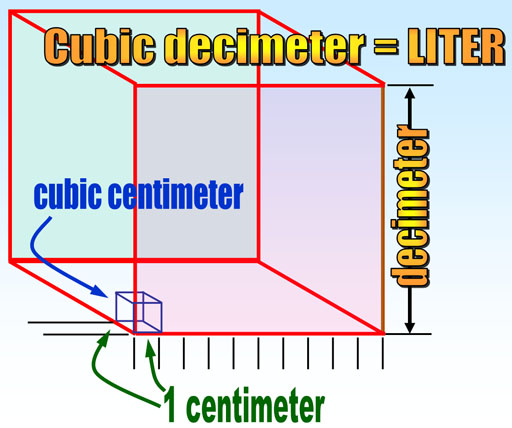
Now, let's picture a cubic centimeter. It's a tiny cube. Each side of the cube measures one centimeter.
It's a measure of volume. Think of how much space something occupies! Imagine a tiny box filled with water or sand.
Cubic centimeters are crucial in cooking and science. They help us measure liquids and solids accurately. It's like a tiny container for adventures!
The Big Reveal: How Many Millimeters Fit In A Cubic Centimeter?
Here's where the magic happens! Get ready for a measurement revelation!
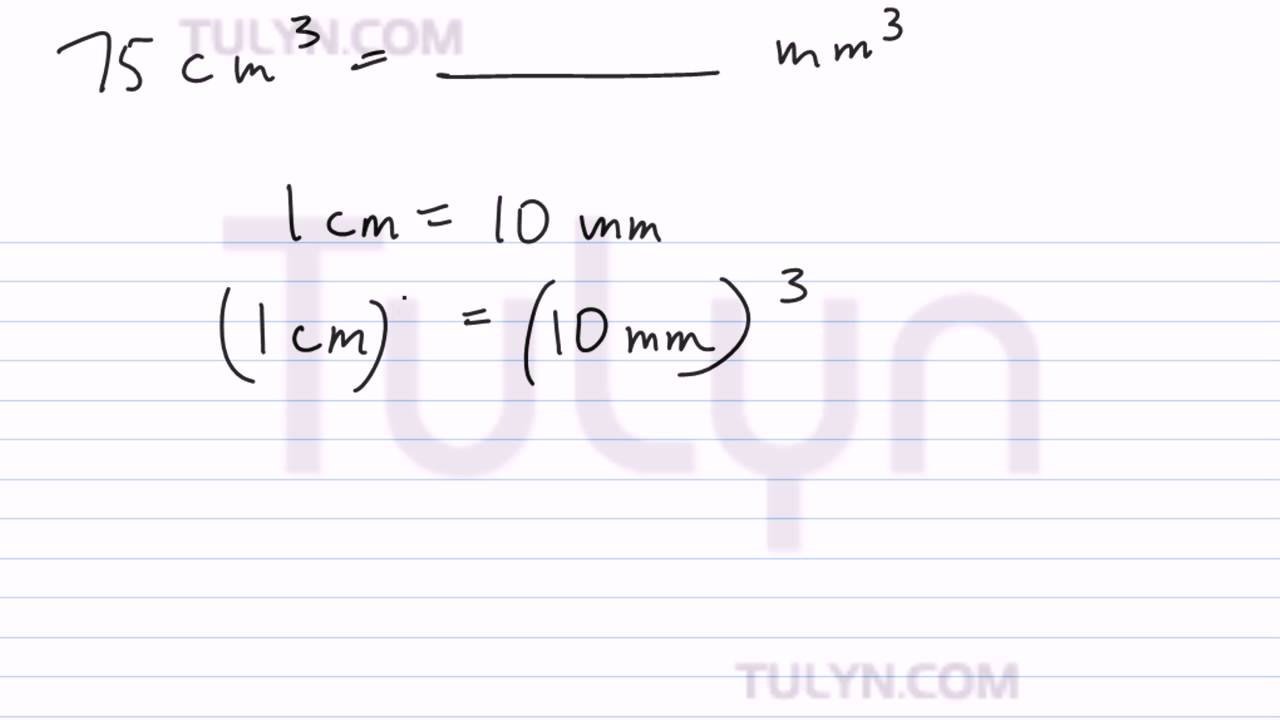
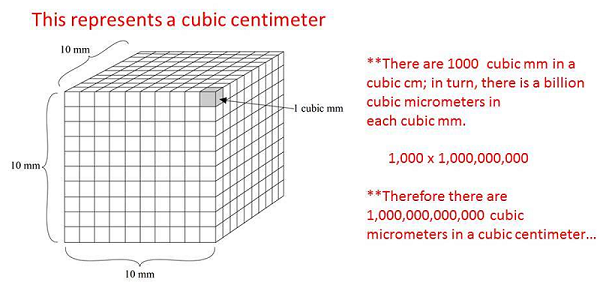
One cubic centimeter is actually equal to 1000 cubic millimeters. Whoa! That's like fitting a thousand tiny cubes into one small cube. Isn't that mind-blowing?
That might sound like a lot, but think about it. Each side of that cubic centimeter is 10 millimeters long. So, 10 x 10 x 10 = 1000!
Why This Matters (And Why It’s So Cool)
Knowing this relationship is super helpful. It bridges the gap between length and volume.
Engineers use it when designing tiny components. Chefs use it to measure ingredients with precision. Even artists use it to create miniature masterpieces. It affects so much of our world, even though we don't always realize it!
Plus, it's just plain interesting! It's like a secret code to understanding the world around us. It's pretty cool when you can impress people at parties, right?

Let's Get Visual: Imagining the Connection
Picture this: You have a tiny cube, one centimeter on each side. Now, imagine slicing it into ten layers.
Each layer is one millimeter thick. Now slice each layer into strips, one millimeter wide. Then finally slice those strips into tiny cubes, one millimeter on each side!
You'll have a thousand of these mini-cubes. All snuggled together inside the larger cubic centimeter. Mind officially blown!
Beyond the Numbers: The Power of Measurement
Measurements are more than just numbers. They are tools that empower us.
They allow us to build amazing things. They help us understand the world around us. They even let us create art and tell stories!
Understanding the connection between millimeters and cubic centimeters is a small step. But it's a step towards a deeper appreciation for the beauty and precision of math and science.
Time to Explore!
Now that you know the secret, why not put it to the test? Find some small objects and try to estimate their volume in cubic centimeters.
Then, try to imagine how many tiny millimeters would fit inside. You can even use a ruler and calculator to check your estimates.
It's a fun and educational way to explore the world of measurement. And you might just surprise yourself with what you discover!
So, there you have it! The fascinating relationship between millimeters and cubic centimeters revealed! Go forth and measure with confidence and curiosity!
Have fun exploring the tiny treasures of our world!
The Unsung Hero: Volume
The concept of volume is fundamental to understanding how much space something occupies. It's a key concept across science and engineering.
The volume of a cubic centimeter or how it relates to millimeters can also show other relationships to meters or even inches.
Without volume, a recipe is just a suggestion! That’s why measurements of cubic centimeters are so important!
Final Thoughts
Exploring measurement is like unlocking a secret language. It provides insights into the physical world, and enhances problem-solving skills.
Hopefully you've found this explanation enlightening and fun! It will provide new inspiration into how the world is measured.
Keep exploring, keep questioning, and keep measuring!