
How Many Kw Does A Tv Use

Ever found yourself binge-watching your favorite series, totally lost in a new world, and then a tiny thought zips through your mind: How much energy is this thing actually sucking up? You're not alone! In a world where screens are practically extensions of ourselves, understanding our TV’s power habits isn't just for eco-warriors or budget gurus – it’s for anyone who loves a good couch session.
Understanding the Buzz: Your TV and Power
The truth is, there's no single magic number when it comes to how many kilowatts your TV uses. It's a bit like asking 'how fast is a car?' – well, which car? and where is it driving? Several factors play a starring role in your TV’s energy drama: its size (bigger screens naturally need more juice), the display technology it uses (LED, OLED, QLED – they all have different appetites), its age (newer models are generally far more efficient), and even what you're watching (dark scenes vs. bright, fast-action vs. static images). It’s a bit like comparing a classic muscle car to a modern electric vehicle – same purpose, wildly different consumption.
The Modern Marvels: LED, LCD, and Beyond
Back in the day, those big, bulky CRT TVs were power hogs, sometimes guzzling 200-300 watts an hour. Thankfully, we've come a long, long way! Modern flat-screen TVs are far more efficient. For a typical LED or LCD TV, which most of us have, here's a rough guide:
Must Read
A smaller 32-inch LED TV might use anywhere from 30 to 50 watts.
Move up to a popular 55-inch model, and you're looking at around 60 to 100 watts.
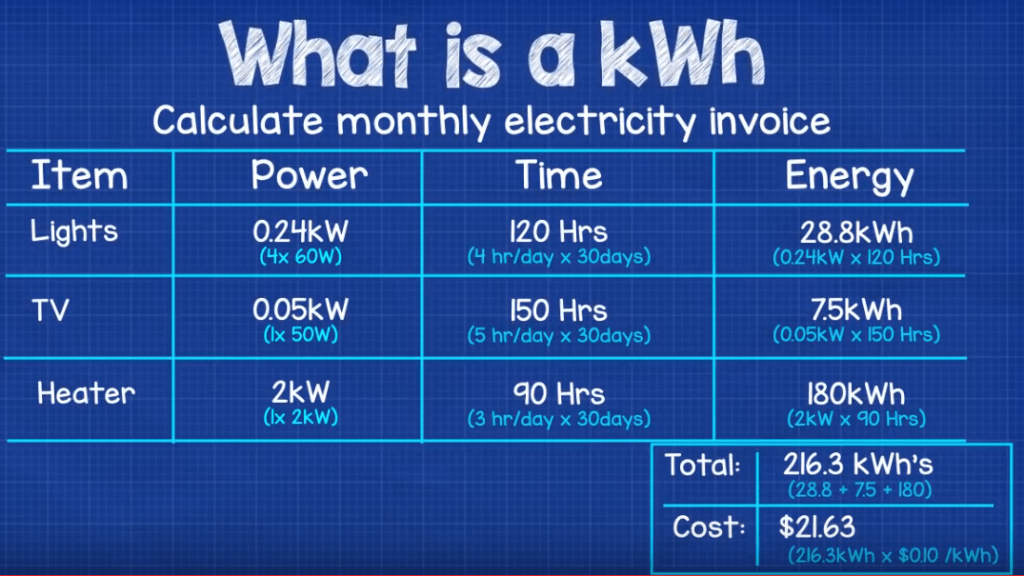
Even larger screens, say a 75-inch behemoth, could consume between 100 and 200 watts. Generally, the bigger the screen, the more power it needs to light up all those pixels.
What about the super-fancy OLEDs and QLEDs? OLEDs, especially, use organic light-emitting diodes, meaning each pixel can switch on and off individually. This means darker scenes often consume less power than brighter ones. A 55-inch OLED might average similar to an LED, perhaps 70-150 watts, but it varies quite a bit with the content on screen. QLEDs, on the other hand, are variations of LED TVs and usually fall into similar consumption ranges as standard LEDs for their given size.
The Sneaky Suspect: Standby Mode
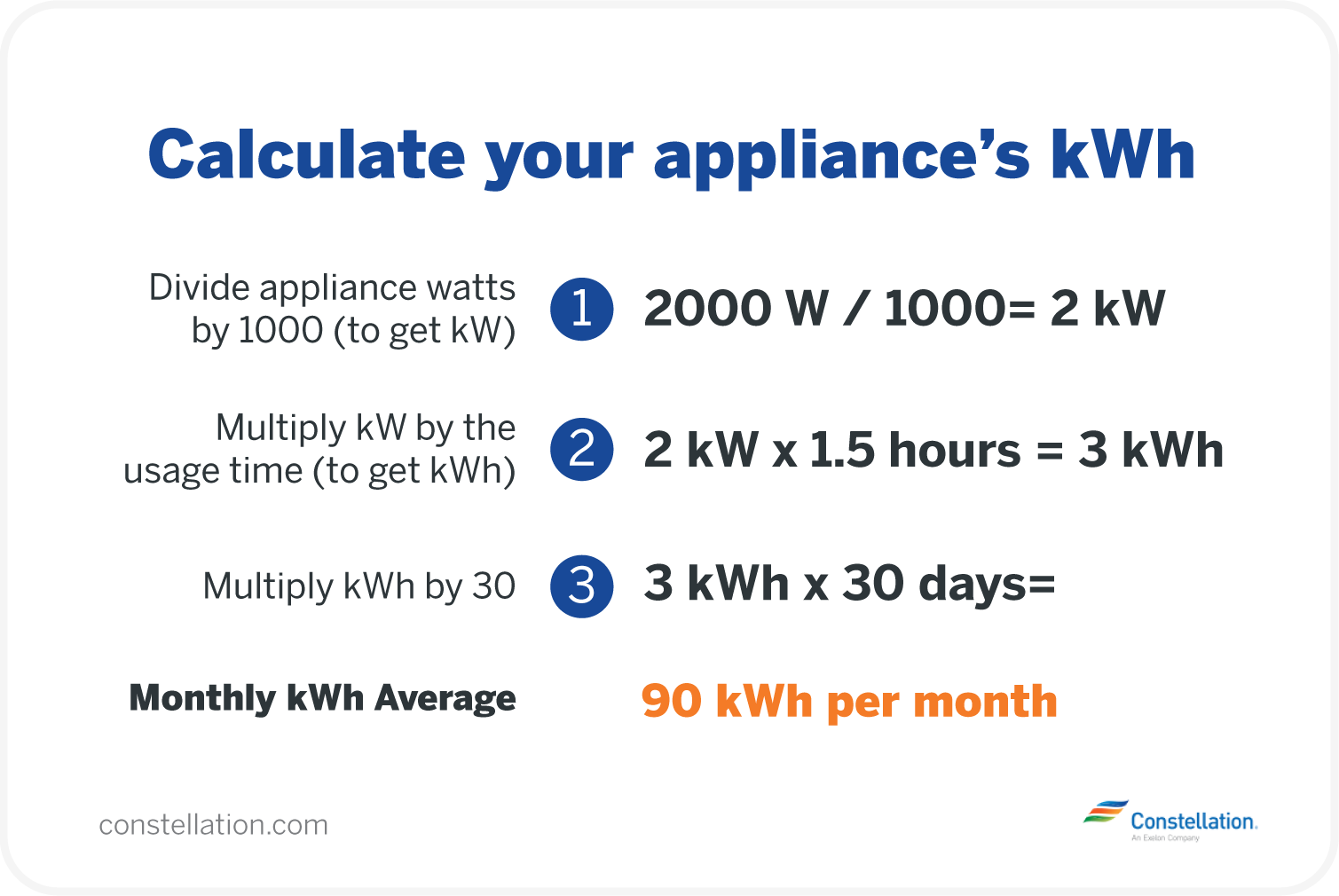
Here’s a sneaky little fact: your TV isn't truly 'off' when you hit the power button. It's usually in standby mode, patiently waiting for your next command. While standby power consumption is generally low – often just 0.5 to 3 watts – it's a constant, silent drain. Over a year, those little watts add up, like a tiny drip filling a bucket. It's often referred to as "vampire drain" for a reason!
Savvy Savings: Practical Tips for a Greener Watch
Ready to make a difference without sacrificing your Saturday night movie? Here are some simple, effective tips:
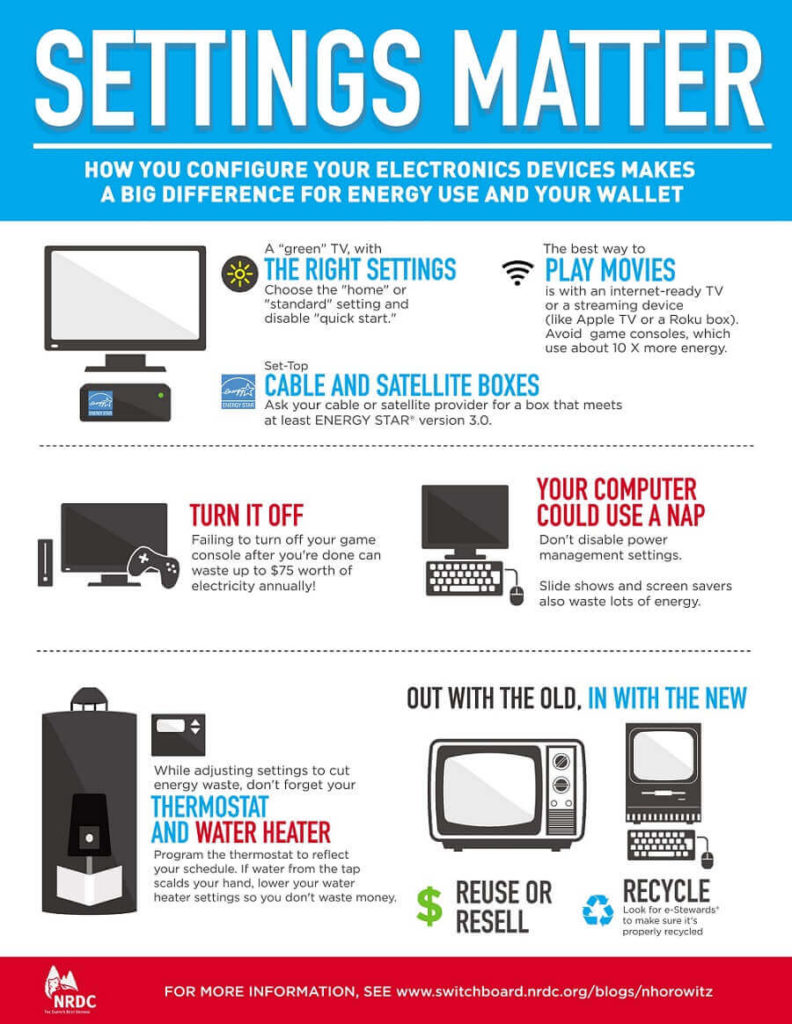
Brightness is Key: Think about it: a brighter screen needs more power. Adjusting your TV’s brightness to suit your room's ambient light (or just your personal preference) can significantly cut down on energy use. Many modern TVs even have ambient light sensors that do this automatically – make sure they're turned on!
Embrace Eco Modes: Most TVs now come with 'Eco' or 'Energy Saving' modes. Don't dismiss them! They often optimize settings like brightness and contrast to reduce power without drastically impacting your viewing experience. Give them a try! You might be surprised at how little you notice the difference.
The Unplugging Habit: For the truly dedicated, unplugging your TV when you're not using it – especially overnight or when you're away for a long period – completely eliminates standby power. A bit old-school, perhaps, but super effective. Just be mindful of longer boot times when you plug it back in.
Smart Plugs are Your Friends: Too lazy to unplug? We get it! Enter the smart plug. These clever gadgets allow you to remotely cut power to your TV (and other electronics) with a tap on your phone or a voice command. Set them on a schedule to power down automatically when you're usually asleep or out of the house. Effortless efficiency!
Upgrade Wisely: If you’re still rocking a TV from the early 2010s, you might be surprised by the energy efficiency leaps newer models have made. While not an 'instant' saving, considering an upgrade for efficiency (among other things!) isn't a bad idea, especially if your old TV is a true power hog.
Beyond the Bill: Fun Facts & Food for Thought
To put things in perspective, a typical fridge uses around 100-200 watts continuously, and a washing machine can peak at over 2000 watts during its hot cycles. So, your TV, even during a Lord of the Rings marathon, isn't usually the biggest energy hog in your home. However, given how often it's on (or in standby!), it's definitely worth a little attention.
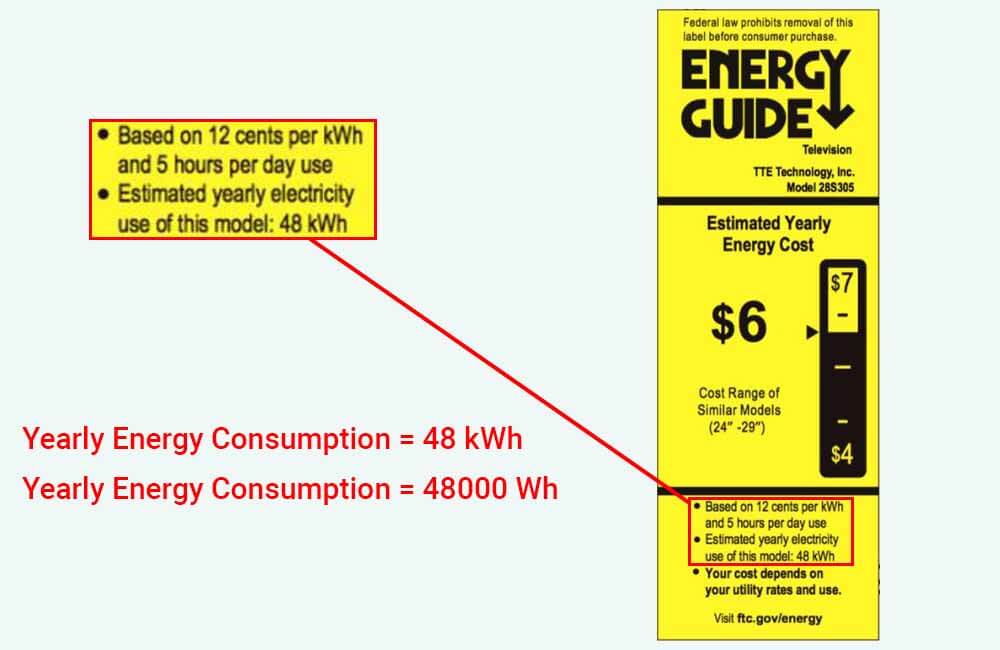
Remember the days when channel surfing was a physical activity, maybe even involving antenna adjustments? Now, with streaming dominating our viewing habits, TVs are often on for longer stretches. It's not just the TV's power we're using, but also the internet router, and the energy consumed by data centers delivering all that awesome content! Back in the 90s and early 2000s, power consumption wasn't really a 'feature' for most consumers. Now, thanks to stricter energy regulations and increased awareness, you'll often see energy efficiency ratings prominently displayed on new TVs, much like you would for a fridge or washing machine. It’s a sign of how far we’ve come and how much we value efficiency today.
Ultimately, understanding your TV's power usage isn't about guilt-tripping yourself during a Netflix binge. It's about being mindful. It’s about realizing that small adjustments – a lower brightness setting, a smart plug, or simply being aware – can contribute to a slightly lower energy bill and a slightly lighter footprint on our planet. So, go ahead, enjoy your show. Just maybe, next time, spare a thought for that little electron journey, and know you've got some power (pun intended!) to make it a greener one.