How Many Kilowatts Does A Average House Use
Ever found yourself staring at your electricity bill, wondering what all those numbers mean and how much "juice" your house actually guzzles? You're not alone! It's a question many of us ponder, and trust me, understanding how many kilowatts an average house uses isn't just for super techy folks. It’s actually pretty fun and incredibly useful, like getting a secret peek into the energy heartbeat of your home. It’s a popular topic because it touches our wallets, our comfort, and even our planet.
So, why dive into this electrifying topic? For beginners, it's a fantastic way to demystify your utility bill. You'll finally grasp what a "kilowatt-hour" (kWh) truly represents and stop feeling confused by the jargon. For families and homeowners, knowing your average usage empowers you to identify energy hogs, find simple ways to save money, and make informed decisions about appliance upgrades. Imagine showing your kids how turning off lights actually makes a difference! And if you're a bit of a hobbyist or just naturally curious, understanding your energy footprint can open doors to smart home monitoring, optimizing efficiency, or even planning for future solar power installations. It's about gaining control and insight into something we all rely on daily.
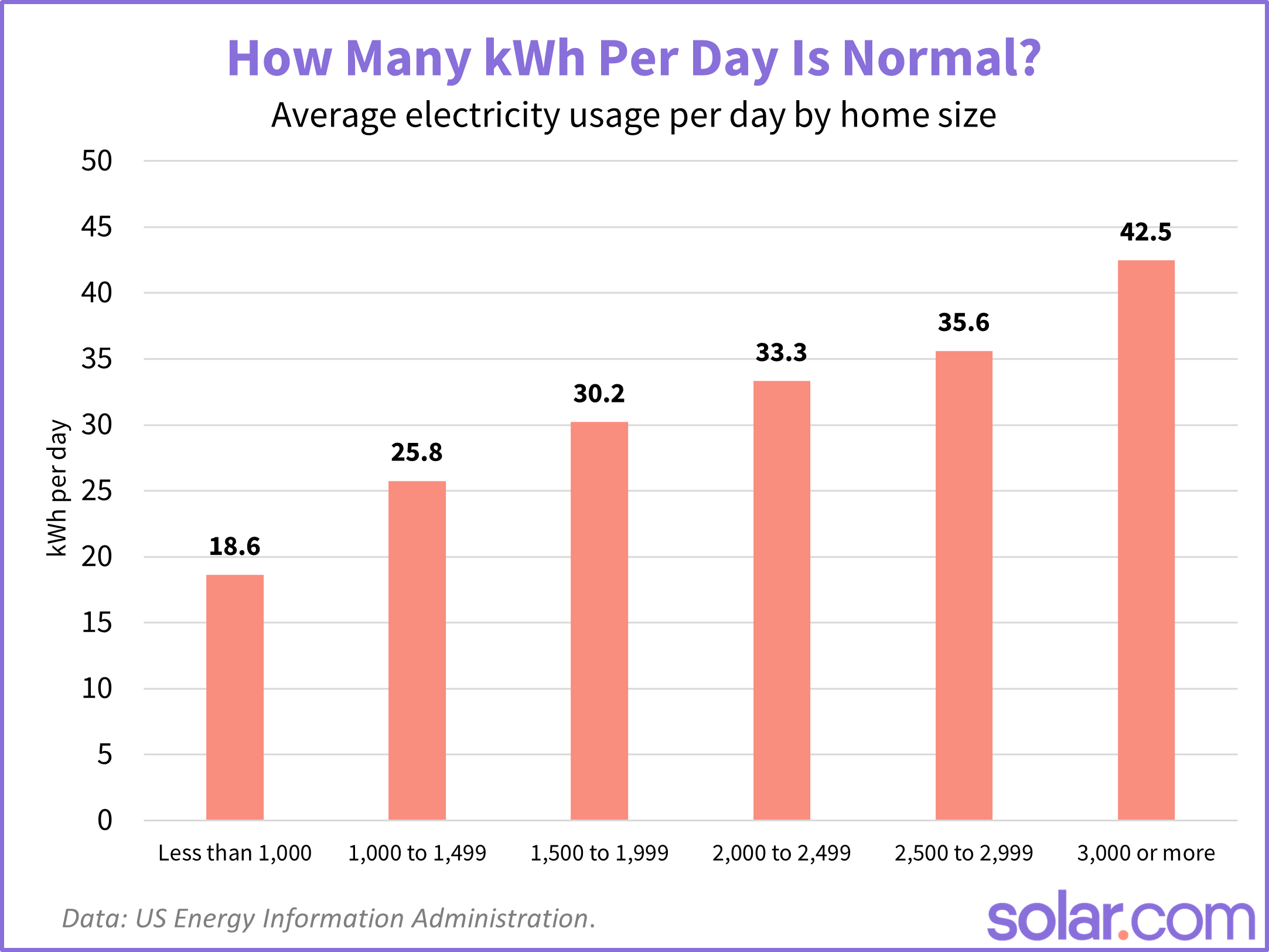
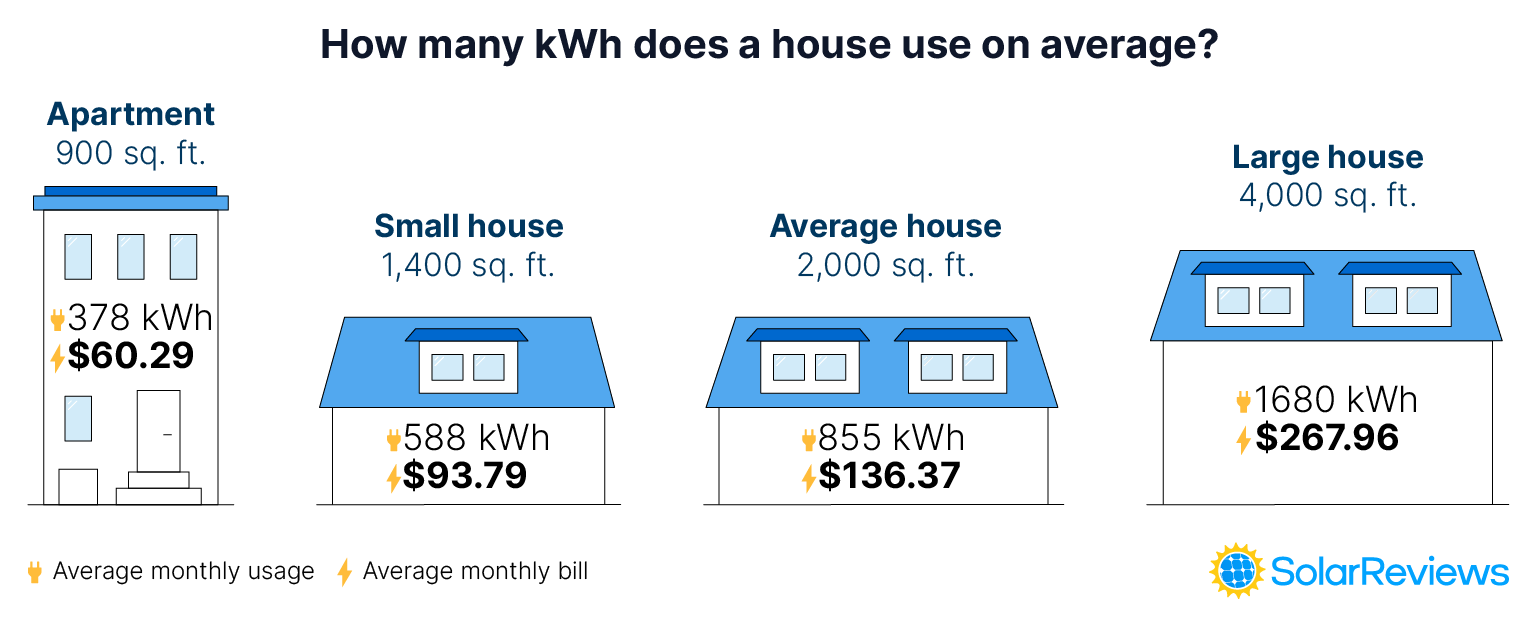
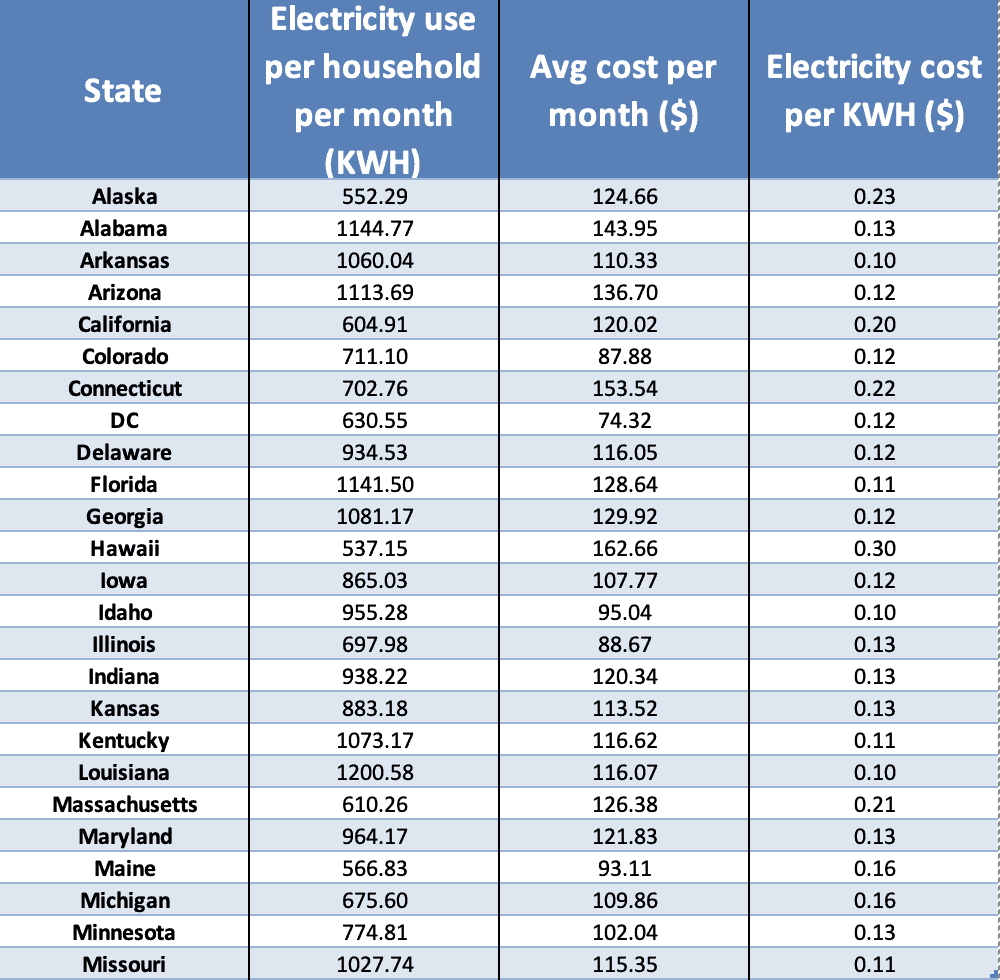
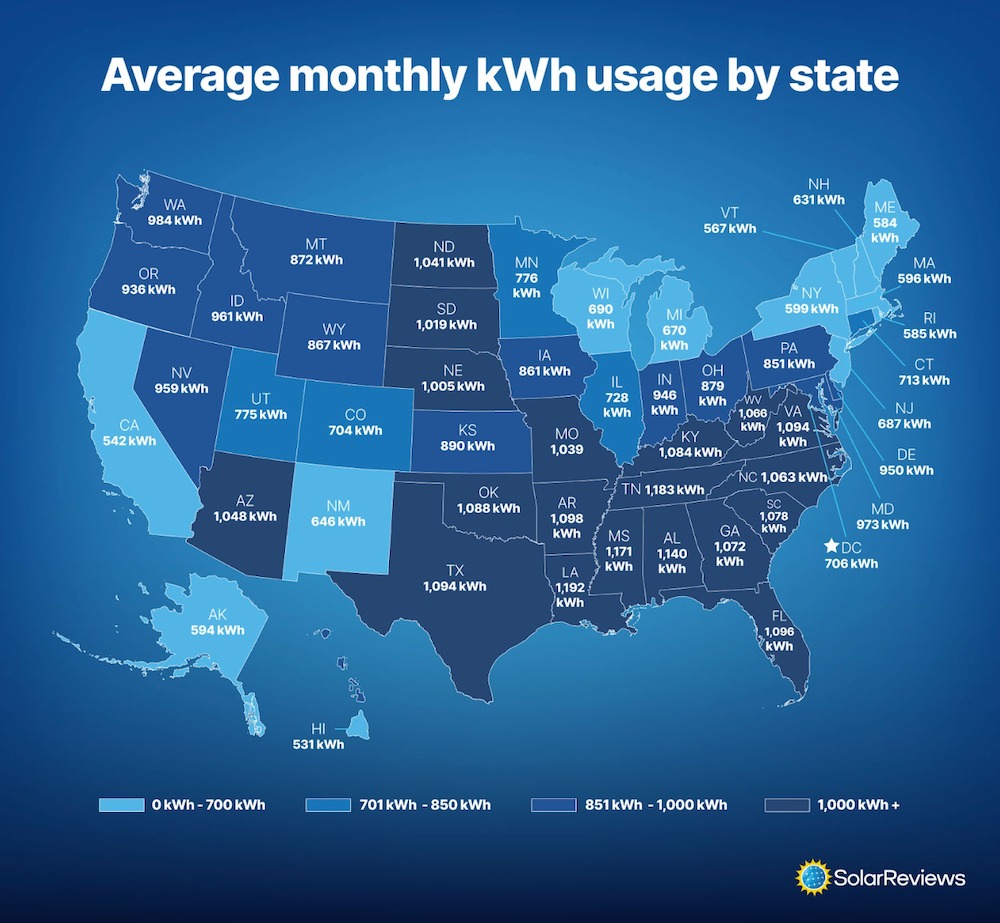
Now, for the big reveal: how many kilowatts does an average house use? Well, it's a bit like asking "how long is a piece of string?" The answer varies significantly! In the U.S., a typical residential customer might use anywhere from 700 to 1,000 kWh per month, but this is a broad average. Factors like house size, local climate (hello, air conditioning in summer or heating in winter!), the number of occupants, and your lifestyle (do you bake daily? game for hours?) all play a huge role. For example, a small apartment with one person might use 300-500 kWh, while a large family home with central air and a heated pool could easily hit 2,000 kWh or more. Major appliances like your HVAC system, water heater, refrigerator, and oven are usually the biggest energy consumers, while things like LED lights and phone chargers use comparatively little.
Must Read
Ready to start your own energy investigation? It's easier than you think! The first and most important tip is to check your electricity bill. It directly tells you how many kWh your home consumed in the billing period. Next, consider a simple DIY energy audit: walk around your house looking for drafts, old incandescent bulbs, or appliances that are always plugged in. Investing in a few smart plugs can be a game-changer, allowing you to monitor the energy usage of individual devices. And don't forget the classics: unplug "vampire" devices (those drawing power even when off), adjust your thermostat a degree or two, and switch to energy-efficient lighting. Small habits create big savings!
Understanding your home’s kilowatt usage is more than just number-crunching; it’s about becoming more mindful and making smarter choices. It’s a journey towards saving money, reducing your environmental impact, and feeling more connected to the very energy that powers your life. So go ahead, peek at that bill, implement a few tips, and enjoy the satisfaction of becoming an energy-savvy homeowner!