How Many Gigawatts Of Electricity Does The United States Use
Ever stopped to wonder what it truly takes to power a nation as vast and dynamic as the United States? From the flickering screen of your smartphone to the humming refrigerators in grocery stores, and the massive data centers keeping the internet alive, electricity is the invisible force making modern life possible. It's not just a utility; it's the lifeblood of our society. This isn't just a dry, technical question; it's an exciting deep dive into the sheer scale of human innovation and consumption, and understanding it can give you a whole new appreciation for the world around you!
The purpose of peeking behind the curtain at America's power appetite isn't just for energy nerds. Knowing how much electricity we use helps us grasp the enormous infrastructure that supports our daily lives. It illuminates discussions about renewable energy, climate change, and the future of our planet. It makes you a more informed citizen, capable of contributing to conversations about sustainability and progress. Plus, it's just plain fascinating to wrap your head around such a colossal number, giving you a sense of scale for the energy miracles we often take for granted. It helps us appreciate the complex ballet of generation and demand that happens every second of every day.
So, let's get to the electrifying answer! The United States is a huge country with diverse energy needs, so the exact number fluctuates constantly. However, on average, the U.S. uses around 400 to 500 gigawatts (GW) of electricity at any given time. To put that into perspective, one gigawatt is enough to power roughly 750,000 average American homes! So, imagine 400 to 500 massive power plants working in unison, continuously, 24/7, just to keep everything humming. This isn't even counting the peak demand times. During scorching summer afternoons when air conditioners are blasting nationwide, or during deep winter freezes when heaters are working overtime, that number can surge much higher, often exceeding 700 GW.
Must Read
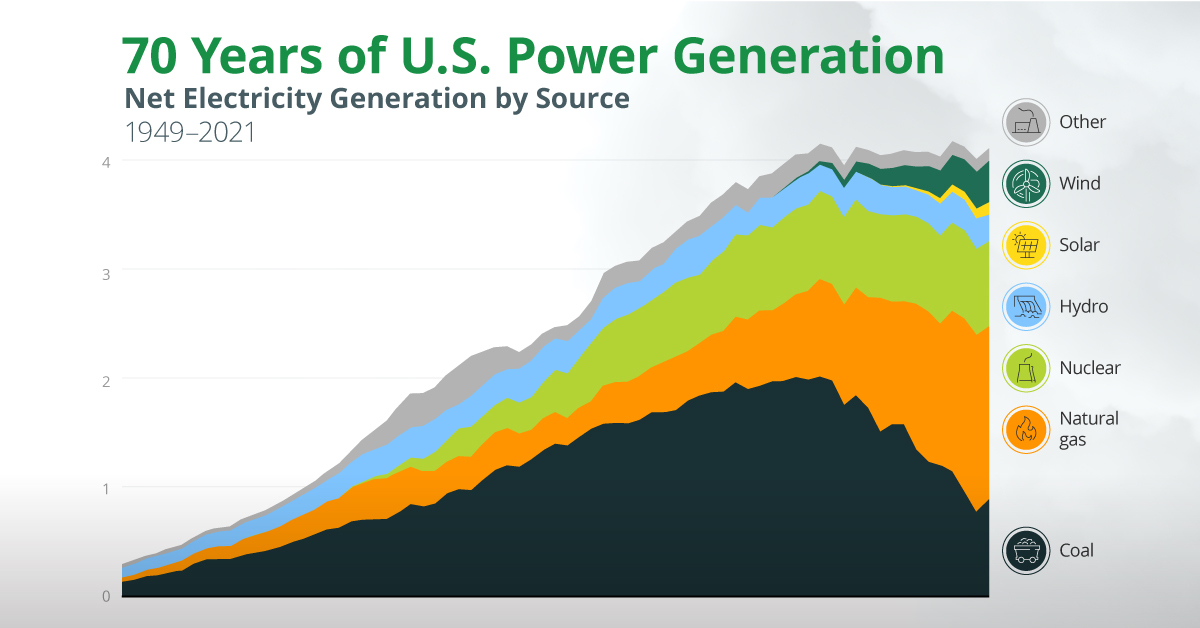
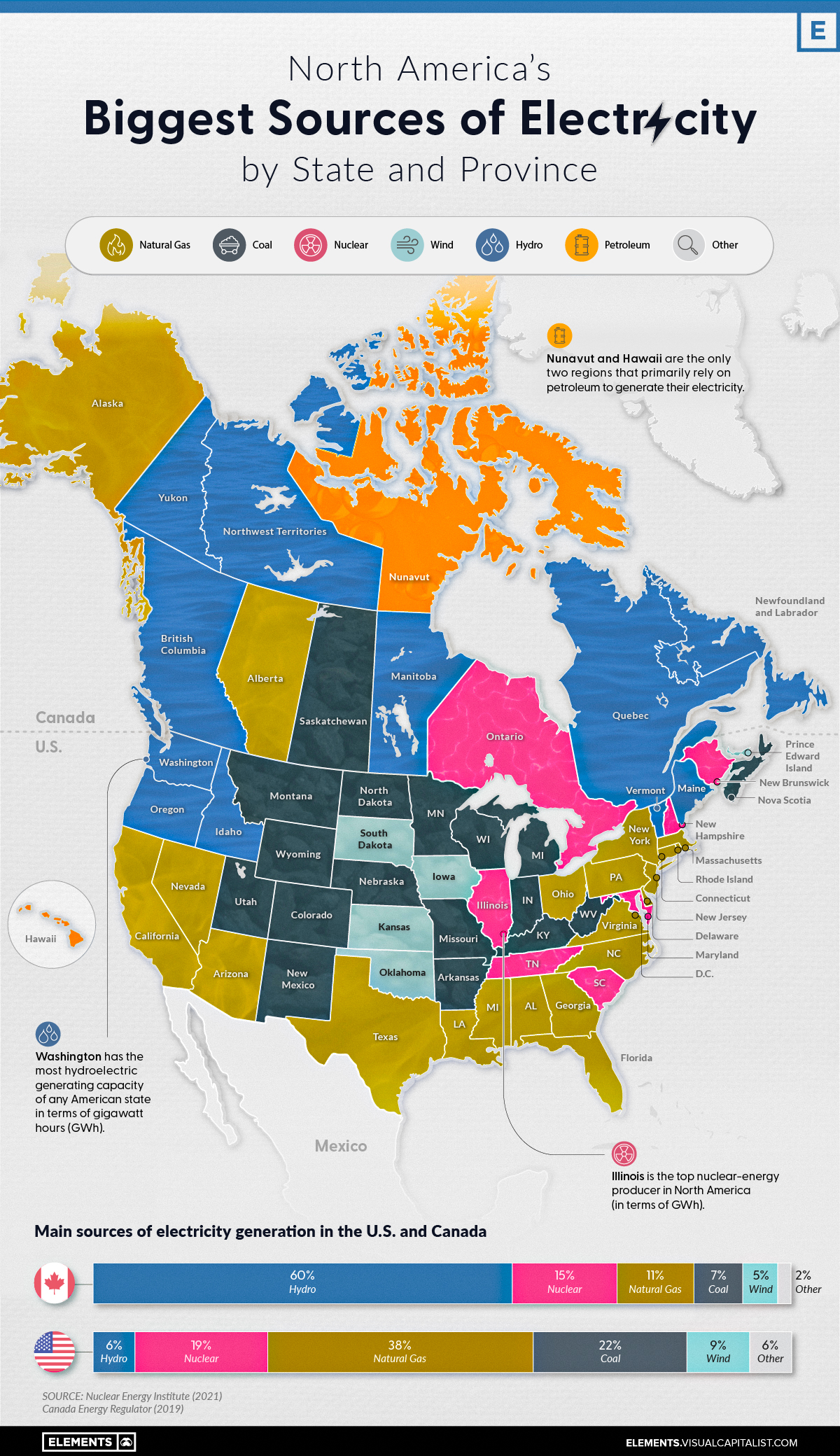
This immense power comes from a mix of sources: natural gas, nuclear power, coal, and a rapidly growing share of renewables like solar and wind. The transmission lines crisscrossing the country and the distribution networks weaving through our cities and towns are a testament to incredible engineering. So, the next time you flip a light switch, charge your laptop, or microwave a meal, take a moment to appreciate the truly monumental amount of energy – hundreds of gigawatts – that is constantly being generated, moved, and managed to power your life. It’s a silent, constant miracle, and knowing its scale makes it all the more impressive. Pretty electrifying, isn't it?