
How Many Gallons Of Oil In One Barrel
Ever found yourself scrolling through news about global markets, hearing terms like "oil barrels" tossed around, and wondering... exactly how much is that? Like, if you had a barrel of oil in your backyard (which, please don't), how many trips to the gas station would it save you? It's one of those seemingly simple questions with a surprisingly rich backstory, and understanding it gives you a tiny superpower in navigating the world of energy.
So, let's cut to the chase and demystify this liquid gold standard. How many gallons of oil are in one barrel? The answer is a neat, precise, and historically significant number: 42 U.S. gallons.
Yep, just 42. Not 50, not 100, and certainly not the size of that giant whiskey barrel you might picture from old movies. This number isn't arbitrary; it's a fascinating relic from the early days of the oil industry in Pennsylvania during the 1860s. Back then, oil producers often used standard 40-gallon whiskey barrels for transport. But because leakage and evaporation were common, they soon realized that to ensure buyers actually received 40 gallons, they needed to fill the barrels to 42 gallons. A little extra for good measure, guaranteeing fair trade. And just like that, the 42-gallon barrel became the industry standard, a tradition that stuck!
Must Read
What Happens After the Barrel?
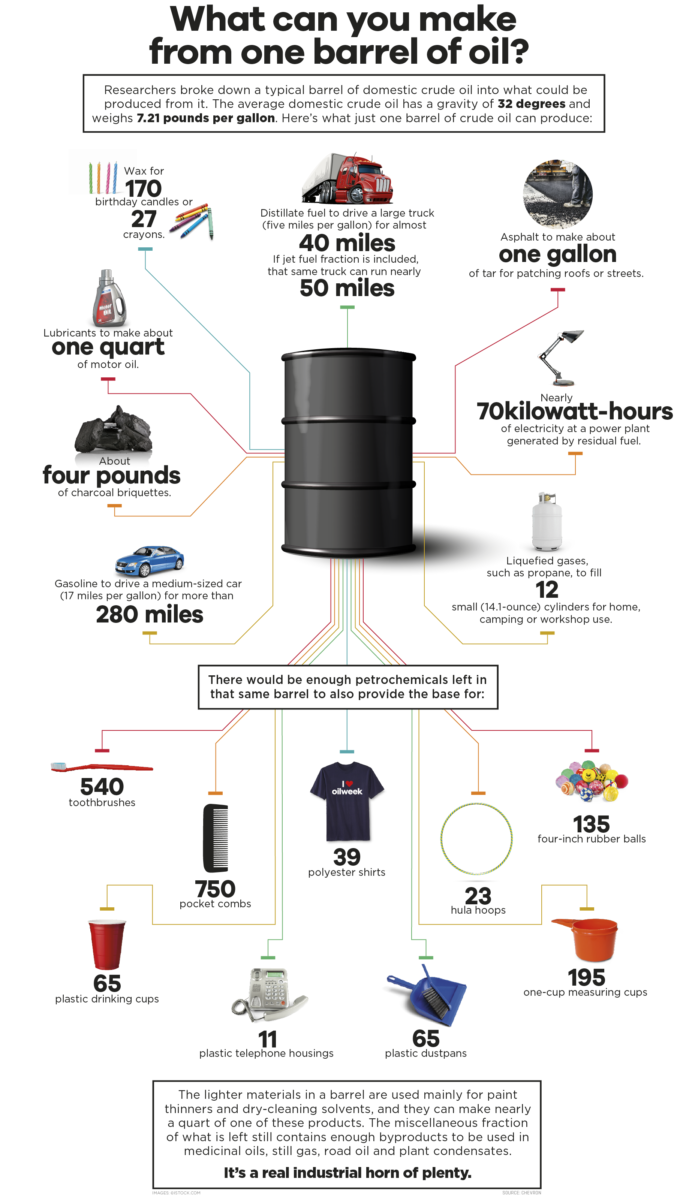
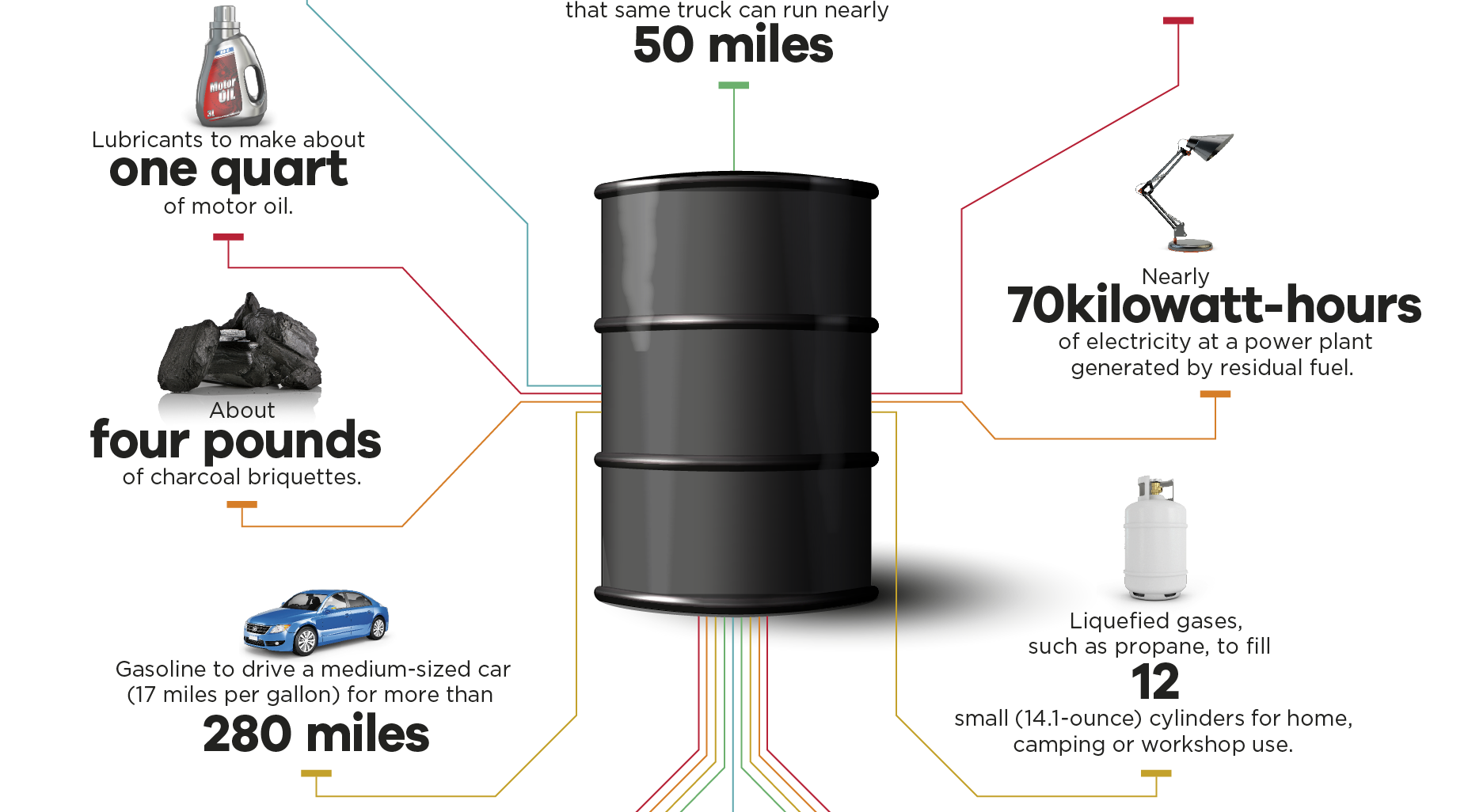
Now, here's where it gets really interesting and connects directly to your daily life. That 42-gallon barrel of crude oil isn't just one thing; it's a treasure chest of possibilities. Once it hits the refinery, it's processed into a surprising array of products that power our world and fill our homes. Think of it as a magical barrel that, once opened, transforms into many different useful items.
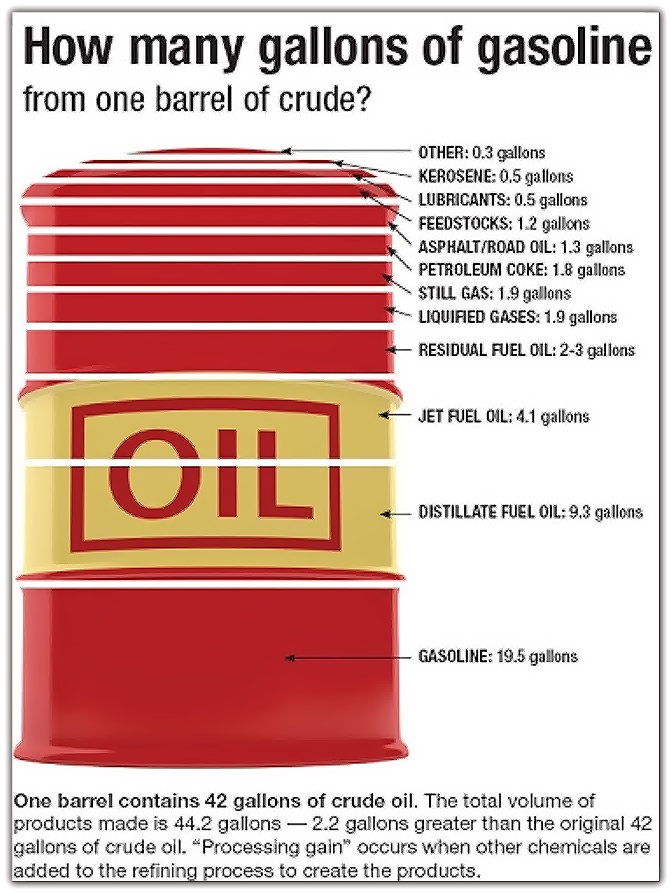
From that single 42-gallon barrel, you generally get:
- Roughly 19-20 gallons of gasoline. This is the big one, fueling our cars, trucks, and motorcycles.
- About 10-12 gallons of diesel fuel and heating oil. Essential for trucks, buses, trains, and keeping homes warm.
- Around 4 gallons of jet fuel. That's what gets airplanes off the ground for your next vacation!
- The remaining gallons become a mix of other petroleum products: think asphalt for roads, lubricants for engines, propane for grilling, plastics for countless everyday items (from your phone case to water bottles), and even ingredients for pharmaceuticals and cosmetics.
It’s truly a testament to modern chemistry that so many diverse products can be extracted from one raw material. So, the next time you're filling up your car, remember you're not just buying gasoline; you're tapping into a system that yields a whole lot more!
Barrel to Boulevard: Connecting to Your World
Understanding the 42-gallon standard helps us grasp the scale of energy consumption. When you hear about millions of barrels of oil being produced or consumed daily, you can quickly multiply that by 42 to get a sense of the sheer volume. It puts things into perspective, doesn't it?
For example, a typical car's fuel tank holds about 12-15 gallons. So, one barrel of oil could almost fill your tank three times with gasoline alone, with plenty left over for other uses. Or, think about your last road trip. If you drove 500 miles and your car gets 25 miles per gallon, you used 20 gallons of gasoline – almost an entire barrel's worth just for that one adventure!
This knowledge also subtly connects to price. When you see oil prices fluctuate, it's those 42-gallon barrels being traded on the global market. The ripple effect touches everything from the cost of your commute to the price of that plastic toy or new gadget you've been eyeing.
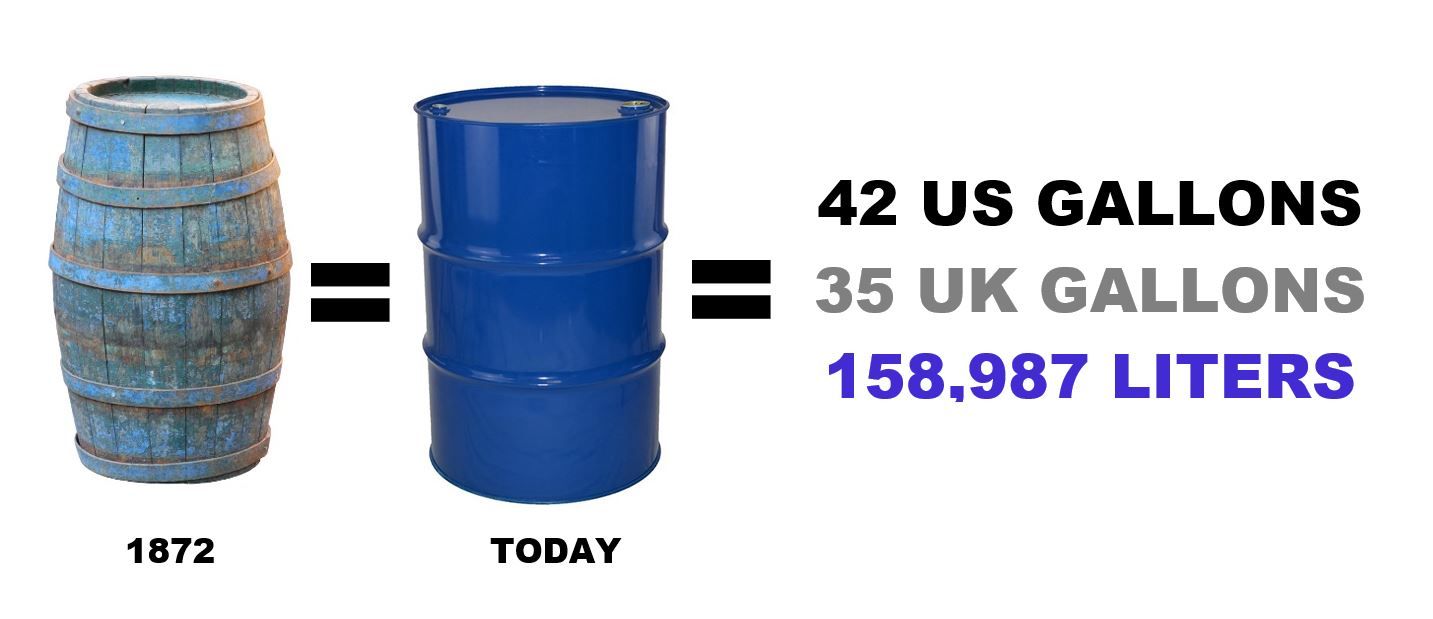
Fun fact: The term "barrel" is purely a unit of measurement for oil trading. You won't actually see crude oil being shipped in wooden barrels anymore; it moves through pipelines, supertankers, and rail cars, but the 42-gallon unit persists as a historical and convenient standard.
A Little Reflection for Your Day
So, there you have it. The humble 42-gallon barrel of oil is far more than just a number; it's a silent architect of our modern lifestyle. From fueling our adventures to creating the materials that shape our daily routines, it's profoundly interwoven with the fabric of our lives.
Taking a moment to understand these foundational facts doesn't just make you smarter at dinner parties; it empowers you to be a more informed consumer and a more aware global citizen. It helps us appreciate the intricate dance of resources, innovation, and history that keeps our world spinning. And that, in itself, is a pretty cool thing to know, right?
