How Many Gallons Of Oil In A Barrel Of Oil
Ever stopped to think about the invisible threads that weave together our modern lives? From the device you're reading this on to the car that gets you to work, countless products and services owe their existence to one fundamental resource: oil. We often hear about oil prices, global reserves, and barrels of the stuff, but how often do we pause to consider what a "barrel" of oil actually entails? It's a bit like knowing the secret ingredient in your favorite dish – understanding it just makes everything a little more fascinating.
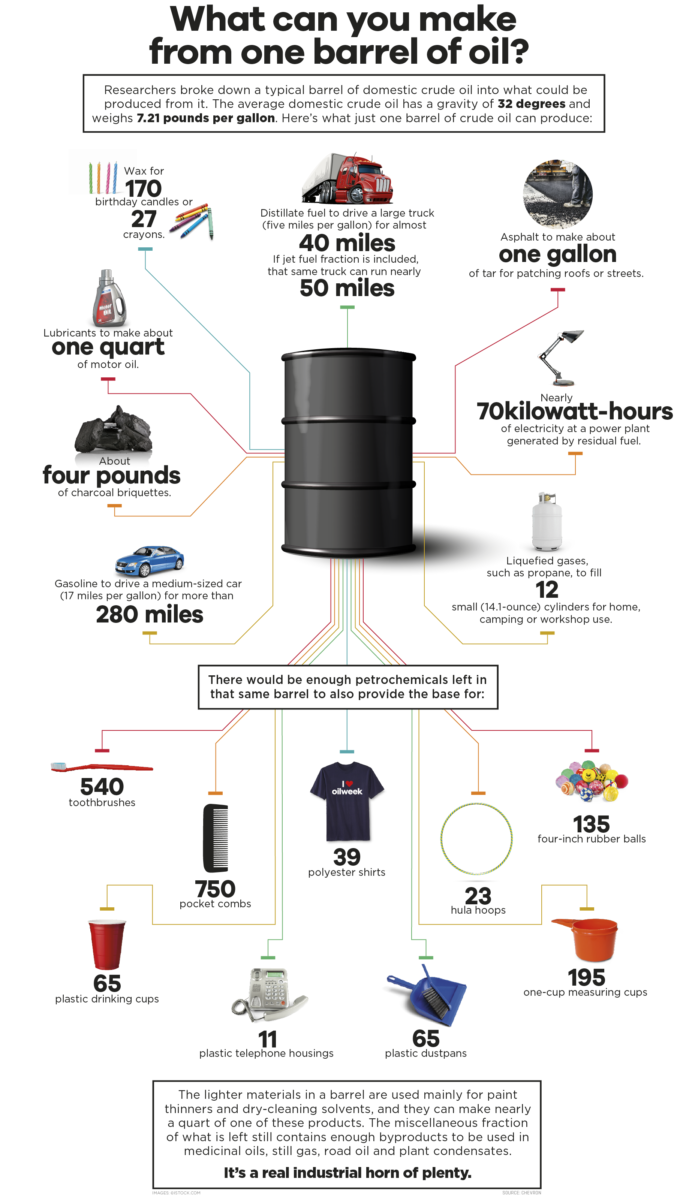
Oil isn't just about fuel; it's a versatile powerhouse that underpins our entire society. Think about it: that barrel doesn't just power your commute; it helps heat your home, pave your roads, and even produces the plastics that make up everything from your toothbrush to protective medical equipment. It's the silent enabler of convenience, global trade, and technological advancement. Without it, our world would look drastically different, lacking the mobility, comfort, and sheer volume of goods we've come to expect.
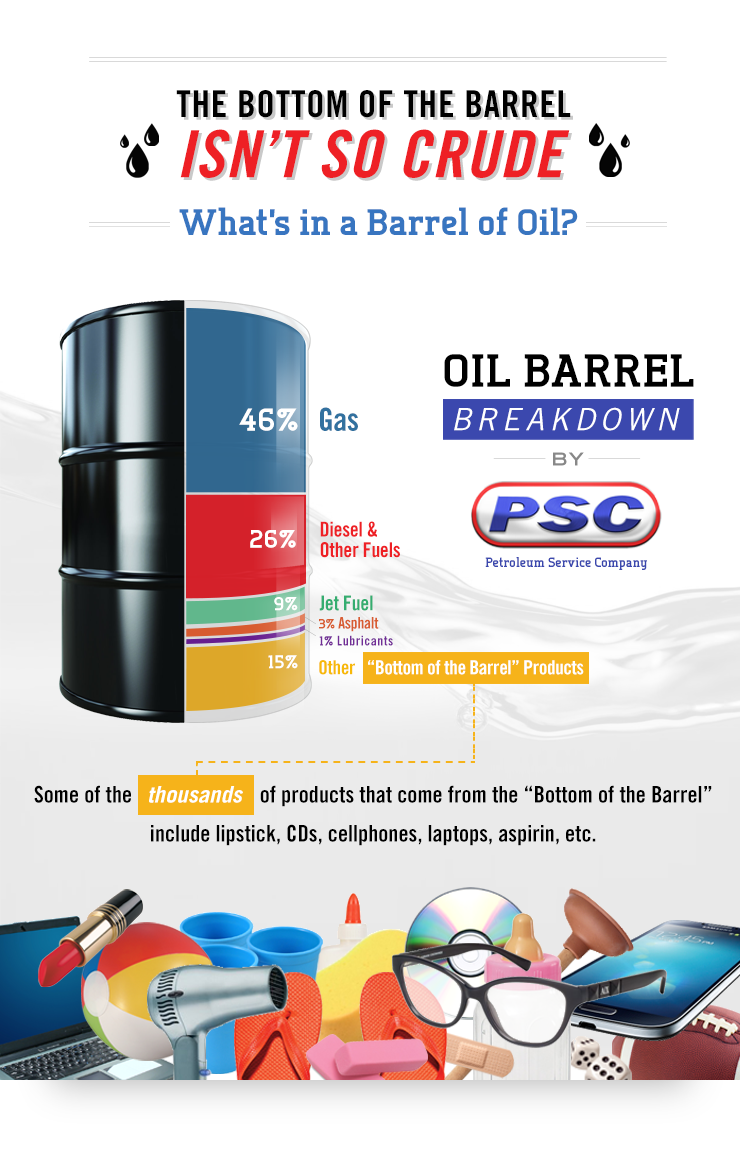
Common examples are everywhere once you start looking. The gasoline filling your tank is the most obvious, but consider the asphalt on the highway, the jet fuel propelling an airplane across continents, or the lubricating oils keeping complex machinery running smoothly. Beyond energy, crude oil is processed into petrochemicals, which are the building blocks for an astounding array of products: synthetic fibers in your clothes, pharmaceuticals, fertilizers, paints, and virtually every plastic item you encounter daily – from packaging to car parts. It's truly a miracle material that has shaped the last century.
Must Read
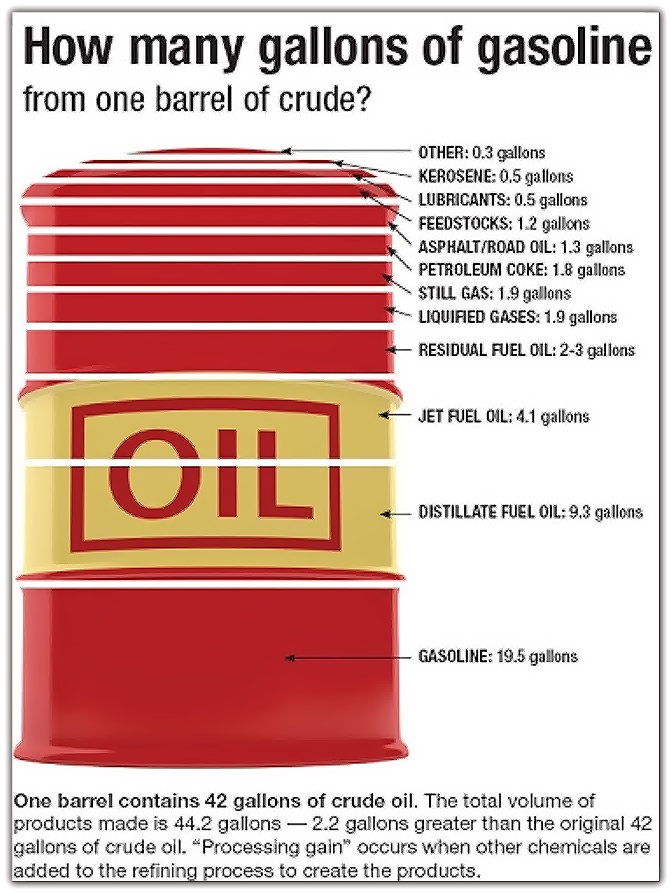
So, let's demystify that elusive "barrel." In the United States, a barrel of crude oil is a standardized unit of volume, and it contains precisely 42 US gallons. Yes, 42! Not a perfect round number like 50 or 100, and there's a fun historical reason for it, dating back to 19th-century Pennsylvania oil fields where 42-gallon whisky barrels were repurposed for oil transport. This standard allows everyone in the industry, from drillers to refiners to economists, to speak the same volumetric language.

Understanding this simple fact can help you appreciate the journey and impact of this resource more effectively. Next time you pull up to the pump, remember that a standard car's tank might hold around 12-16 gallons. That means a single 42-gallon barrel of crude oil yields enough gasoline (typically around 19-20 gallons after refining, along with other products like diesel, jet fuel, and asphalt) to fill your tank more than once, or power a substantial road trip. Picture it: one barrel providing fuel for hundreds of miles, heating a home for days, or becoming the plastic for countless everyday items.
To "enjoy" this topic more deeply, consider the incredible transformation that happens to those 42 gallons. From a gooey, black substance pulled from deep underground, it undergoes complex refining processes to become the clear, volatile gasoline, the dense asphalt, or the myriad of chemicals that are then synthesized into consumer goods. It's a testament to human ingenuity. By understanding the scale and impact of that single 42-gallon barrel, you gain a richer appreciation for the intricate dance between natural resources, technology, and our modern way of life. It’s a powerful reminder of how deeply connected we are to the raw materials that fuel our world.