How Many Gallons Of Gas From Barrel Of Oil

Ever stood at the gas pump, watching the numbers tick higher, and found yourself wondering, "Where does all this magic liquid actually come from?" It's not just an oil well, of course. There’s a whole fascinating journey from deep beneath the earth to your vehicle's tank. One of the most common, yet surprisingly complex, questions people ponder is: How many gallons of gas can we actually squeeze out of a single barrel of oil? It's a super curious question that unveils a lot about our energy infrastructure and how the world works!
Understanding this conversion isn't just a fun piece of trivia; it’s a key insight into our modern world. The main purpose of diving into this topic is to demystify where our primary transportation fuel originates and the intricate process involved. It helps us appreciate that a barrel of crude oil isn't just raw gasoline waiting to be poured. Instead, it’s a complex cocktail of hydrocarbons that undergoes a sophisticated refining process. Knowing this helps us grasp energy economics, environmental considerations, and the sheer scale of the global oil industry. It empowers us to be more informed consumers and citizens when discussing energy policy, fuel prices, or sustainable alternatives.
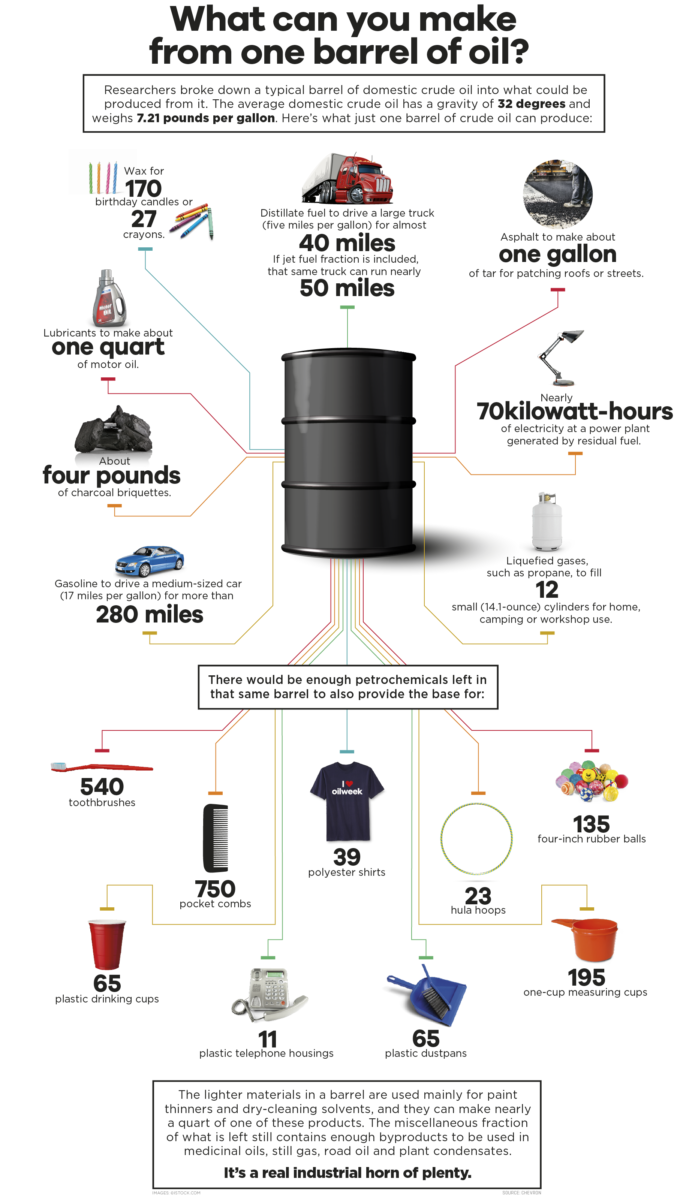
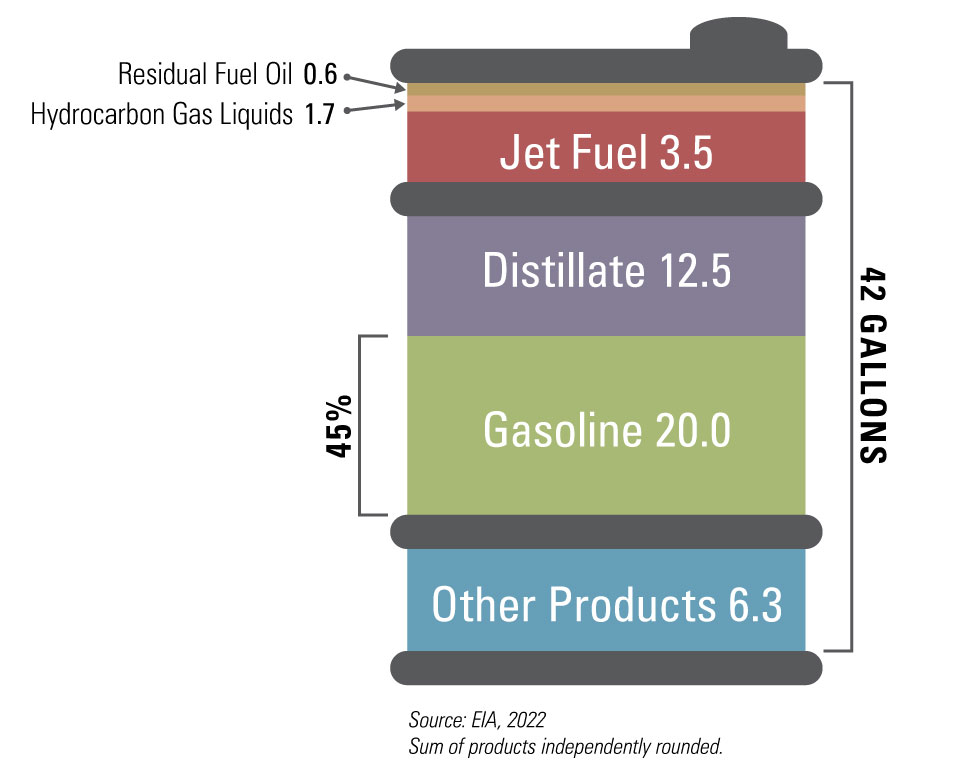
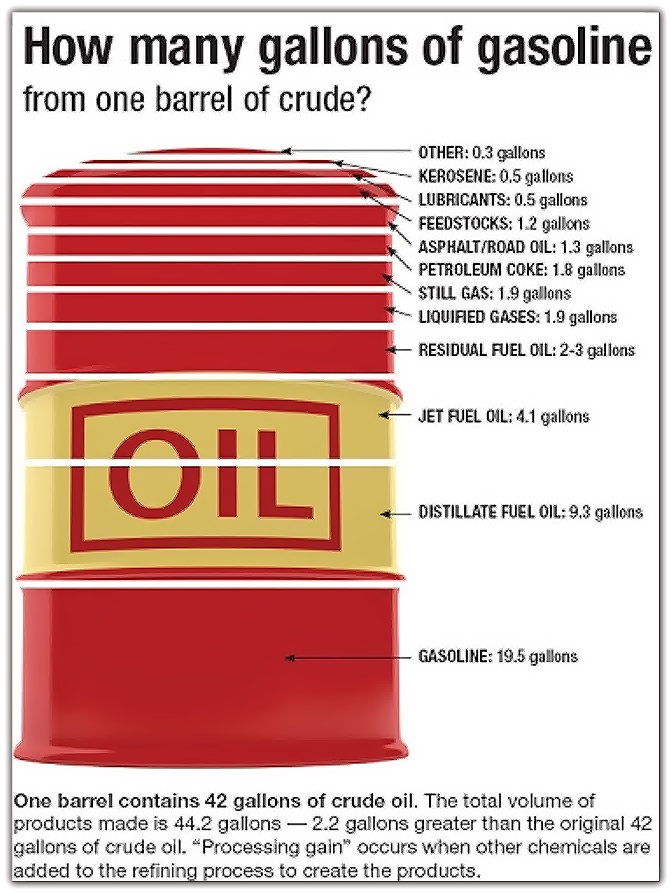
So, what's the scoop? Well, it's not a simple one-to-one conversion, as a barrel of crude oil contains 42 U.S. gallons. When that crude oil is refined, it's broken down into many different petroleum products. For every 42-gallon barrel of crude oil, refineries typically produce about 19 to 20 gallons of finished gasoline. But wait, there's more! That same barrel also yields diesel fuel, jet fuel, heating oil, lubricants, asphalt, and even ingredients for plastics and medicines. This concept is incredibly useful in various aspects of life. In education, it serves as an excellent case study in high school chemistry or physics classes when discussing petroleum fractions or energy transformations. Economics students can use it to understand supply chains, market dynamics, and the impact of crude oil prices on consumer goods. Even in daily life, when you hear news reports about oil production quotas or fuel price fluctuations, knowing this ratio gives you a much clearer picture of the underlying forces at play.
Must Read
Want to explore this fascinating topic further? It’s surprisingly easy and fun! A great starting point is the U.S. Energy Information Administration (EIA) website. They have fantastic, easy-to-understand diagrams and data showing the "yield" of various products from a barrel of crude oil. Just search for "EIA what comes from a barrel of oil." You could also try looking up "oil refinery process flow charts" to visualize the journey from crude to gasoline and beyond. Another simple way is to strike up a conversation with friends or family. "Hey, did you know how much gas actually comes from a barrel of oil?" It’s a great way to spark curiosity and share knowledge. Understanding the journey of that black gold really helps us appreciate the complexity and innovation behind the energy that powers our world!