How Many Cups Are In 120 Grams

Okay, picture this: I'm elbow-deep in a baking project, flour dusting my eyelashes like freshly fallen snow (a very uneven snow, might I add). The recipe calls for 120 grams of flour. Sounds straightforward, right? Wrong. My measuring cups are staring back at me, all innocent and clean. No gram measurements in sight. Cue mild panic. "Seriously," I mutter to the kitchen cabinets, "why can't everything just be in the same units?!"
This, my friends, is a tale as old as time (or at least as old as the invention of both measuring cups and kitchen scales). It perfectly illustrates the age-old question: How many cups are in 120 grams? And more importantly, why is the answer so darn… complicated?
Well, let's dive in, shall we? Because understanding this conversion is surprisingly useful, not just for flour-dusted baking mishaps, but for so many other cooking and baking adventures.
Must Read
The Short Answer (and Why It's Not Always Right)
Alright, for a quick and dirty answer: 120 grams is approximately equal to 1 cup. Boom. Done. Go forth and bake!
But wait! Hold your horses (or your mixing bowls). This isn't always true. Why? Because it depends on what you're measuring. We're talking about density here. Density is basically how much "stuff" is packed into a certain volume. A cup of feathers weighs a lot less than a cup of lead, right? (Please don't try to measure lead with your measuring cups. Safety first, folks!).
So, that 1 cup = 120 grams rule of thumb generally applies to things like all-purpose flour. But if you're dealing with something else, you're going to need a different conversion.
Diving Deeper: Density Matters!
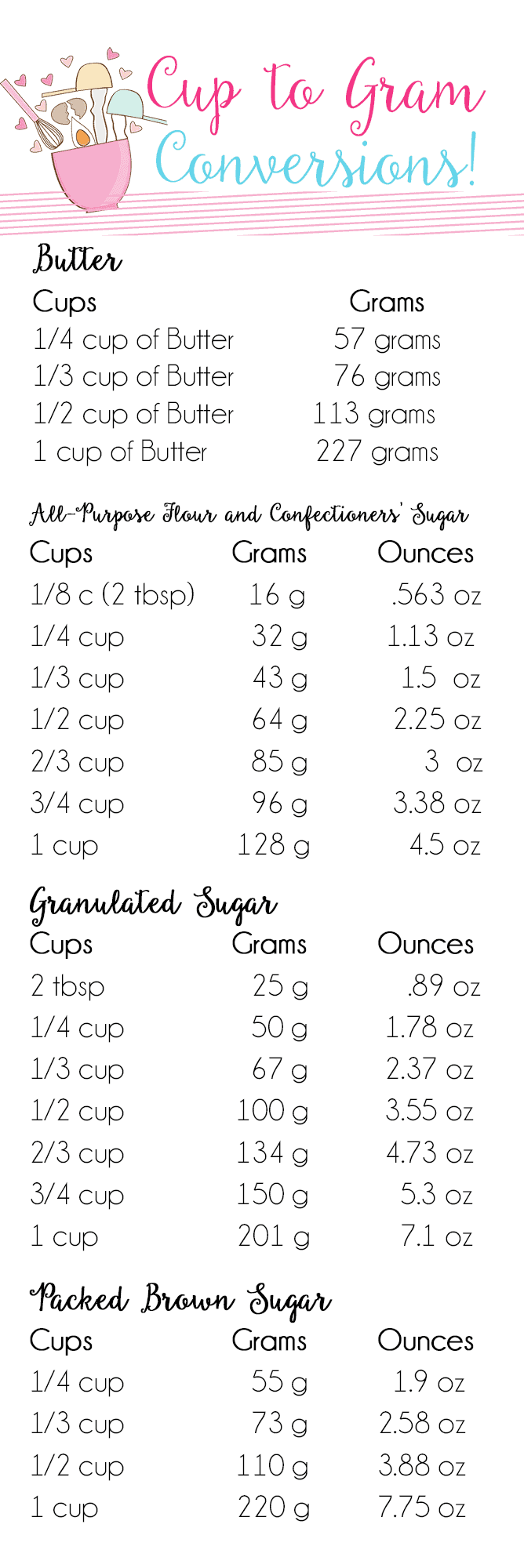
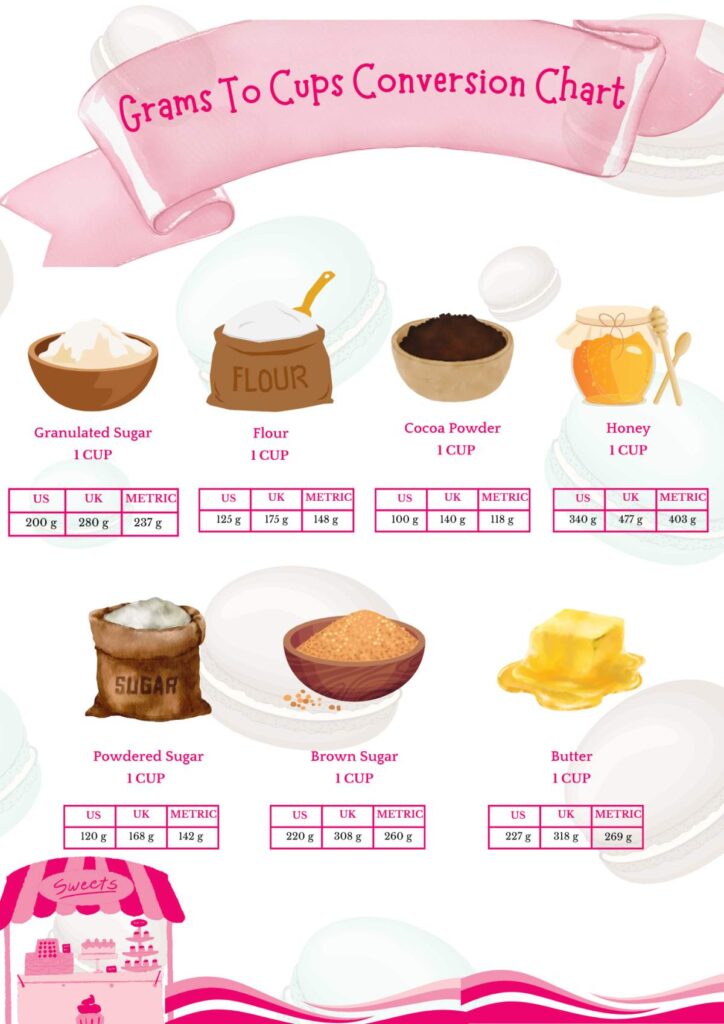
Let's break it down further. Here are some approximate conversions for different ingredients, remembering that these are just estimates and can vary slightly depending on how finely ground or tightly packed the ingredient is:
- All-Purpose Flour: 120 grams ≈ 1 cup (This is our starting point!)
- Sugar (Granulated): 200 grams ≈ 1 cup (See? A big difference!)
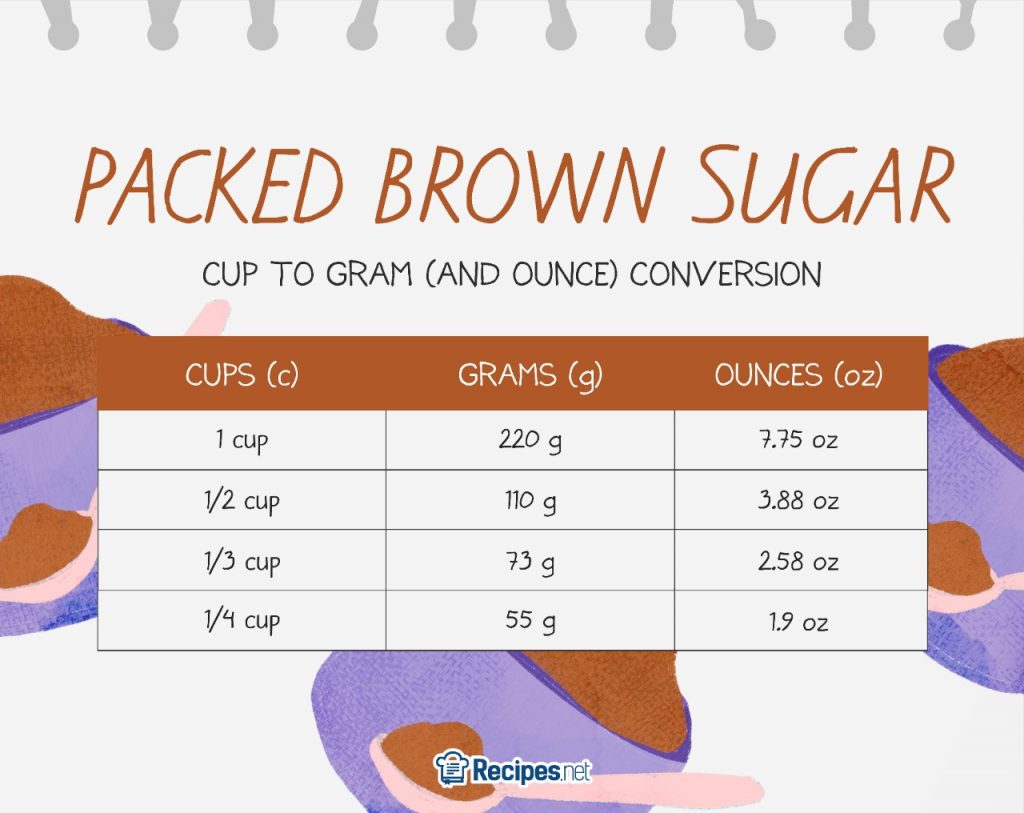
- Brown Sugar (Packed): 220 grams ≈ 1 cup (Even heavier!)
- Oats (Rolled): 85 grams ≈ 1 cup (Much lighter!)
- Water: 240 grams ≈ 1 cup (Water is generally measured in volume, but it's helpful to know for conversions)
See how drastically different the weights are for a single cup? This is why blindly following the "1 cup = 120 grams" rule for everything can lead to baking disasters. I've been there, trust me. Nobody wants a brick-like cake.
The Best Way to Measure: Kitchen Scale to the Rescue!
Honestly, the most accurate way to convert grams to cups (or vice-versa) is to use a kitchen scale. I know, I know, it's another gadget to buy. But hear me out! A kitchen scale is a total game-changer for baking and cooking. It provides much more precise measurements than relying on cups, which can be easily over- or under-filled.
If you’re serious about getting your recipes right – and avoiding flour-dusted meltdowns like mine – invest in a decent kitchen scale. You won't regret it. (And you can finally settle those "how many cups in a gram" arguments with your friends once and for all!)
Okay, I Don't Have a Scale. Now What?
Alright, alright. I get it. Maybe you're baking on a budget or just don't have room for another kitchen appliance. In that case, here are a few tips for estimating cups from grams:
- Consult a Conversion Chart: There are tons of helpful charts online that list gram-to-cup conversions for various ingredients. Google is your friend!
- Use a Measuring Spoons Set: If you need a smaller amount, use your measuring spoons. Remember that 1 tablespoon is approximately 15 grams of all-purpose flour.
- Be Mindful of Packing: When measuring ingredients like brown sugar, make sure you pack it firmly into the cup. For flour, avoid packing it down unless the recipe specifically instructs you to.
Ultimately, remember that baking is a science, but it's also an art. Don't be afraid to experiment and adjust as needed. And if all else fails, just blame it on the recipe!
So, back to my baking project… Armed with this newfound knowledge (and maybe a quick Google search for a conversion chart, just to be safe), I can confidently measure out my flour and get back to creating something delicious. Now, if only I could figure out how to dust my eyelashes evenly…